I never understood the appeal of breakfast nooks until I created one in a corner of my kitchen. Now it’s genuinely my favorite spot in the apartment. I have my coffee there every morning, work from there during the day, and honestly just sit there reading even when I’m not eating.
A breakfast nook is more than just a place to eat. It’s a cozy corner that makes your home feel more intentional and lived-in. And the best part? You don’t need a designated built-in nook to create one. You just need a corner, some creativity, and a vision.
Let me show you how to create a breakfast nook that actually gets used.
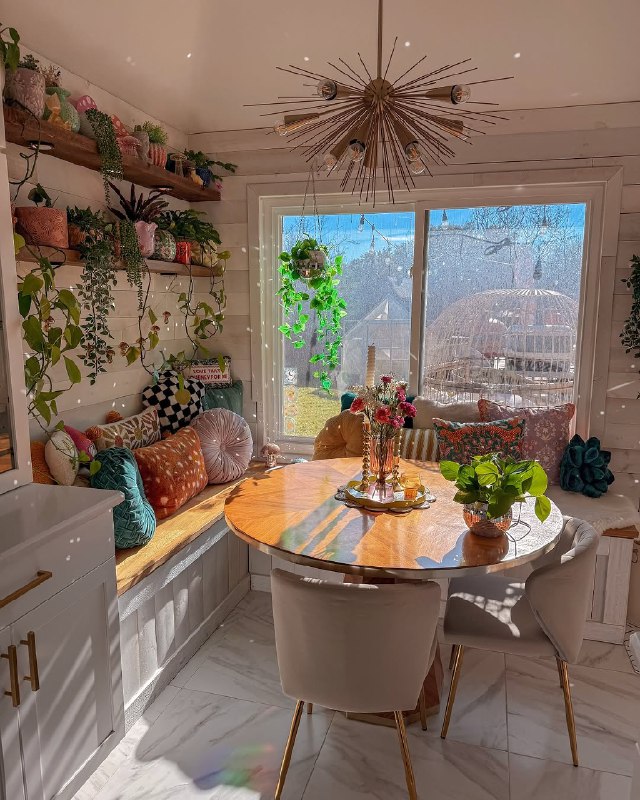
Why Breakfast Nooks Work
They create an intimate eating space that’s more casual than a formal dining table. Morning coffee in a cozy nook just hits different than sitting at a big dining table. They maximize awkward corners or small spaces that might otherwise go unused. They add character and charm to kitchens or dining areas.
A breakfast nook becomes a destination within your home. It’s the spot for morning coffee, afternoon reading, working from home, or casual meals. Having a designated cozy corner makes your space feel more complete and functional.
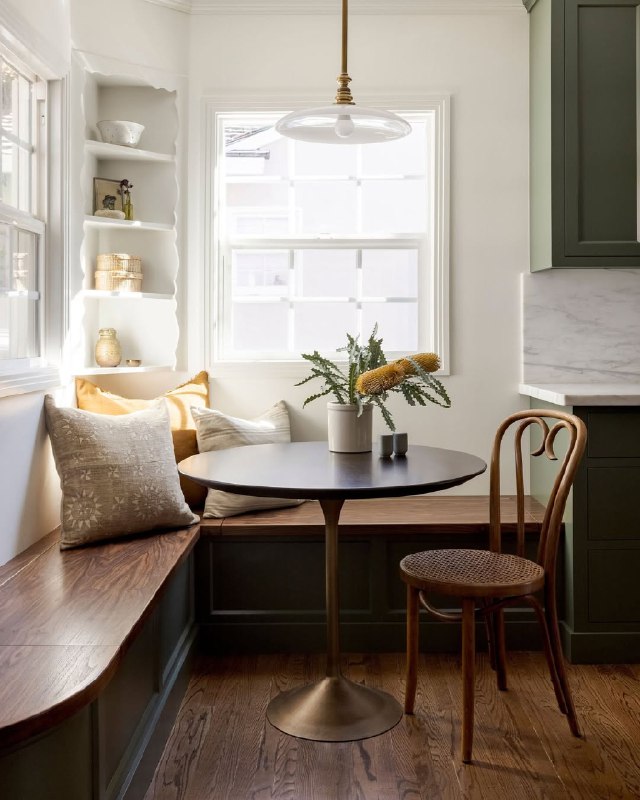
Finding Your Nook Space
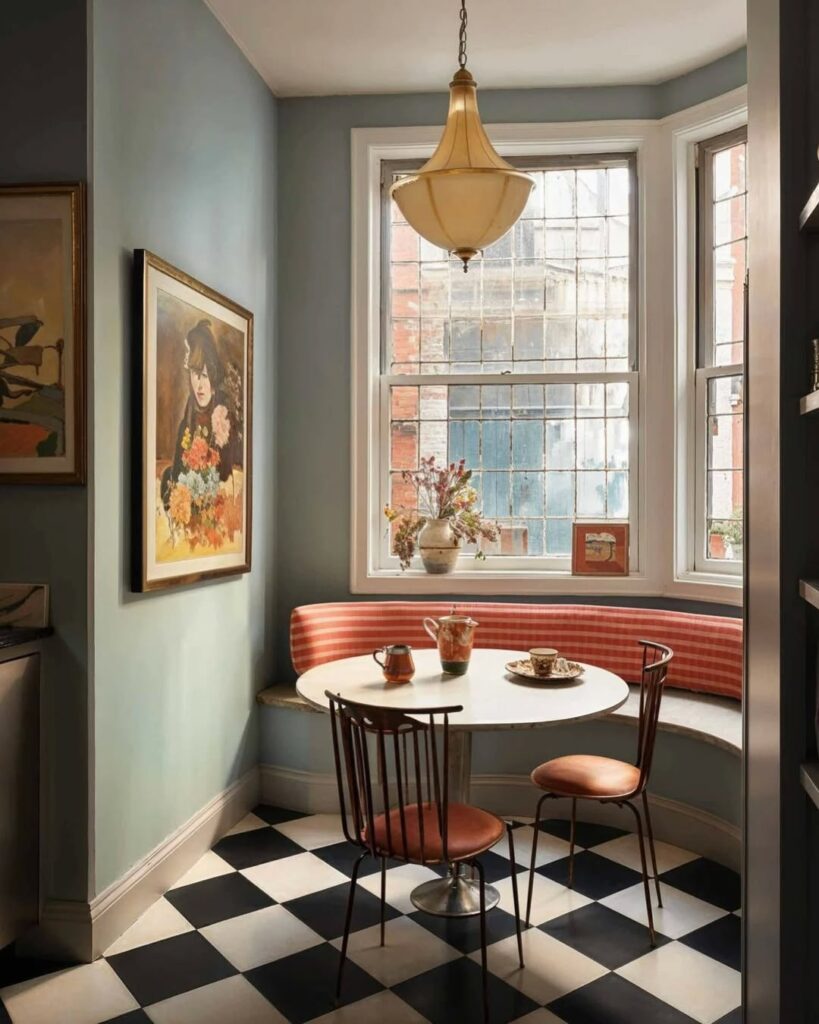
Bay windows or window alcoves are the dream location for a breakfast nook. The natural light is unbeatable and you have a view while you eat. If you have this situation, you’re already winning.
Kitchen corners that aren’t being used effectively can become nooks. That awkward corner where two walls meet? Perfect for an L-shaped bench situation.
Between kitchen and dining room in that transitional space works beautifully. It defines the area while keeping the flow open.
End of a galley kitchen if you have a few feet of space at the end can fit a small table and chairs or a bench.
Unused dining room corners transform formal spaces into something more casual and usable for everyday life.
Creating a nook from nothing is possible even without an obvious spot. Define an area with a rug, push a small table against a wall, add seating, and call it your nook. The intentionality makes it a destination.
My breakfast nook is just a corner of my kitchen near a window. Nothing built-in, nothing fancy. But styling it as a nook transformed it from wasted space into my favorite spot.

Seating Options
Built-in banquette seating is the classic breakfast nook setup. L-shaped benches built into the corner with storage underneath maximize space and seating while looking custom and intentional. This requires more commitment and usually professional installation, but it’s stunning when done right.
Freestanding bench with a table creates a nook vibe without permanent construction. Push a bench against the wall, add a small table, and include chairs on the other side. You get the cozy bench feeling with more flexibility.
Breakfast table with chairs works if benches aren’t your thing. A small round or square table with 2-4 chairs creates a defined eating area. Add cushions to chairs for comfort and style.
Window seat conversion if you have an existing window seat can become breakfast nook seating. Add a small table in front and you have an instant cozy nook.
Banquette bench on one side, chairs on the other gives you the best of both worlds. The bench side feels cozy and seats more people, while chairs provide easier access.
I went with a simple wooden bench against the wall with cushions, a small round table, and two chairs on the opposite side. It seats four comfortably and the bench can squeeze in a fifth person if needed.
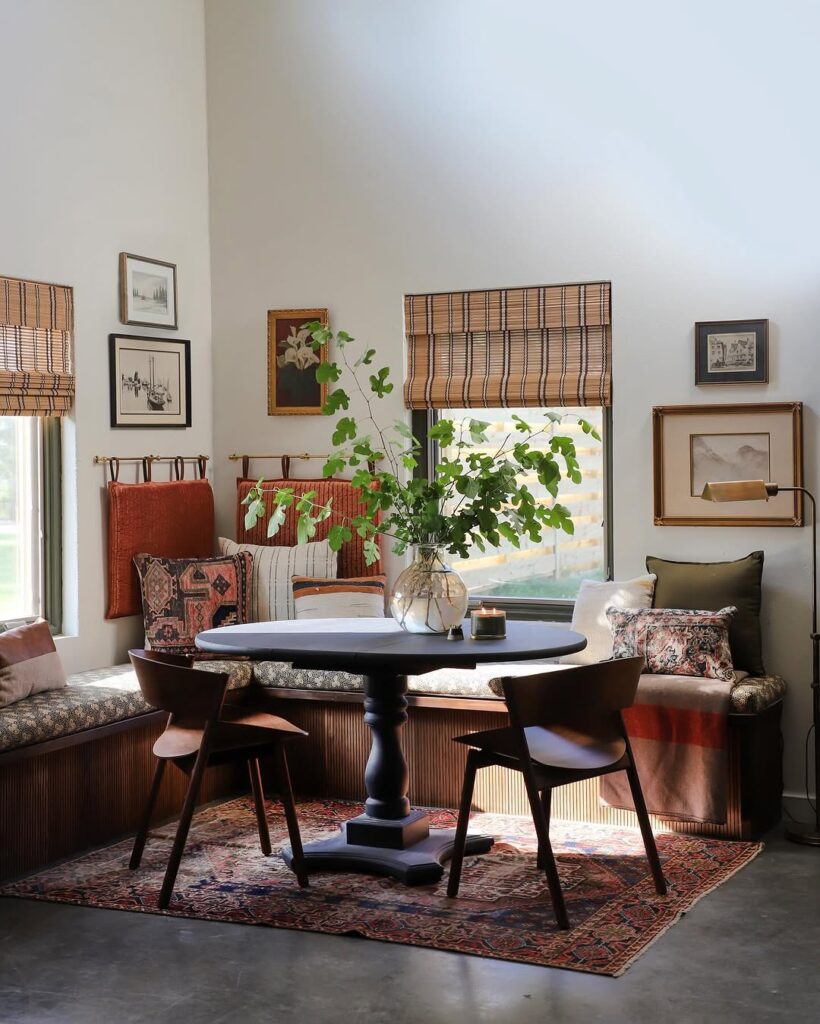
Table Choices
Round tables feel more intimate and conversational. They work well in small spaces because there are no corners to navigate around. A 36-42 inch round table fits most breakfast nooks perfectly.
Small rectangular or square tables maximize seating along walls if you’re doing bench seating on one or two sides. A 36×36 inch square table is cozy for two, a 42×42 inch square seats four comfortably.
Drop-leaf or extendable tables give you flexibility. Keep it small for daily use, extend it when you need more space. This is smart for really small spaces.
Pedestal base tables are better than four legs if you’re using benches. They give you more legroom and don’t interfere with seating.
Height matters more than you’d think. Standard dining height (30 inches) works for most seating, but if you’re using counter-height benches or stools, you need a counter-height table (36 inches).

Making It Cozy
This is where a table and chairs becomes an actual nook.
Cushions on bench seating are essential for comfort and add color and pattern. Make them thick enough to actually be comfortable—at least 3 inches. I have a long bench cushion in a blue and white pattern with coordinating throw pillows.
Throw pillows on benches or chairs add comfort and style. Mix patterns and textures but keep the color palette cohesive. Two to four pillows on a bench creates that cozy layered look.
Lighting makes all the difference. A pendant light centered over the table defines the space and provides focused lighting. If you can’t install overhead lighting, a table lamp on a nearby surface works. String lights around the window or along the wall add ambient magic.
Window treatments soften the space if your nook is by a window. Cafe curtains, roman shades, or simple linen curtains add texture without blocking light. I have white linen curtains that I can pull closed for privacy but usually leave open for light.
A rug under the table defines the nook area and adds warmth. Make sure it’s large enough that chairs don’t fall off when pulled out. An easy-to-clean material is smart for a dining area.
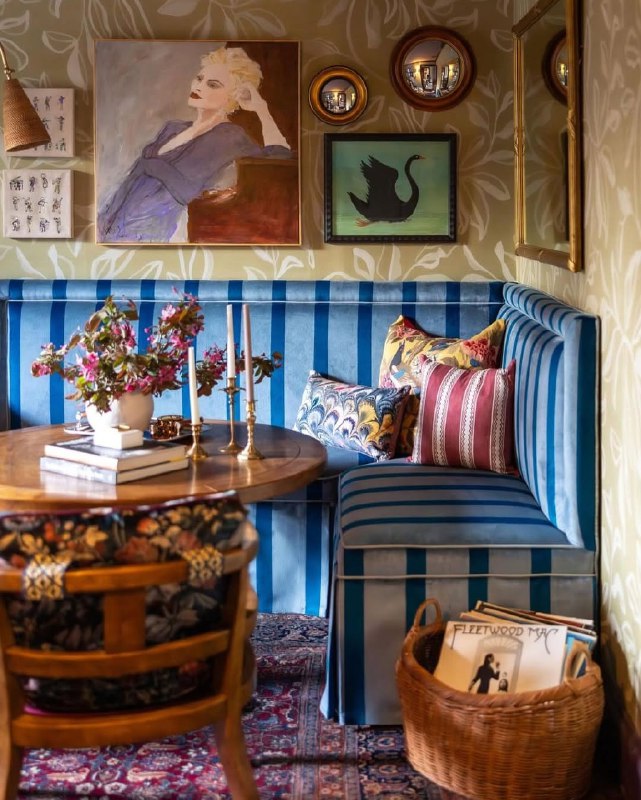
Style and Decor
Farmhouse cozy features white or natural wood furniture, gingham or check patterns, simple white dishes displayed, fresh flowers or herbs in mason jars, and warm, casual comfort.
Modern minimal goes for clean lines, neutral colors, simple lighting, minimal decor, and functional beauty without clutter.
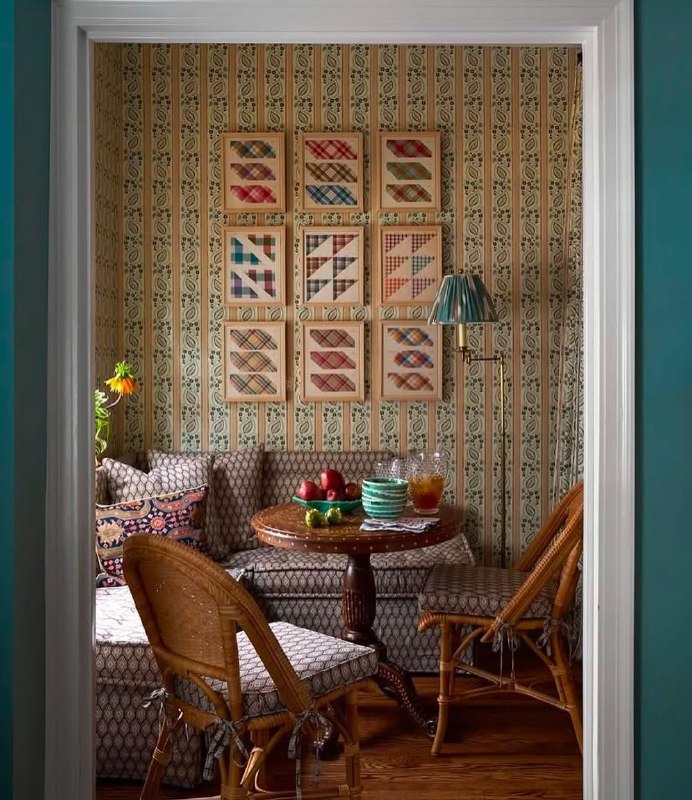
Bohemian comfortable embraces colorful textiles and cushions, plants on or near the table, mixed patterns, natural materials, and eclectic collected pieces.
Coastal fresh includes light colors and natural textures, blue and white patterns, striped cushions, nautical touches, and an airy, bright feeling.
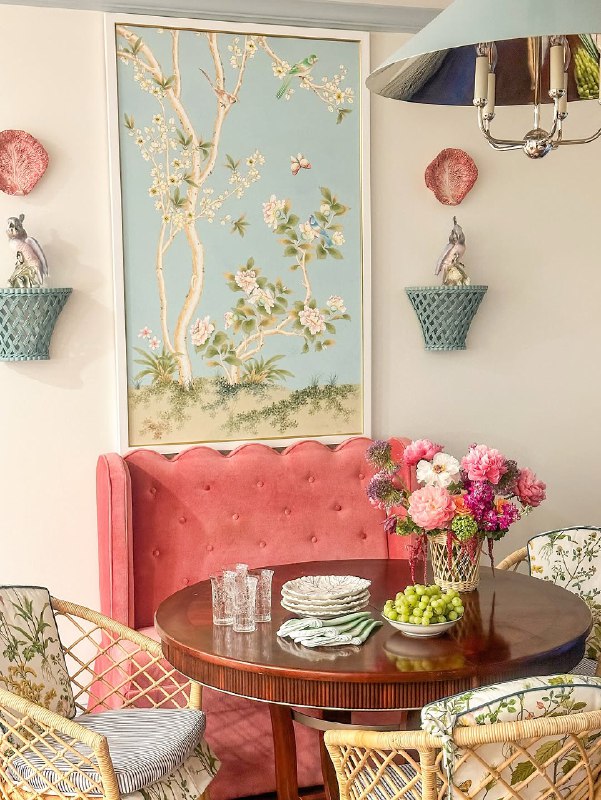
Traditional elegant features upholstered bench seating, classic table and chairs, coordinated fabrics, elegant lighting like a chandelier, and polished refined details.
Pick a style that matches the rest of your home so the nook feels integrated rather than random.
Wall Decor and Finishing Touches
Art or prints on the wall behind the nook create a focal point. A large piece centered above the bench or a small gallery wall both work. Keep it at a height where people won’t hit their heads.
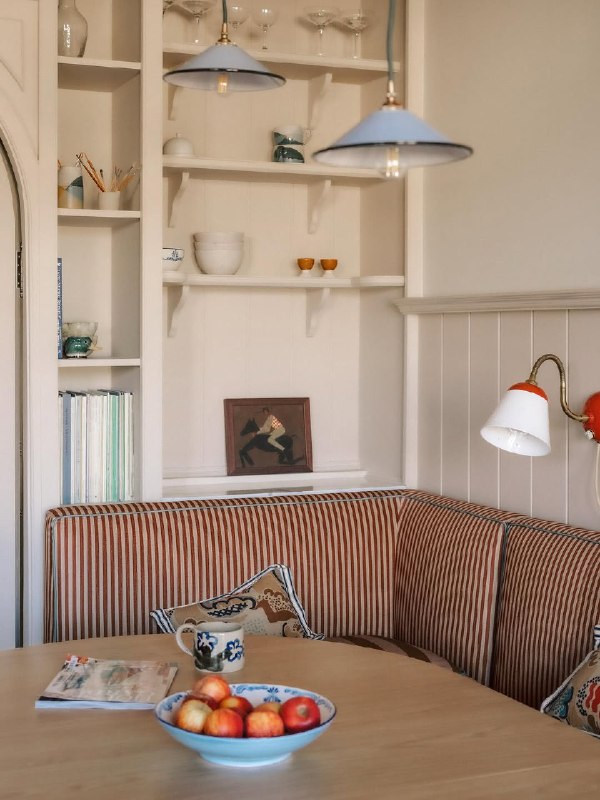
Floating shelves above or beside the nook hold plants, coffee mugs, cookbooks, or decorative objects. They add personality and function without taking floor space.
A small plant on the table or nearby shelf brings life to the space. Fresh herbs in a pot serve double duty as decor and ingredients.
A centerpiece that stays on the table becomes part of the nook’s character. A small vase with fresh flowers, a bowl of fruit, a candle arrangement, or a simple tray with salt and pepper keeps the table styled.
Hooks on the wall for bags, aprons, or dish towels add function and casual charm.
I have a simple print above my bench, a floating shelf with coffee mugs and a plant, and a small vase that always has flowers on my table. Nothing complicated, but these details make it feel finished.
Storage Opportunities
Built-in bench storage is the ultimate space-saver if you’re going the custom route. Lift-up seats or drawers underneath store table linens, placemats, or kitchen items.
Baskets under a freestanding bench corral items while looking intentional. I have two woven baskets under my bench holding table linens and extra napkins.
A small sideboard or console nearby provides storage and serving space. This works if you have room adjacent to your nook.
Wall-mounted storage like shelves or a hanging organizer keeps things accessible without taking up floor space.

Small Space Solutions
Corner benches maximize seating in minimal space. An L-shaped bench in a corner with a small round table creates a nook in just a few square feet.
Banquette against one wall with a narrow table and chairs on the opposite side works in tight spaces. The bench doesn’t need clearance to pull out like chairs do.
Fold-down or wall-mounted table creates a nook that can disappear when not in use. Fold it down for meals, fold it up to reclaim space.
Stools instead of chairs tuck completely under the table and take up less visual space.
Light colors make small nooks feel larger. White or light wood furniture, pale cushions, and bright lighting prevent the space from feeling cramped.
What Actually Makes It Work
A breakfast nook only works if you actually use it. Make it comfortable enough that you want to sit there. Keep it clear of clutter so it’s always ready. Style it nicely so it invites you in. Position it near natural light if possible.
My nook gets used multiple times daily because it’s comfortable, pretty, and convenient. The cushions are actually comfortable, not just decorative. It’s styled enough to make me happy but not so precious that I’m afraid to use it. That balance is key.
Starting Your Breakfast Nook
Measure your space first and be realistic about what fits. Start with the seating and table—these are your foundation. Add cushions and basic comfort elements. Layer in lighting, decor, and personal touches over time.
Don’t feel pressured to do everything at once. I started with just the table and bench, added cushions a month later, found the chairs two months after that, and slowly added the finishing touches over six months. The evolution felt natural and let me figure out what I actually needed.
A breakfast nook doesn’t need to be elaborate or expensive. It just needs to be a cozy spot that invites you to sit down, have your coffee, and start your day in a space that feels intentional and yours.
Now excuse me while I go sit in my breakfast nook with my coffee and pretend I have my life together. The nook sells the illusion beautifully.