Ever been in that position where you’re frantically trying to wrap a weirdly-shaped gift at 11 PM the night before a birthday, and you’re on your third attempt because the tape keeps sticking to itself and the paper is ripping and you’re about to just shove it in a gift bag and call it a day?
Yeah. She’s been there too.
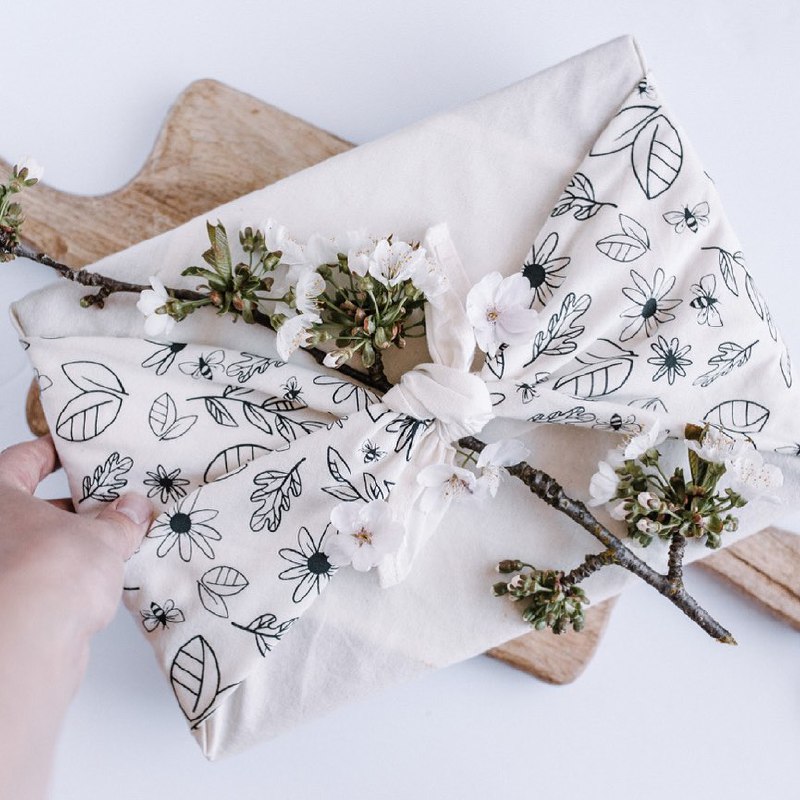
Enter furoshiki – the Japanese art of fabric wrapping that’s about to change your entire gift-giving game. It’s essentially using fabric squares to wrap gifts, and before you think “that sounds complicated,” hear her out: it’s actually way easier than fighting with wrapping paper, it looks absolutely beautiful, and the fabric becomes part of the gift. Win-win-win.
Plus, it’s sustainable, reusable, and makes you look like you have your life together. Even if you definitely don’t.

What Even Is Furoshiki?
Quick history lesson: furoshiki has been used in Japan for centuries to carry and wrap everything from clothes to bento boxes to gifts. The word literally translates to “bath spread” because people originally used these cloths to bundle their clothes at public baths.
Today, it’s having a major moment as people look for more eco-friendly alternatives to single-use wrapping paper. And honestly? It just looks really, really good.
The Basics You Need
Fabric Choices
- Cotton or linen for everyday gifts
- Silk or satin for fancy occasions
- Lightweight scarves you already own
- Vintage handkerchiefs for small items
- Even bandanas work in a pinch
Size Guide
- Small (18-20 inches): jewelry boxes, small books, candles
- Medium (28-30 inches): wine bottles, medium boxes, clothing
- Large (35-45 inches): bigger boxes, multiple items, baskets
You don’t need fancy furoshiki cloths. Literally any square piece of fabric works. Thrift store scarves? Perfect. That random fabric you bought for a project you never started? This is its moment.
Classic Wrap Techniques
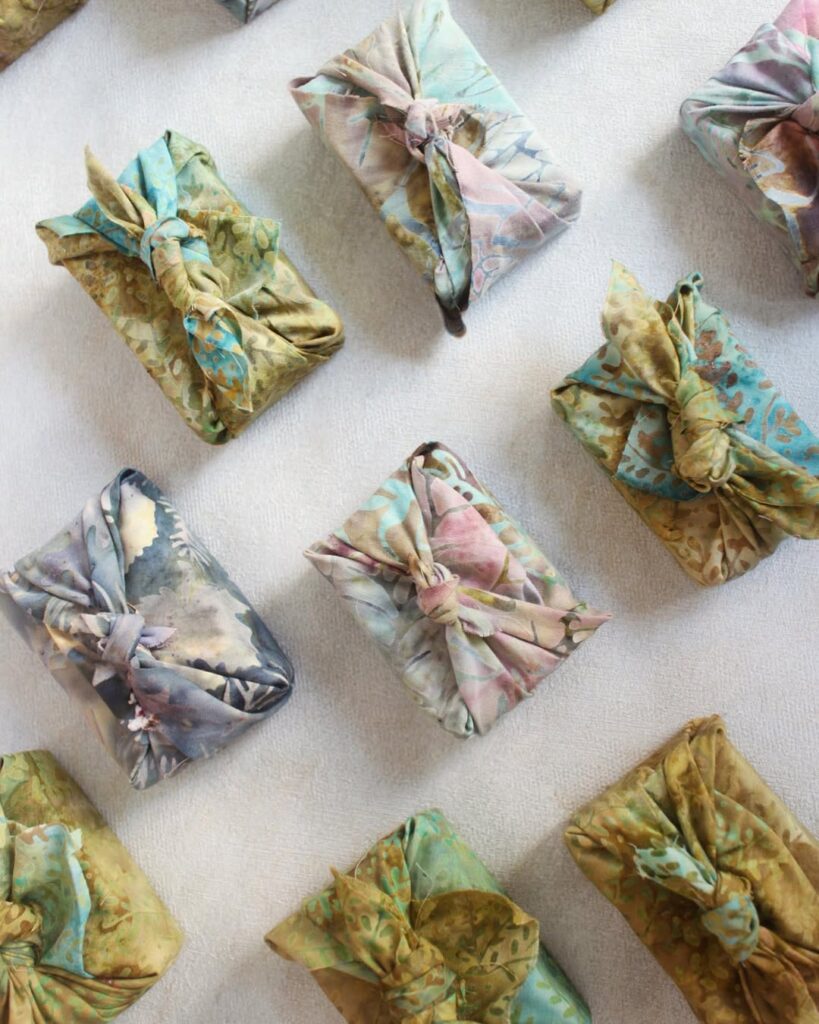
Basic Bundle Wrap The easiest technique ever. Place your gift in the center of the fabric, bring opposite corners up and tie them in a simple knot, then do the same with the other two corners. Done. It takes literally 30 seconds.
Book Wrap Perfect for boxes or books (obviously). Lay the item diagonally on the fabric, fold one corner over, then the sides, then roll and tuck. It looks super clean and minimal.
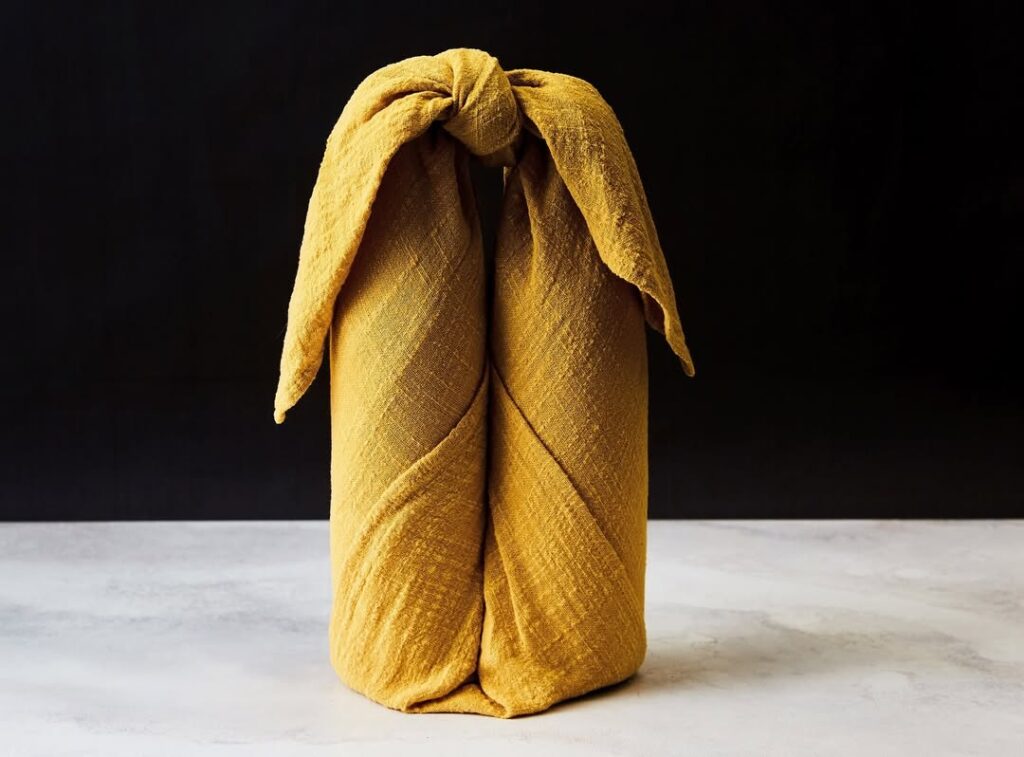
Bottle Wrap For wine, olive oil, or any cylindrical gift. Stand the bottle in the center, bring two opposite corners up and tie at the neck, then wrap the remaining corners around and tie. Instant fancy.
Pleated Wrap This one has a bit more visual interest. You create accordion pleats along one edge before wrapping, giving it this beautiful textured look. Great for when you want to show off a bit.
Creative Wrapping Ideas
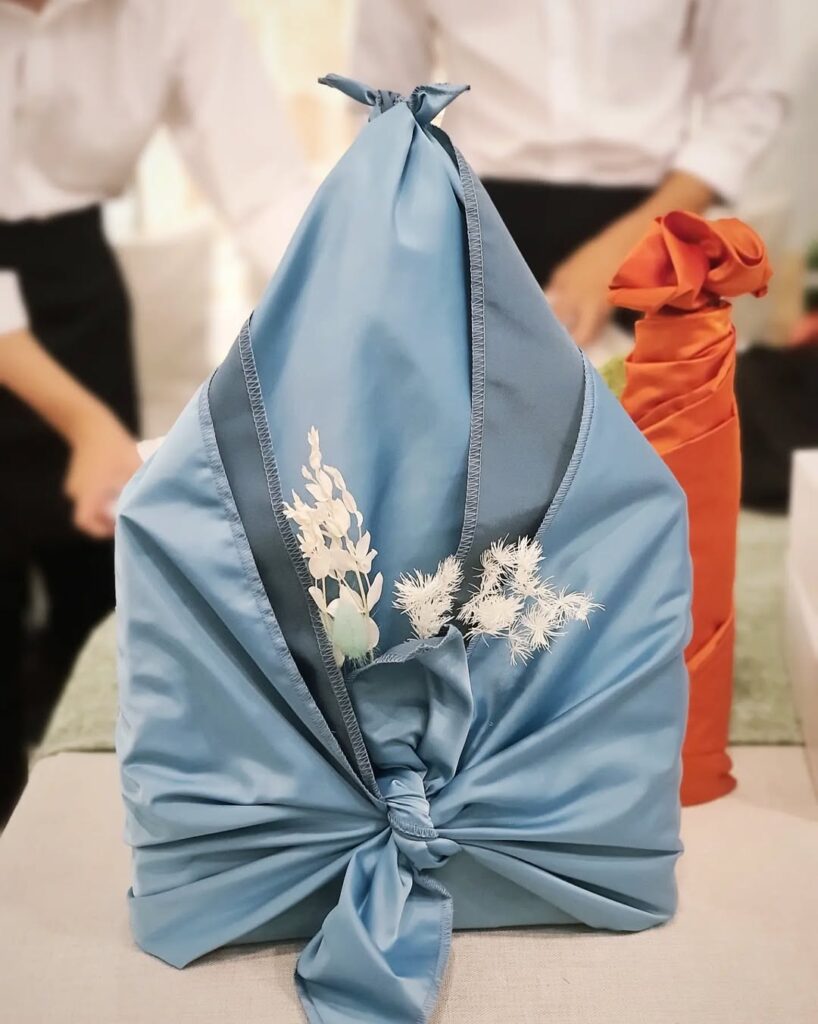
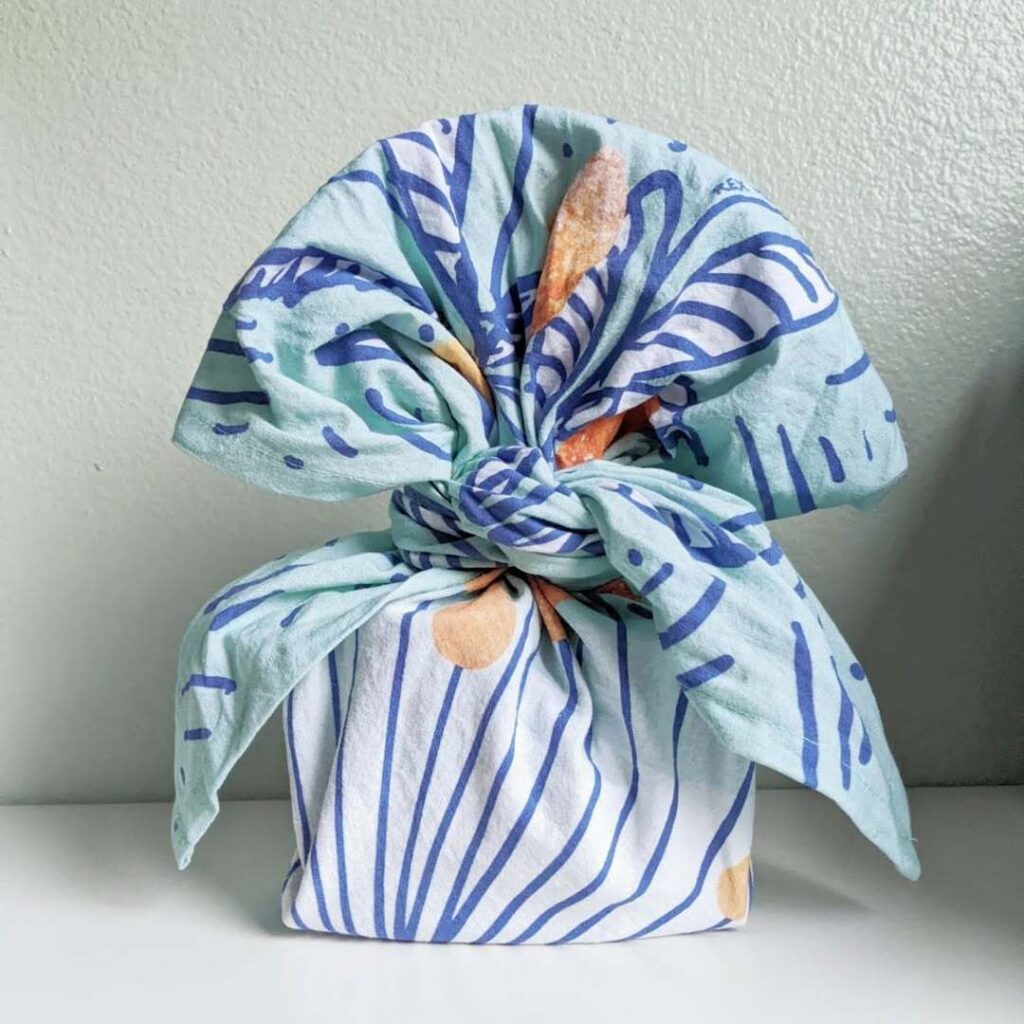
The Handle Wrap Tie the fabric so it creates a little handle on top. Your gift becomes its own gift bag, and it’s adorable. Perfect for hostess gifts or when you’re hand-delivering something.
Layered Look Use two contrasting fabrics – one smaller on top of a larger one. The color combo peeking through looks so intentional and designer.
Corner Flower Instead of just tying knots, twist the corners before tying to create little rosette shapes. It adds this elegant detail without extra effort.
Reversible Reveal Use fabric that’s different on each side. When you tie it, both sides show and create this really cool color-blocking effect.
Themed Wrapping Styles
Minimalist Modern Solid-colored linen in neutrals – think white, gray, beige, or black. Tie with leather cord instead of fabric knots. Very Scandinavian-chic.
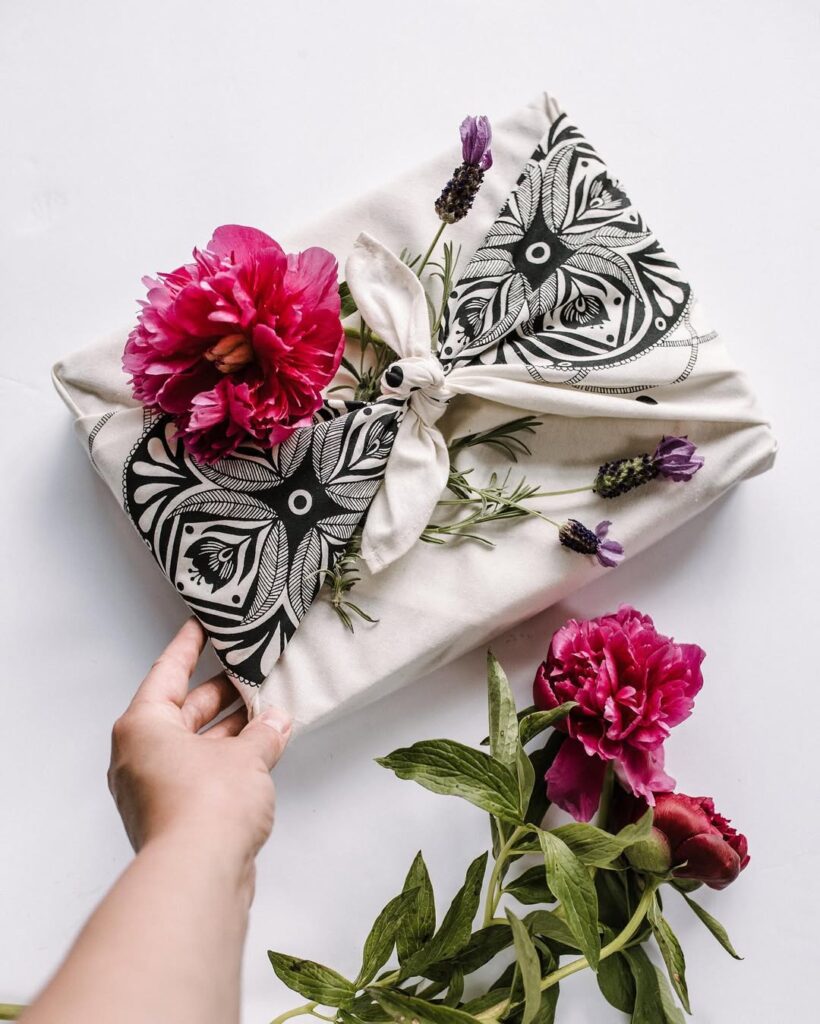
Boho Vibes Vintage scarves with paisley or floral prints. Add dried flowers or a sprig of eucalyptus tucked into the knot. Tie with jute twine.
Japanese Traditional Look for fabrics with traditional Japanese patterns – cherry blossoms, waves, geometric designs. Stick to the classic wrapping techniques for authenticity.
Holiday Festive Red and green plaids for Christmas, pastel florals for Easter, orange and black for Halloween. Furoshiki works for literally any holiday.
Birthday Bright Bold, colorful patterns and prints. The more vibrant, the better. Tie with coordinating ribbon if you want extra pizzazz.
Gift-Specific Techniques
Wine or Bottles The two-bottle wrap is clutch when you’re bringing wine to a dinner party. Use a longer rectangular cloth, place bottles at each end, and twist the fabric between them. So much easier than carrying two separate bottles.
Awkward Shapes This is where furoshiki really shines. Weird plant pot? Bundle wrap. Oddly-shaped sculpture? Wrap it. The fabric conforms to literally any shape, unlike paper that just rips and looks sad.
Multiple Small Items Create little compartments by tying sections of the fabric. It’s like making individual pouches within one wrap. Great for gift sets or multiple small presents.
Fragile Things The fabric provides cushioning that paper doesn’t. Wrap fragile items with a bit of tissue paper first, then use the furoshiki technique. It’s actually protective.
Flat Items For things like framed art or cutting boards, use the envelope fold technique. It creates clean, crisp lines and looks super professional.
Embellishment Ideas
Natural Touches
- Fresh or dried flowers tucked into the knot
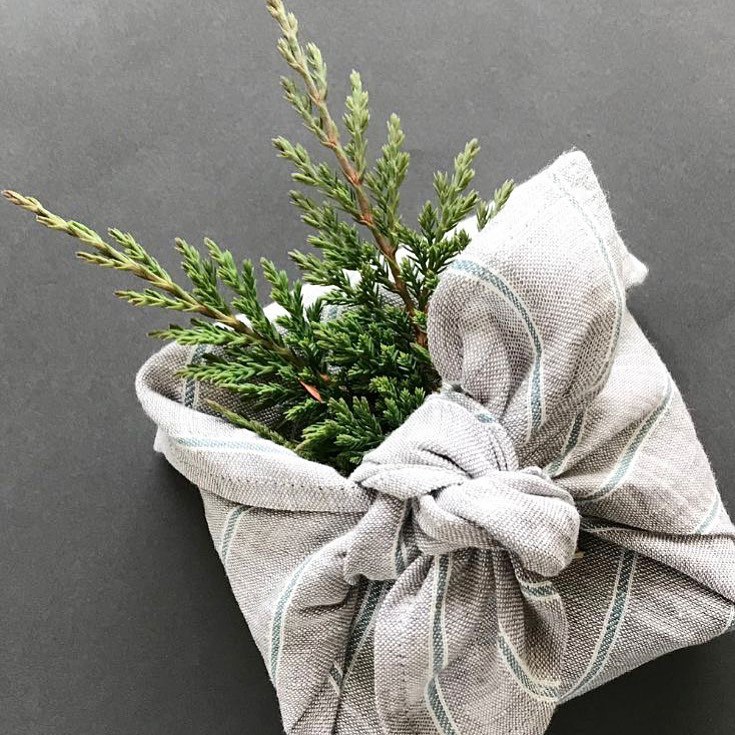
- Sprigs of rosemary, eucalyptus, or pine
- Cinnamon sticks tied with the fabric
- Small pinecones attached with twine
Decorative Extras
- Vintage brooches pinned to the fabric
- Wax seals on a small card attached to the knot
- Bells or small ornaments for holidays
- Ribbon woven through the knots
Personal Tags
- Hand-stamped fabric tags
- Wooden gift tags with calligraphy
- Dried orange slices with names written in marker
- Small polaroid photos attached with string
Seasonal Additions
- Spring: cherry blossom branches, pastel ribbons
- Summer: seashells, bright flowers
- Fall: colorful leaves, acorns, wheat
- Winter: evergreen sprigs, metallic accents
Fabric Pattern Pairings
For Book Lovers Use fabric with text, maps, or vintage book-print patterns. You can find these online or make your own with fabric markers.
For Foodies Kitchen-themed prints, fruit patterns, or fabric in their favorite food’s colors. Wrap a cookbook in fabric with tiny vegetables on it – chef’s kiss.
For Plant Parents Botanical prints, leaf patterns, or even solid green fabrics. Add a real plant cutting as the embellishment.
For Minimalists Solid colors in their favorite shade. No pattern, no fuss, just clean and simple.
For Maximalists Go wild with bold prints, clashing patterns, and all the embellishments. More is more.

Sustainable Gift-Giving
Here’s the thing that makes furoshiki extra special: the wrap becomes part of the gift. You’re not creating waste – you’re giving someone a beautiful cloth they can reuse for:
- Their own gift wrapping
- A scarf or headband
- A wall hanging
- A table accent
- A reusable shopping bag
- Wrapping their lunch
It’s the gift that keeps on giving, literally.
Where to Find Fabric
Thrift Stores Vintage scarves, fabric remnants, old tablecloths you can cut down. So much good stuff for cheap.
Your Own Closet That scarf you never wear? Perfect. Old bandanas? Great. Fabric from a project that never happened? Its time has come.
Fabric Stores Buy a yard or two of fabric you love and cut it into squares. One yard can make multiple wrapping cloths.
Online Etsy has tons of sellers making actual furoshiki cloths in gorgeous patterns. Support small businesses and get beautiful fabric.
Make Your Own If you’re crafty, hem some fabric squares and even add your own designs with fabric paint or stamps.
Quick Tips for Success
Iron it first. Wrinkled fabric doesn’t look nearly as nice. Take the 30 seconds to iron or steam it.
Practice on a box. Before the big event, practice your technique on a similar-sized item. You’ll figure out what works.
Size up when in doubt. Too much fabric is way easier to work with than too little. You can always tie bigger knots.
YouTube is your friend. If you’re visual learner, there are tons of furoshiki tutorials showing you exactly how to fold and tie.
Don’t stress perfection. The beauty of furoshiki is in the handmade, slightly imperfect aesthetic. It’s supposed to look organic.
For Different Occasions
Weddings White, cream, or blush fabrics in silk or satin. Add pearls or lace for extra elegance.
Baby Showers Soft pastels with cute patterns. The fabric can become a baby blanket, burp cloth, or nursery decor.
Housewarming Kitchen towels or cloth napkins work perfectly and are instantly useful in their new home.
Hostess Gifts Use a tea towel or cocktail napkin as the wrap. It’s thematic and practical.
Corporate Gifts Neutral, sophisticated fabrics in solid colors. Keep it professional but thoughtful.
The Real Talk
Is furoshiki slightly more effort than grabbing a gift bag? Sure. But is it infinitely more impressive and environmentally friendly? Absolutely.
Plus, once you get the hang of one or two basic techniques, it’s honestly faster than dealing with wrapping paper. No tape, no scissors, no measuring, no swearing when you cut the paper too short.
And let’s be real – when you show up with a beautifully wrapped gift in fabric that looks like it came from a boutique in Tokyo, people notice. It’s a flex without trying to flex.
The best part? You can wrap literally anything. She’s wrapped wine bottles, books, candles, weird pottery pieces, plants, food items, you name it. The fabric doesn’t judge the shape of your gift.
Have you tried furoshiki wrapping? Or are you a die-hard traditional wrapping paper person?