Grazing tables are having their moment, and I totally understand why. They’re beautiful, abundant, and perfect for parties where people want to mingle rather than sit for a formal meal. But when you look at those Pinterest-perfect spreads, it’s easy to feel overwhelmed.
The good news is that grazing tables are more forgiving than they look. The abundant, casual style means imperfection is part of the charm. Let me show you how to create one that looks impressive without requiring culinary school or a massive budget.

What Makes a Grazing Table Different
Unlike charcuterie boards, grazing tables are large-scale spreads designed for crowds. They’re meant to look abundant and overflowing rather than carefully composed. People serve themselves casually, grazing throughout an event rather than sitting for a meal.
The key is variety, visual appeal, and creating an experience that encourages people to linger and snack.
Choosing Your Surface
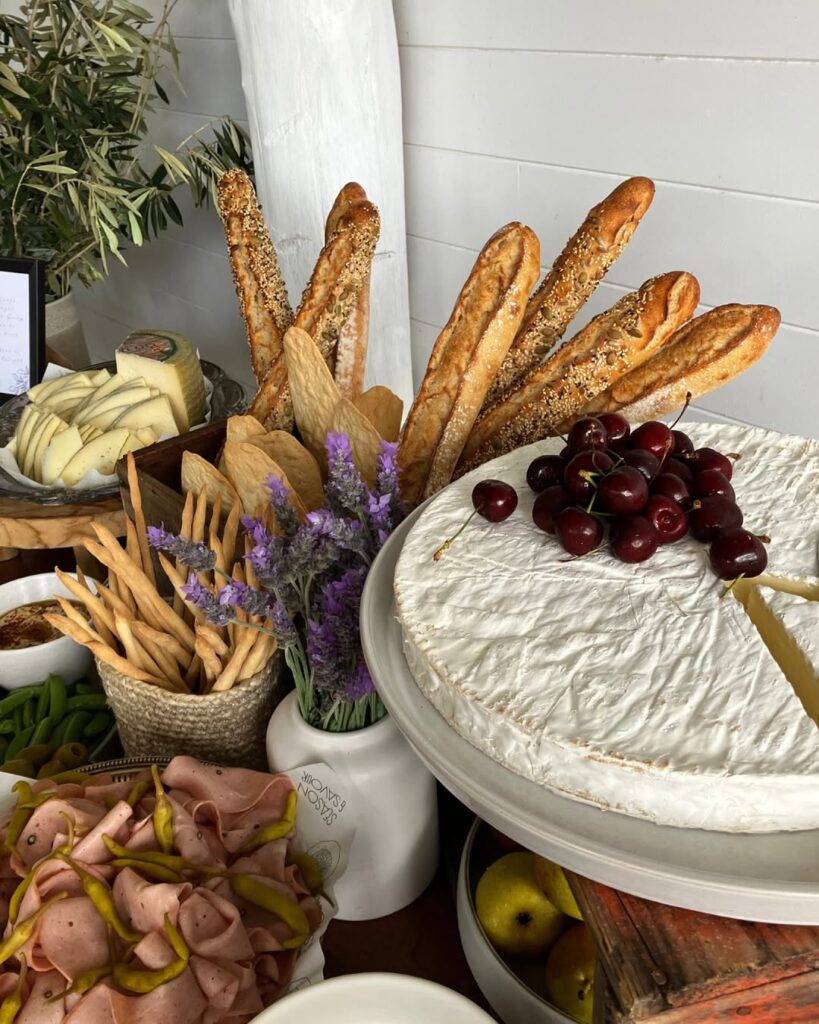
Kitchen island or counter works for casual home gatherings. Dining table covered with butcher paper or a tablecloth creates a designated spread. Folding tables covered attractively handle larger events. Outdoor picnic tables for casual outdoor parties. Multiple cutting boards or serving boards arranged together create a table-like surface.
The surface should be long enough to create visual impact. Four to six feet minimum for the grazing effect.
The Basic Building Blocks
Every grazing table needs variety across these categories.
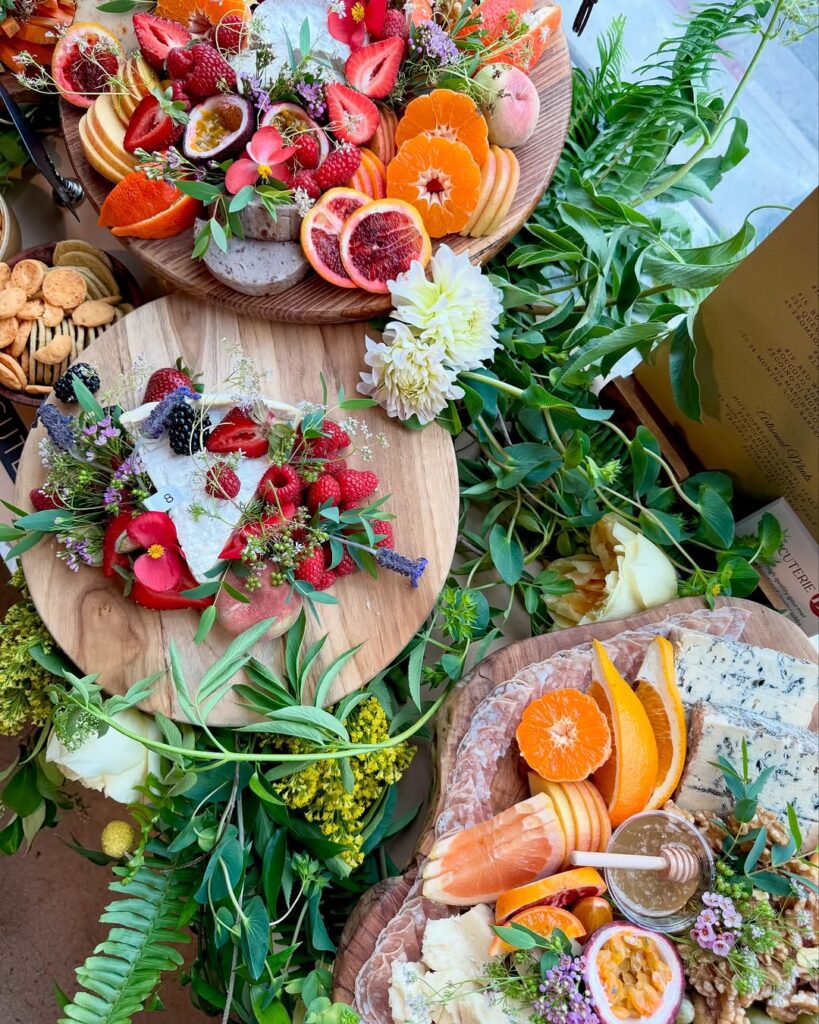
Cheeses in different types and textures. Hard aged cheeses like cheddar and gouda, soft cheeses like brie and camembert, blue cheese for variety, and fresh mozzarella or goat cheese. Cube some, slice some, leave some whole for visual variety.
Cured meats add protein and richness. Prosciutto, salami, pepperoni, soppressata, and coppa arranged in folded piles, rolled tubes, or draped casually.
Crackers and bread provide vehicles for cheese and meat. Variety of crackers in different shapes and flavors, baguette slices, breadsticks, and crostini.
Fresh fruits add color and freshness. Grapes in clusters, berries scattered throughout, sliced apples or pears, figs when in season, and dried fruits for texture variety.
Vegetables lighten the richness. Cherry tomatoes, cucumber slices, carrots, bell peppers, and olives in various types.
Nuts fill gaps and add crunch. Almonds, cashews, walnuts, and candied or spiced nuts for special touch.
Extras complete the experience. Honey in a small dish with a dipper, jam or preserves, pickles and pickled vegetables, and chocolate or sweet treats.
You don’t need everything, but hitting most categories creates satisfying variety.
Assembly Strategy
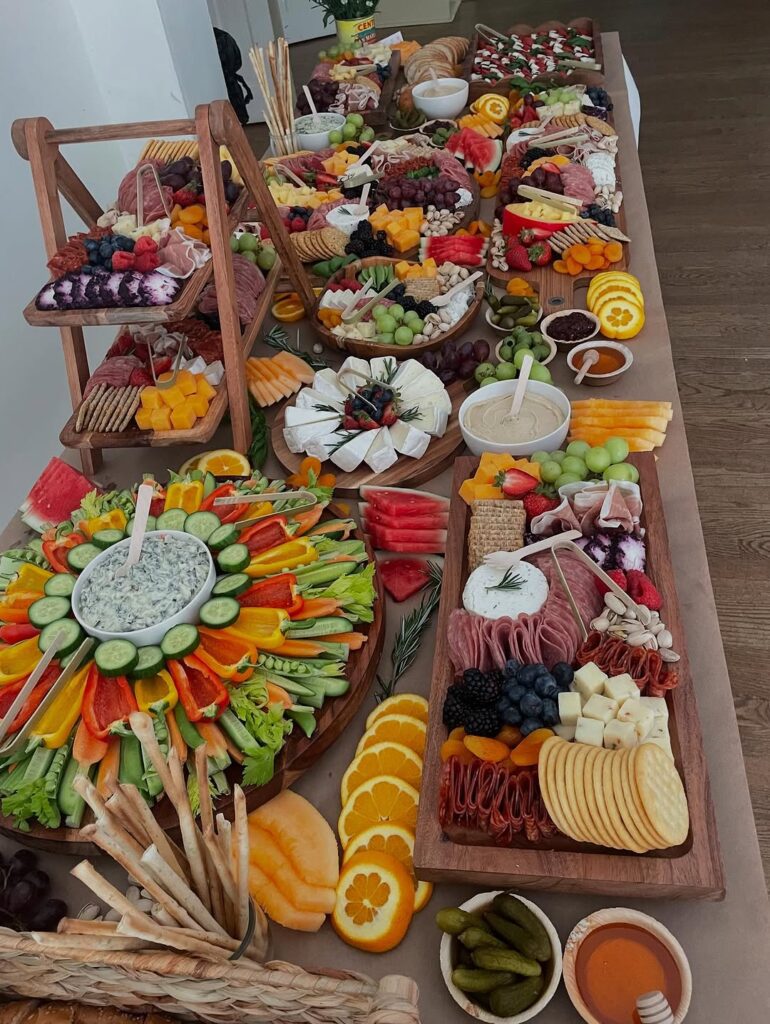
Start with your largest items like cheese wheels and bowls of dips or olives. These anchor the table. Add your meats in various spots, creating visual interest through the placement. Fill in with crackers and bread throughout, making them easily accessible. Scatter fruits and vegetables in the remaining spaces. Fill gaps with nuts, dried fruits, and small items. Add fresh herbs like rosemary or thyme for color and fragrance.
The goal is abundant, overflowing appearance with no table showing through.
Color and Visual Appeal
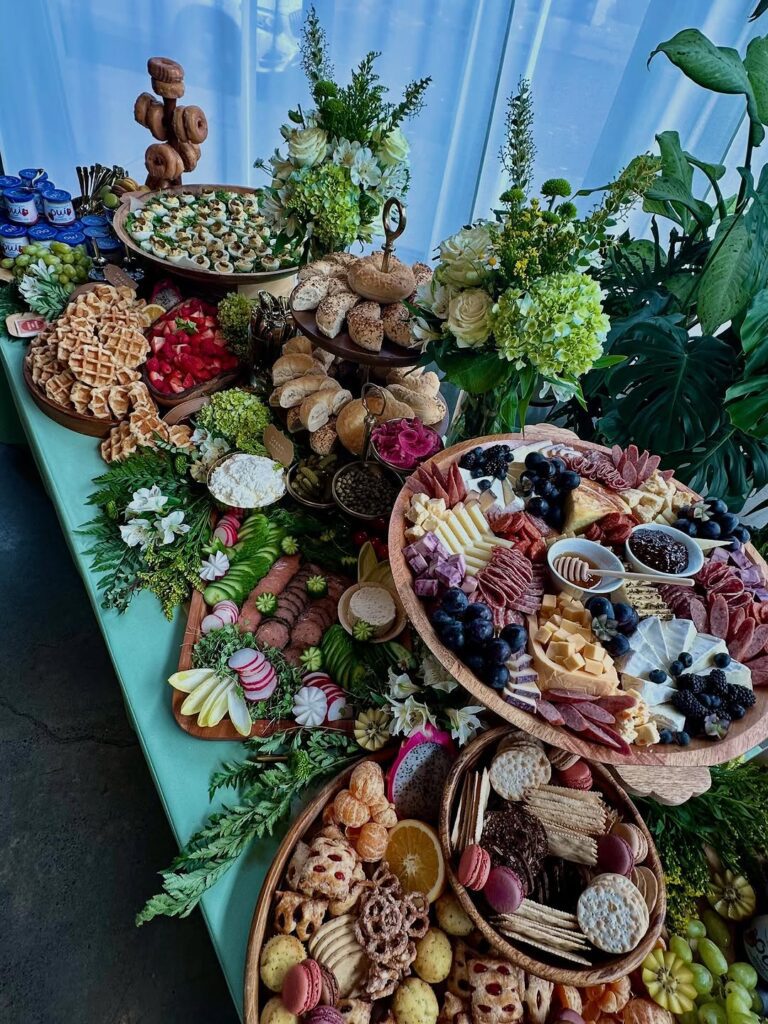
Create color contrast by not grouping all one color together. Scatter reds, greens, and purples throughout. Use height variation with small bowls, stacked items, and some things lying flat. Mix textures between smooth cheese, rough crackers, shiny grapes, and rustic bread.
Add fresh herbs and flowers (edible ones only if they’ll touch food) for natural beauty. The visual feast is almost as important as the actual food.

Theme Ideas
Italian-inspired focuses on Italian cheeses, cured meats, olives, breadsticks, sun-dried tomatoes, fresh mozzarella, and basil.
Mediterranean spread features hummus, pita, feta, olives, cucumber, tomatoes, stuffed grape leaves, and baba ganoush.
Breakfast grazing includes pastries, muffins, fruit, yogurt, granola, smoked salmon, cream cheese, and bagels.
Dessert table offers cookies, brownies, chocolate, candy, fruit, macarons, and small sweet treats.
Taco or nacho bar provides chips, salsas, guacamole, cheese, meats, and all the toppings arranged for DIY tacos.
Themes help guide your shopping and create cohesive presentations.
For Different Events
Casual party can be simpler with grocery store finds and less exotic ingredients. Focus on abundance over perfection.
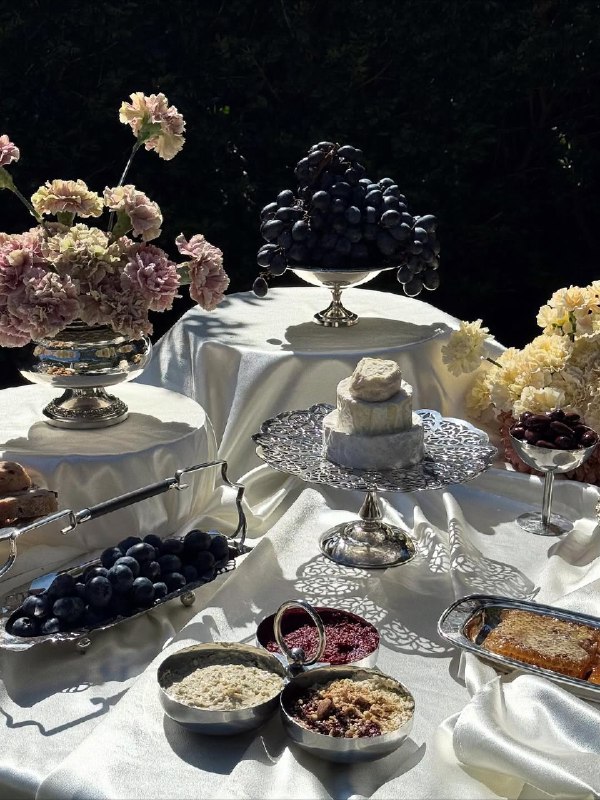
Wedding or formal event might include premium cheeses, elegant presentation, fresh flowers, and upscale accompaniments.
Kids’ party features familiar items like cheese cubes, pepperoni, grapes, crackers, cookies, and fun additions like gummy bears.
Brunch gathering combines breakfast items with traditional grazing elements. Pastries alongside cheese and fruit.
Match your grazing table complexity and ingredients to your event’s formality and audience.
Budget-Friendly Approach
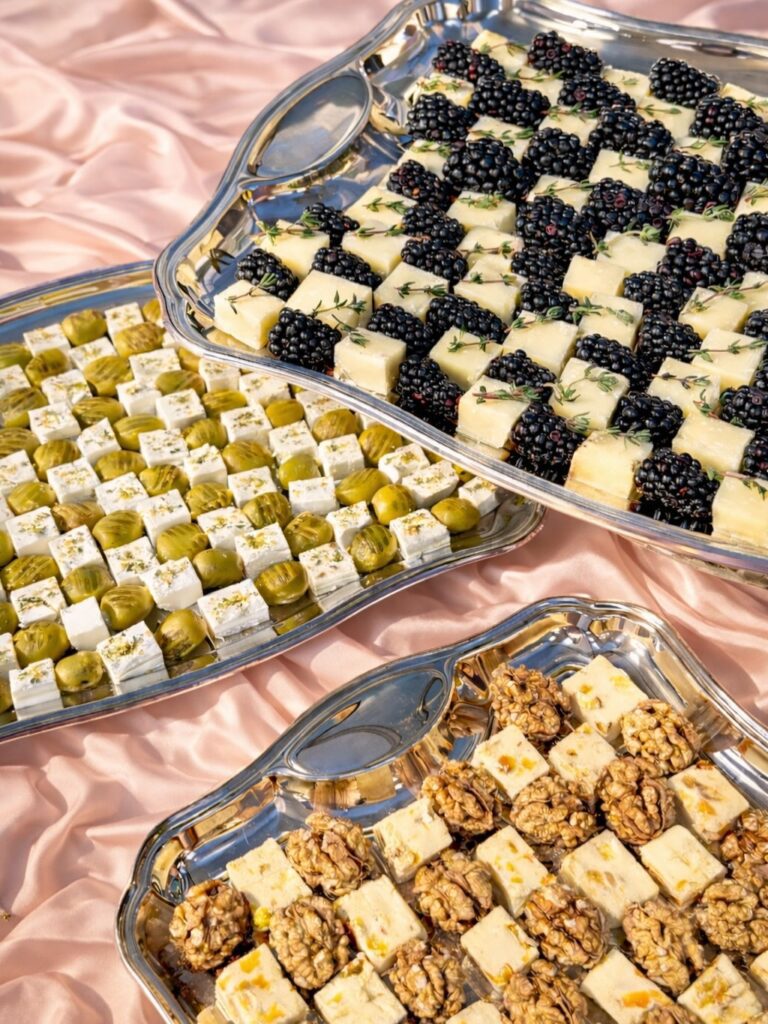
Shop Costco or Sam’s Club for bulk cheeses, meats, and crackers. Use grocery store deli counter for sliced meats and cheeses by the pound. Include less expensive cheeses like cheddar and gouda alongside one or two special ones.
Use seasonal fruits which cost less and taste better. Fill space with affordable items like crackers, nuts, and vegetables. DIY some elements like cutting your own vegetables or making your own crackers.
Skip exotic items and focus on doing familiar things really well. A beautiful grazing table doesn’t require truffle cheese or imported meats.
You can create an impressive spread for large groups for around $100-150 with smart shopping.

Quantities and Planning
Plan for about 3-4 ounces of food per person if the grazing table is the main food. Half that if it’s alongside other meal options. Buy more cheese and meat than you think you need since those are the stars.
Have abundant crackers since they’re cheap and people eat lots. Fruits and vegetables can be more moderate since they’re accents. Include variety over massive quantities of single items.
It’s better to have leftovers than run out early in your event.
Setup Timeline
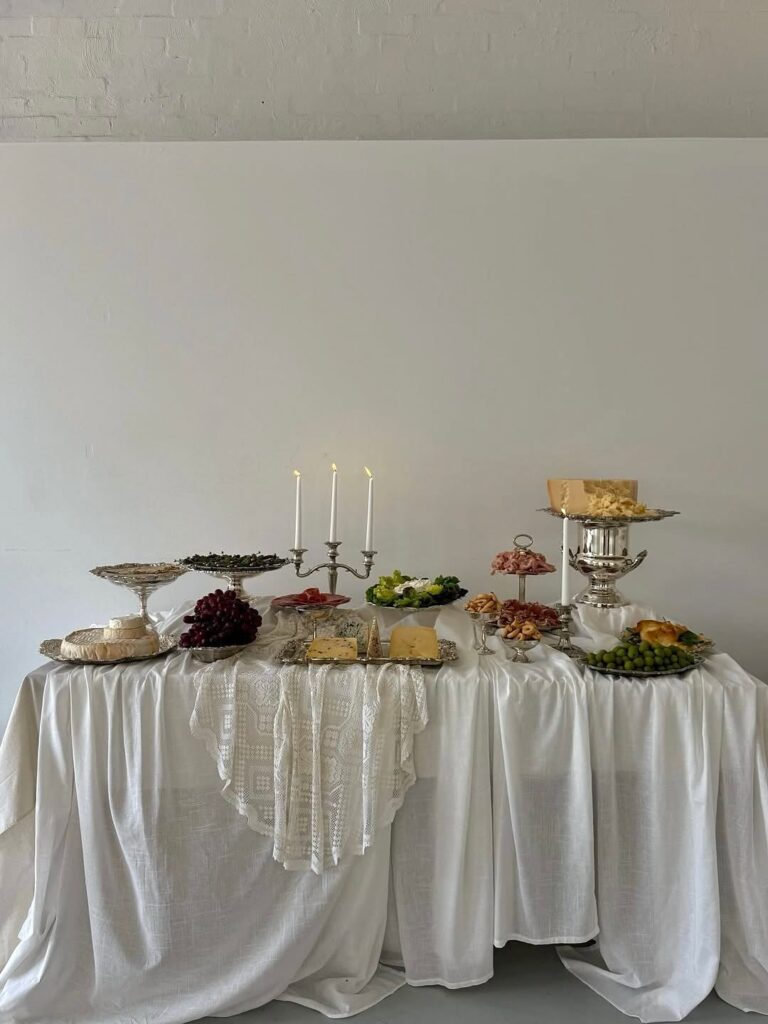
Two days before, shop for non-perishables and plan your layout. The day before, shop for perishables and prep what you can like cutting vegetables. Two hours before, assemble the table completely. Right before guests arrive, add final touches like fresh herbs and check that everything looks abundant.
Don’t try to assemble a grazing table right before guests arrive. Give yourself time.
Keeping Food Safe
Keep perishables refrigerated until the last possible moment. Don’t let dairy and meats sit at room temperature more than two hours. Replenish from the refrigerator rather than putting everything out at once in hot weather.
Use ice underneath serving bowls for items that need to stay cold. Consider timing for outdoor events in warm weather.
Making It Special
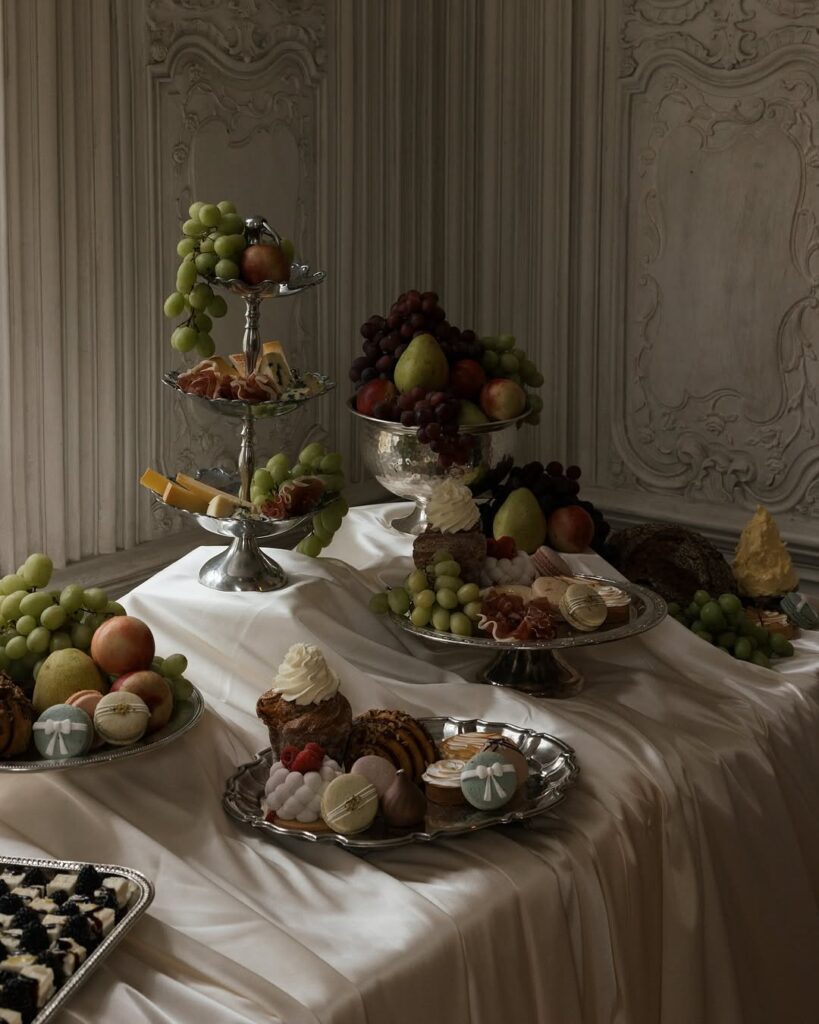
Small touches elevate the presentation. Label cheeses with small cards or chalkboard markers. Add honey dippers, small spreaders, and cheese knives. Include fresh herbs scattered throughout. Use varied heights with small bowls and stacked elements.
Add some unexpected elements like honeycomb, specialty jams, or unique crackers. These conversation starters make the table more interesting.

Common Mistakes to Avoid
Putting everything out at once in hot weather risks food safety issues. Making it too small for your guest count leaves people hungry. Using only expensive ingredients breaks the budget unnecessarily.
Forgetting utensils or plates means guests struggle to serve themselves. Overcrowding so tightly that items can’t be reached defeats the purpose. Ignoring dietary restrictions alienates guests with allergies or preferences.
Dietary Accommodations
Include obvious vegetarian options like vegetables, fruits, and cheeses. Add gluten-free crackers or vegetables as cracker alternatives. Offer dairy-free options like hummus and vegetables if needed.
Label common allergens clearly. Consider a small separate section for special dietary needs if necessary.
After the Party
Package leftovers immediately and refrigerate. Separate perishables from non-perishables. Donate unopened items if appropriate. Use leftovers creatively in meals over the next few days.
Grazing tables often produce leftovers. Plan to use or share them.
The Real Appeal
Grazing tables create a centerpiece that becomes an experience. People gather around them, they photograph well, and they encourage lingering and conversation. The abundance feels generous and welcoming.
They’re also incredibly flexible. You can adjust ingredients based on budget, dietary needs, and personal preferences. There’s no single right way to do it.
Don’t stress about making it perfect. The charm of grazing tables is their casual abundance. Focus on variety, color, and making it look inviting. Your guests will love it.