Can we talk about how badly everyone needs a space that’s just… calm?
Like, in a world of constant notifications, never-ending to-do lists, and the general chaos of everyday life, having one little corner of your home that’s dedicated entirely to peace and stillness feels less like a luxury and more like a necessity right now.
Whether you have an entire spare room, a generous corner, or literally just a nook under the stairs, there’s a version of a zen space that works for you. Let’s figure out what that looks like.
The Philosophy Behind the Space
Before getting into specifics, it helps to understand what you’re actually going for here. A zen room isn’t just about aesthetics (though gorgeous aesthetics definitely help). It’s about creating an environment that supports a shift in your nervous system.
When you walk into a space and it feels calm, your body responds. Lower cortisol, slower breathing, a natural invitation to slow down. That’s the whole point. Everything you put in (and importantly, leave out of) this space should serve that intention.
Less is genuinely more here. This isn’t the place for maximalism.
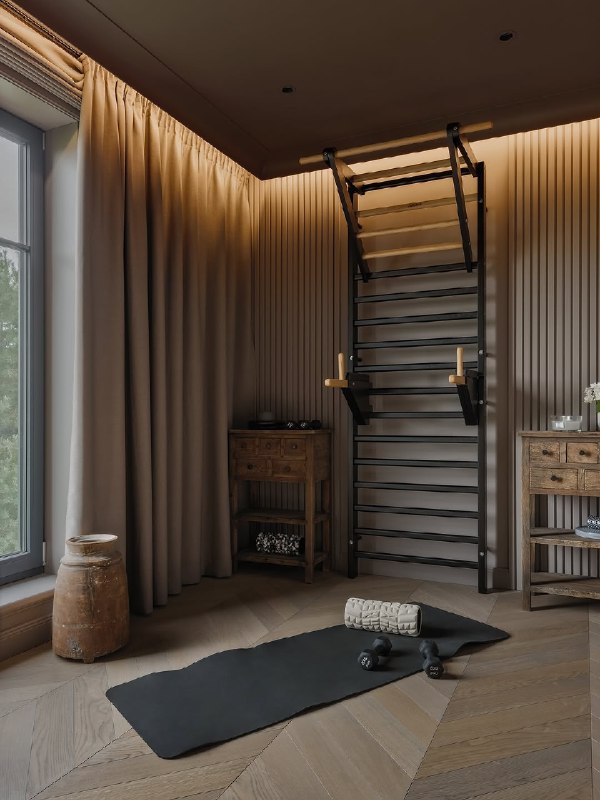
Figure Out Your Space First
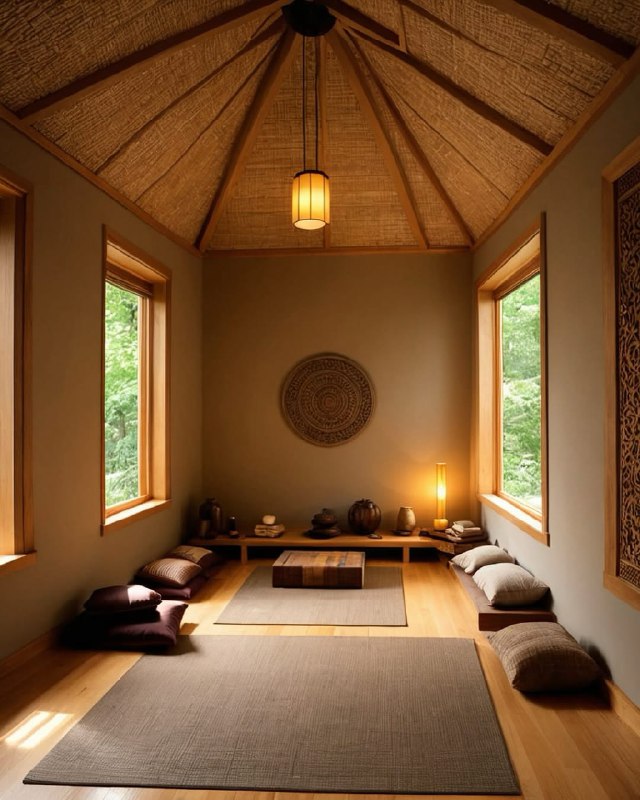
The Dedicated Room If you have a spare bedroom or bonus room you can fully commit to this purpose, lucky you. You can create something really complete and immersive. Think about how every element – flooring, lighting, scent, sound – can work together.
The Living Room Corner Super common and completely workable. Define the zone with a rug, use furniture arrangement to create separation, and keep the area visually calm even when the rest of the room isn’t.
The Bedroom Nook Actually makes a lot of sense since meditation and yoga practice can support better sleep. A corner of the bedroom with your mat, a few cushions, and some soft lighting creates a natural wind-down zone.
The Closet Conversion Walk-in closet you barely use? Remove the hanging rods, add soft flooring and cushions, hang some curtains at the entrance, and you have the coziest little meditation cave imaginable.
The Attic or Basement Often overlooked but can be incredible. Natural seclusion from the rest of the house means fewer distractions. Just think carefully about air quality, temperature, and lighting.
The Outdoor Space A covered patio, screened porch, or garden corner can be magical for practice. Fresh air, natural sounds, and connection to nature make outdoor practice really special.
Flooring Options
The floor is where you’ll be spending most of your time in this space, so it actually matters a lot.
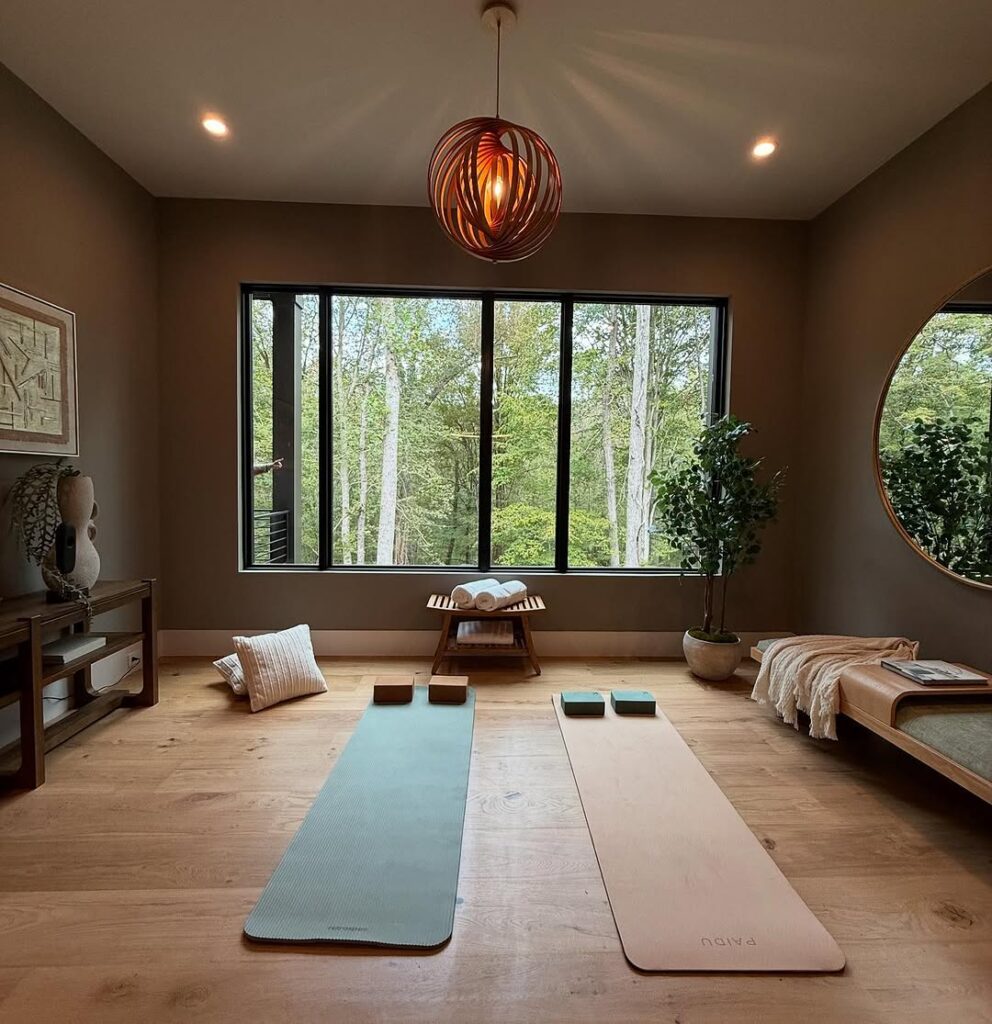
Hardwood or Bamboo Clean, natural, and beautiful. Bamboo especially aligns with the zen aesthetic and is sustainably sourced. Feels cool underfoot and looks gorgeous.
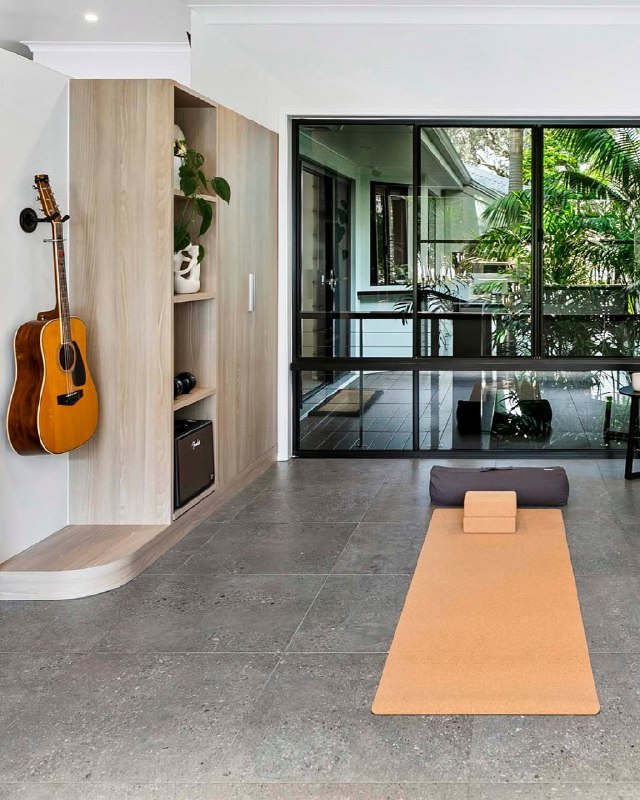
Cork Flooring Underrated for yoga spaces. Naturally antimicrobial, slightly cushioned, and has this beautiful organic texture. Warm underfoot and eco-friendly.
Soft Area Rug Layer a large, plush rug over existing flooring to define the space and add softness. Natural fiber rugs in jute, wool, or cotton feel grounding and organic.
Tatami Mats Deeply traditional Japanese flooring that’s perfect for a meditation space. The natural grass scent is actually calming and they look authentically zen.
Foam or Rubber Tiles Practical if you’re doing more active yoga. Easy to clean, cushioned for joints, and available in natural colors that don’t look too gym-like.
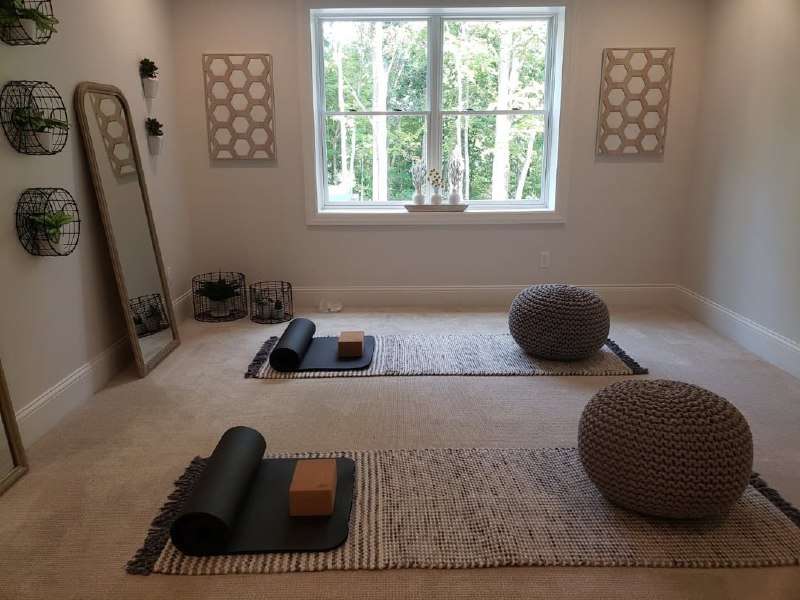
Bare Floor Plus Mat Sometimes the simplest solution is best. Beautiful hardwood with a high-quality yoga mat rolled out when needed. Clean, minimal, and functional.
The Yoga Mat Situation
Your mat is the centerpiece of your practice space. It deserves a little thought.
Quality Matters A good mat makes a real difference. Look for non-slip surfaces, adequate cushioning for your joints, and materials that feel good against your skin.
Aesthetic Choices Mats come in the most beautiful colors and patterns now. Pick one that makes you happy when you see it. You’re more likely to use it.
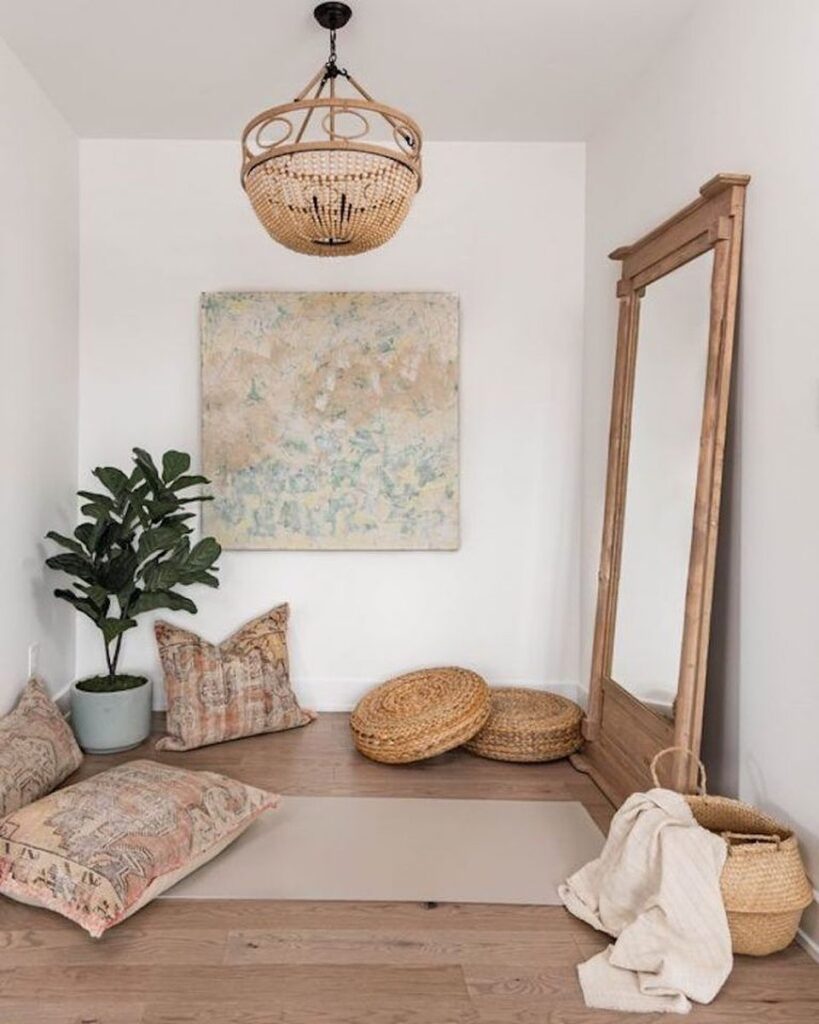
Storage A wall-mounted mat holder keeps it off the floor and visible as an invitation to practice. Or a beautiful basket where it stands rolled up. Never shove it under the bed where you’ll forget it exists.
Multiple Mats If space allows, having a second thinner mat or a travel mat for guests or different practices is handy.
Meditation Seating Options
Not everyone can sit comfortably cross-legged on the floor forever. Having the right support makes practice more sustainable.
Zafu Meditation Cushion The traditional round cushion that elevates your hips and makes cross-legged sitting way more comfortable. Get a zabuton (flat mat) underneath for your knees too.
Bolster Pillow Large, firm bolsters support restorative yoga poses and can double as meditation seating. They look beautiful in the space too.
Meditation Bench A small wooden seiza bench lets you kneel without putting pressure on your ankles. Simple, clean, and very functional.
Floor Cushions and Poufs Large, plush floor cushions in natural fabrics look amazing and give you flexible seating options for meditation or just hanging out in the space.
Low Chair or Recliner For people with mobility issues or chronic pain, a low supportive chair or yoga chair makes practice accessible without compromising the experience.
Wall Support Sometimes you just need to sit against a wall with legs extended. Add a cushion against the wall for supported back meditation.
Lighting That Actually Helps
Lighting in a zen space is everything. Harsh overhead lighting is the enemy of calm.
Natural Light Maximize it if you have it. Soft, diffused natural light through sheer curtains or frosted glass is the gold standard for a meditation space.
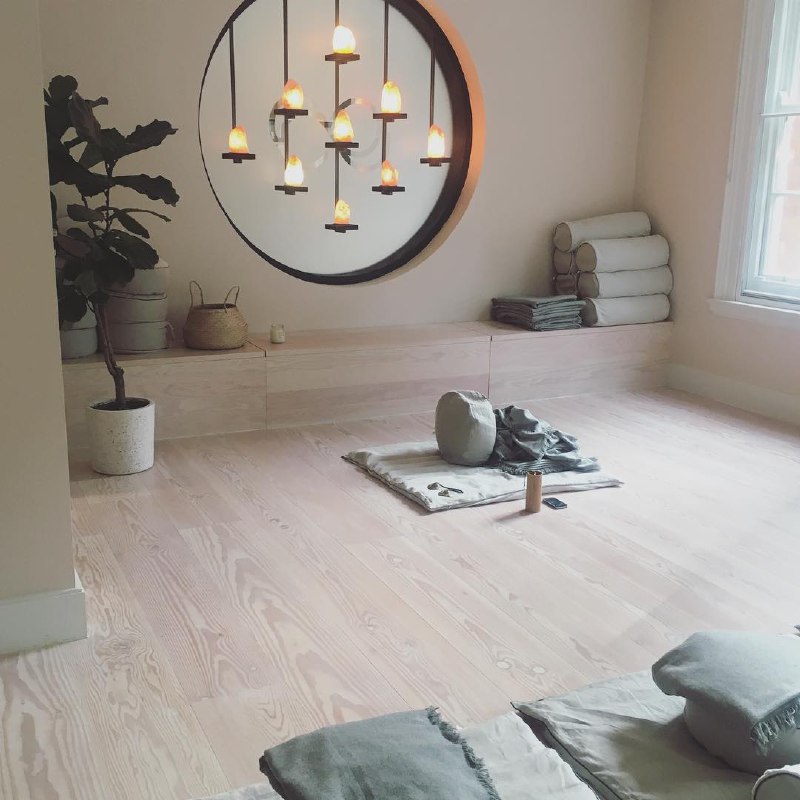
Himalayan Salt Lamps The warm, amber glow is genuinely calming and they look beautiful. Whether or not you believe the ionizing benefits, the light quality alone is worth it.
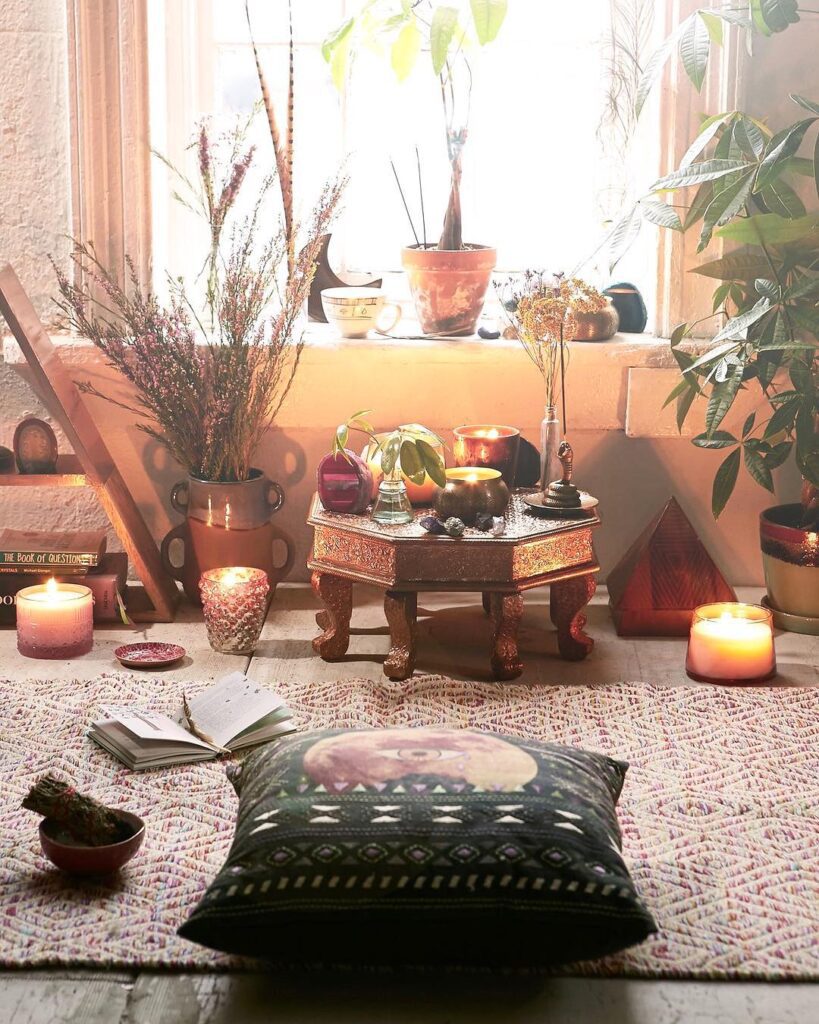
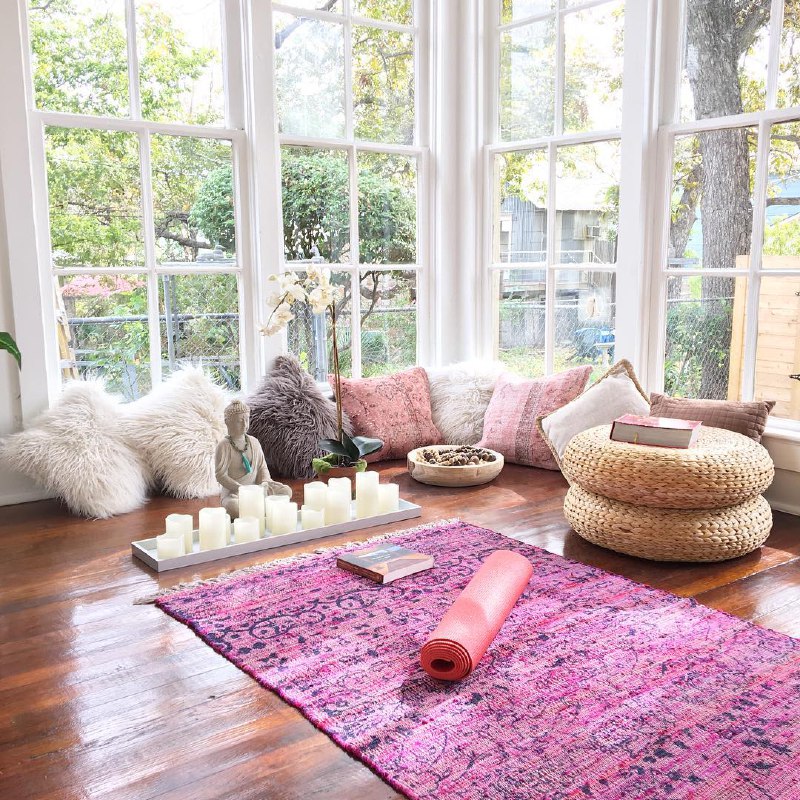
Candles Real flame candlelight has this quality that no artificial light quite replicates. The gentle flicker is actually proven to help shift brain wave activity. Use natural beeswax or soy candles for cleaner burning.
Dimmable Lights Install a dimmer if you can. Being able to go from bright for active yoga to dim for meditation within the same space is incredibly useful.
LED Candles For spaces where real candles aren’t practical (rental restrictions, fire concerns), high-quality flickering LED candles look surprisingly good.
String Lights Warm white string lights draped softly around the space create a dreamy, gentle ambiance. Not the party string light vibe – think softer and more intentional.
Colored Light Therapy Soft red or amber light for relaxation, blue-tinted light for focus and clarity. Smart bulbs make switching between these easy.
Projector Lights Star projectors or nature scene projectors can create a beautiful immersive atmosphere for deep meditation sessions.
Scent and Atmosphere
Your sense of smell is directly connected to your limbic system – the part of your brain that processes emotion and memory. Getting the scent right in your zen space is genuinely powerful.
Incense The most traditional choice. Japanese incense tends to be cleaner and less smoky than some other varieties. Sandalwood, frankincense, and cedarwood are deeply calming.
Essential Oil Diffuser More control over the scent and no smoke. Lavender for relaxation, eucalyptus for clarity, frankincense for deep meditation, bergamot for mood lifting.
Palo Santo The wood burns beautifully, smells incredible (warm, slightly sweet, woody), and has deep spiritual roots in South American traditions. Use mindfully and source ethically.
Sage or Herbs Burning dried herbs like sage, rosemary, or lavender cleanses the air and creates ritual around entering the space.
Beeswax Candles They release a subtle honey scent when burned and actually purify the air. Natural and beautiful.
Fresh Flowers or Plants Jasmine, gardenia, and lavender plants naturally scent the air. Low-key and beautifully organic.
Sound Considerations
What you hear (or don’t hear) in your practice space matters enormously.
Soundproofing If noise is an issue, add thick rugs, curtains, and soft furnishings to absorb sound. Acoustic panels can be beautiful if chosen thoughtfully.
Sound Machine White noise, rain sounds, or nature sounds to mask outside noise. Incredibly useful in urban apartments.
Singing Bowls A Tibetan singing bowl used at the start and end of practice creates beautiful ritual and the resonant tone genuinely shifts focus.
Wind Chimes If you have outdoor access, gentle wind chimes add natural sound that’s deeply calming.
Speaker Setup A quality Bluetooth speaker for meditation playlists, guided sessions, or binaural beats. Position it so sound fills the space evenly.
Silence Sometimes the most powerful thing is no sound at all. Design the space to support silence as its own kind of atmosphere.
Plants for Your Zen Space
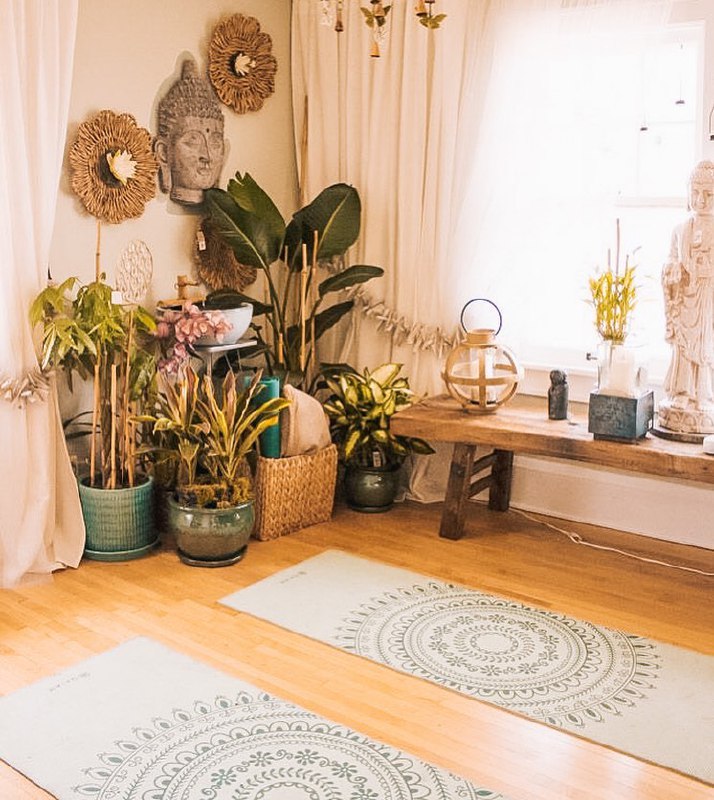
Plants belong in every wellness space. They clean the air, add life, and create that crucial connection to nature.
Peace Lily Perfectly named for this context. Beautiful white flowers, air-purifying, and thrives in low light.
Bamboo Deeply connected to zen aesthetics. Lucky bamboo in a simple vase of water looks elegant and minimal.
Bonsai Tree The ultimate zen plant. Takes patience and care – which is kind of the whole practice.
Monstera Large, architectural leaves that feel tropical and lush. Makes a real statement in a corner.
Ferns Soft, feathery, and ancient. Boston ferns or maidenhair ferns love the humidity of a calm, consistent environment.
Lavender Plant Functional and beautiful. The scent alone is worth having it in your space.
Succulents and Cacti If you’re plant-challenged, a grouping of beautiful succulents requires almost zero maintenance and looks intentional.
Air Plants Mount them, display them in geometric holders, or tuck them into corners. No soil, no fuss, and weirdly meditative to care for.
Altar and Sacred Space Ideas
Many meditation practitioners find that having a dedicated focal point – an altar or sacred shelf – really anchors their practice.
What Goes on an Altar There are no rules here. Common elements include candles, meaningful objects, crystals or stones, small statues or figurines, fresh flowers, a bowl of water, photographs of loved ones, or anything personally meaningful.
Crystal Display Amethyst for calm, clear quartz for clarity, rose quartz for self-compassion, black tourmaline for grounding. Whether you’re into the metaphysical properties or just love how they look, crystals add beautiful natural texture.
Meaningful Objects Things that remind you of who you want to be or what you’re working toward. Keep it personal and edited.
Ritual Items Singing bowls, prayer beads, mala beads, oracle cards, or whatever tools support your specific practice.
Seasonal Updates Change your altar with the seasons. Fresh flowers in spring, shells in summer, leaves in fall, evergreen sprigs in winter. Keeps the space feeling alive and present.
Wall Decor Ideas
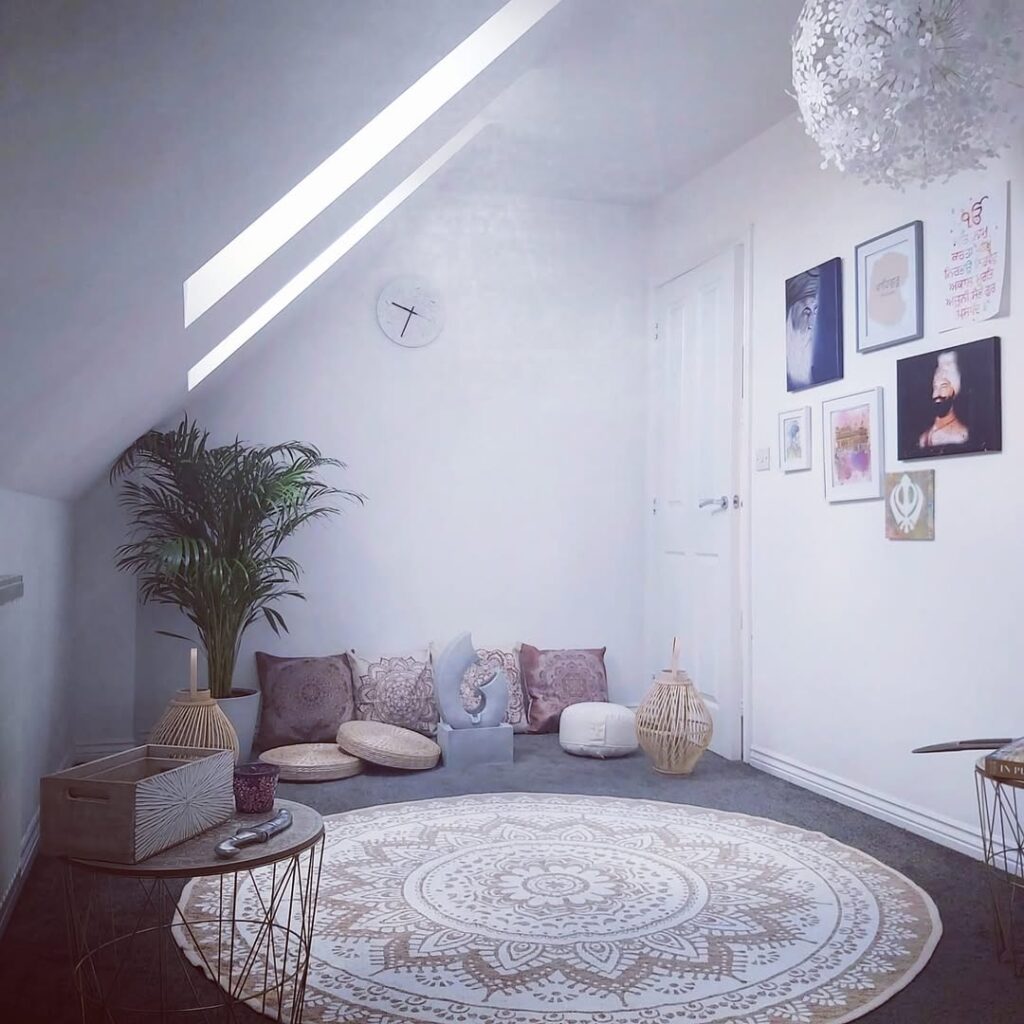
Minimal Art One or two pieces that genuinely calm you. Abstract watercolors, nature photography, simple line drawings, or traditional Buddhist or Hindu art if that resonates.
Mandalas Hanging tapestries or framed prints of mandalas are both beautiful and traditionally meditative.
Calligraphy A single meaningful word or mantra in beautiful calligraphy. Keep it something personally significant, not generic.
Macrame Handmade wall hangings in natural fibers add texture and warmth without visual noise.
Mirrors A single, beautiful mirror expands the space and reflects light. Keep it simple – ornate frames tend to feel too busy.
Empty Wall Space Genuinely consider leaving a significant portion of wall empty. Visual breathing room is part of the zen aesthetic.
Nature-Inspired Murals A simple hand-painted mural of trees, mountains, or water on one wall can be incredibly peaceful. Doesn’t have to be elaborate.
Color Psychology for Zen Spaces
Color affects mood more than people realize. Choose intentionally.
Soft White Creates a clean slate. Feels open, pure, and spacious. Very meditative.
Sage Green Deeply calming, connected to nature, and incredibly popular right now for good reason.
Warm Beige and Sand Grounding, warm, and neutral. Feels like natural materials even when it’s just paint.
Soft Blue Calming and associated with water and sky. Light blues lower heart rate and blood pressure.
Warm Terracotta Earthy and grounding. Connected to natural materials and ancient traditions.
Deep Forest Green or Dark Navy For a more moody, cocoon-like meditation space. Creates a sense of enclosure and safety.
What to Avoid Bright reds, stark whites with blue undertones, and overly stimulating patterns. They activate rather than calm the nervous system.
Building a Practice to Match the Space
Here’s the thing: the most beautiful zen room in the world won’t change your life if you don’t actually use it. A few thoughts on making the space work.
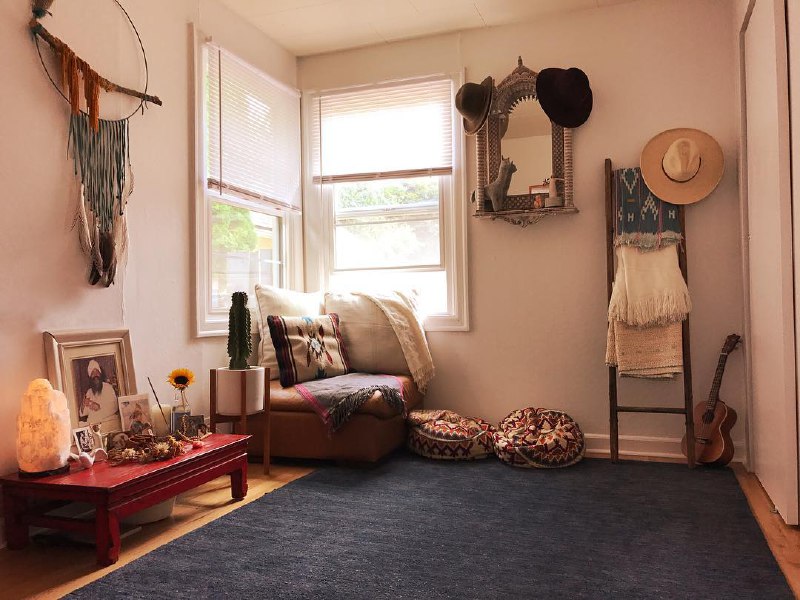
Start Small Five minutes a day is infinitely better than zero minutes. Your beautiful space doesn’t require elaborate two-hour sessions to be worth creating.
Make It Easy The mat should already be rolled out. The cushion should already be in place. Remove every possible friction between you and starting your practice.
Consistency Over Intensity Daily five-minute sessions build more lasting change than occasional hour-long ones. The space is there for everyday use, not just when you have loads of time.
Let the Space Evolve Your practice will change. Your space should be allowed to change with it. Don’t feel locked into what you set up initially.
No Rules This is your space. If traditional meditation doesn’t resonate, use it for breathwork, journaling, quiet reading, or just sitting still with your thoughts. There’s no wrong way to use a zen space.
The truth is, creating a home yoga and meditation space is itself a practice in intention. Every choice you make about what goes in (and what stays out) is an exercise in deciding what you value and what supports your wellbeing.
You don’t need to do it all at once. Start with clearing a corner, rolling out a mat, and lighting one candle. That’s already a zen space. The rest is just details.
And those details are really fun to figure out.