I accidentally created a light academia bedroom before I even knew that aesthetic had a name. I just kept gravitating toward cream-colored linens, stacks of books, and classical art prints, and suddenly my room looked like a European literature student’s dream.
Light academia is having a moment, and I totally understand why. It’s intellectual without being pretentious, romantic without being overly feminine, and cozy without being cluttered. If you’ve ever wanted your space to feel like a sunlit library or a charming university study abroad apartment, this is your aesthetic.
Let me show you how to bring light academia vibes into your home.
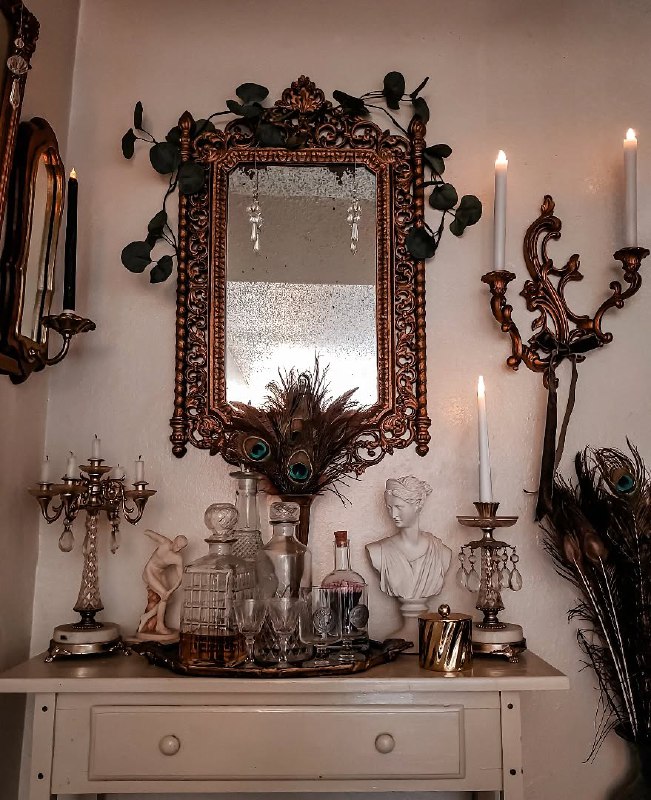
What Is Light Academia?
Light academia is the brighter, softer cousin of dark academia. Where dark academia embraces deep browns, greens, and moody lighting, light academia celebrates cream, beige, soft whites, natural light, and an airy feeling. Both share a love of learning, classical literature, art, and intellectual pursuits, but light academia feels optimistic and warm rather than mysterious.
Think coffee shops with good natural light, European university libraries, afternoons spent reading poetry in sun-drenched rooms, classical music playing softly, and the feeling of early morning study sessions when everything feels possible.
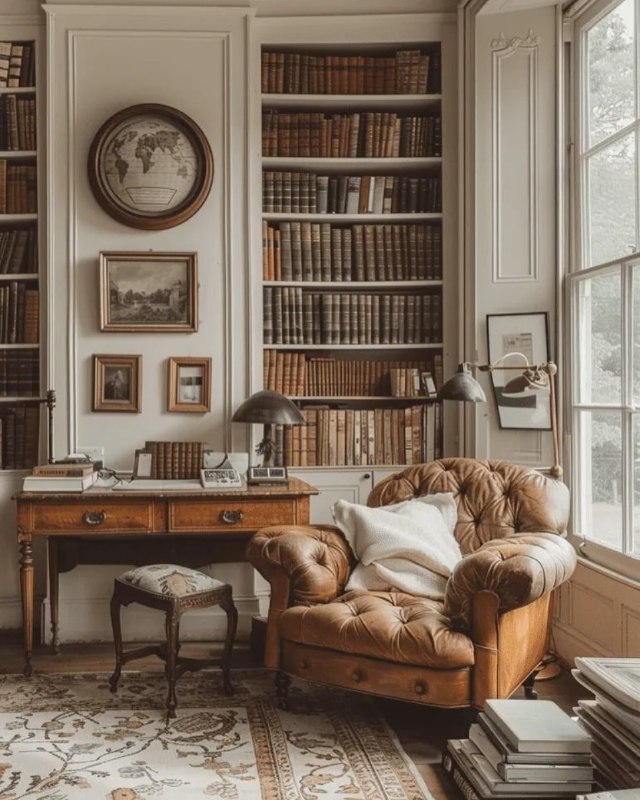
The Color Palette
The foundation is neutral and warm. Cream, ivory, beige, soft white, and warm taupe create the base. Add touches of soft gold, muted terracotta, sage green, or dusty blue as accents. Natural wood tones in light or medium shades work beautifully.
The overall effect should feel light, warm, and inviting. Nothing too dark or heavy. Imagine late afternoon sunlight streaming through gauzy curtains—that’s the vibe you’re creating.
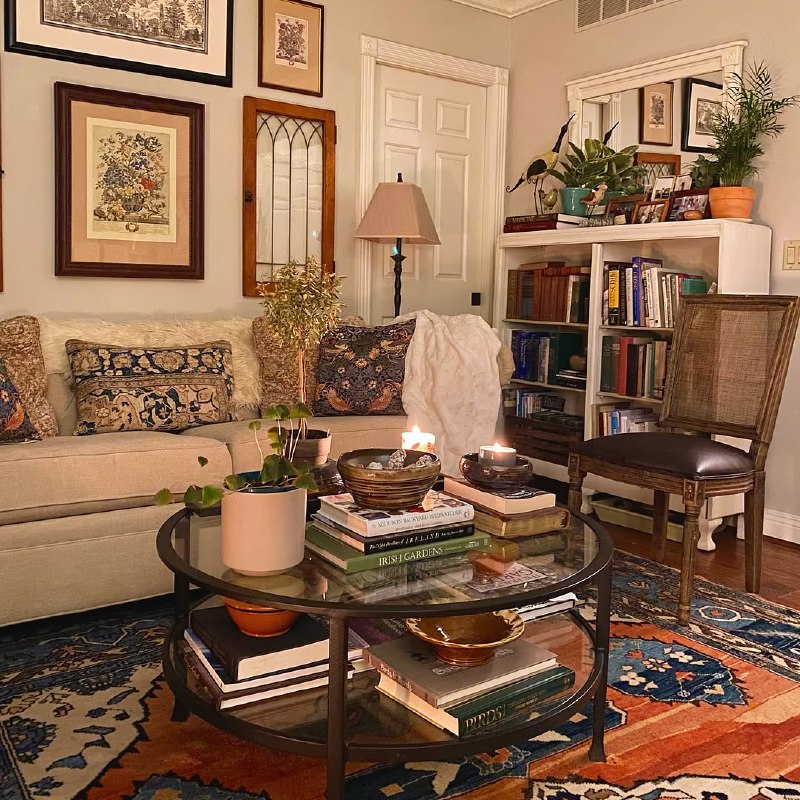
Essential Light Academia Elements
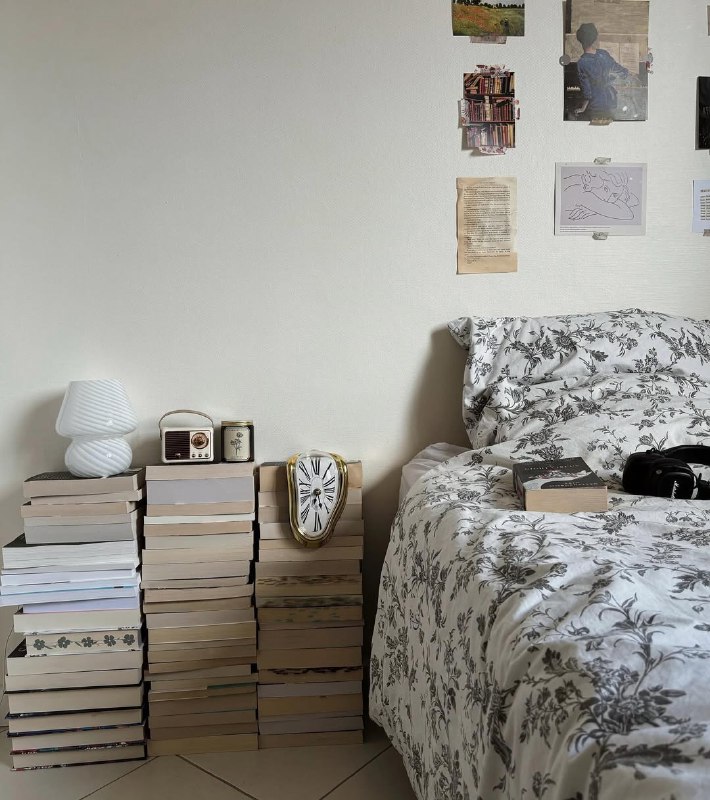
Books are non-negotiable. Stack them on nightstands, shelves, coffee tables, and floors. Show the spines, display vintage covers, or arrange by color. The presence of books signals the intellectual heart of this aesthetic. Bonus points for classical literature, poetry, philosophy, and art history books.
Natural light is everything. Maximize whatever light you have. Sheer curtains filter light beautifully without blocking it. Keep windows clear of heavy treatments. Position furniture to take advantage of natural light. The aesthetic literally has “light” in the name—embrace it.
Classical art and prints bring culture and beauty to your walls. Renaissance paintings, classical sculptures, botanical illustrations, vintage maps, and architectural drawings all fit perfectly. You don’t need originals—quality prints in simple frames work beautifully.
Writing implements displayed intentionally add to the scholarly vibe. Fountain pens in a cup on your desk, leather journals stacked nearby, vintage typewriters if you can find them, or beautiful stationery visible on shelves.
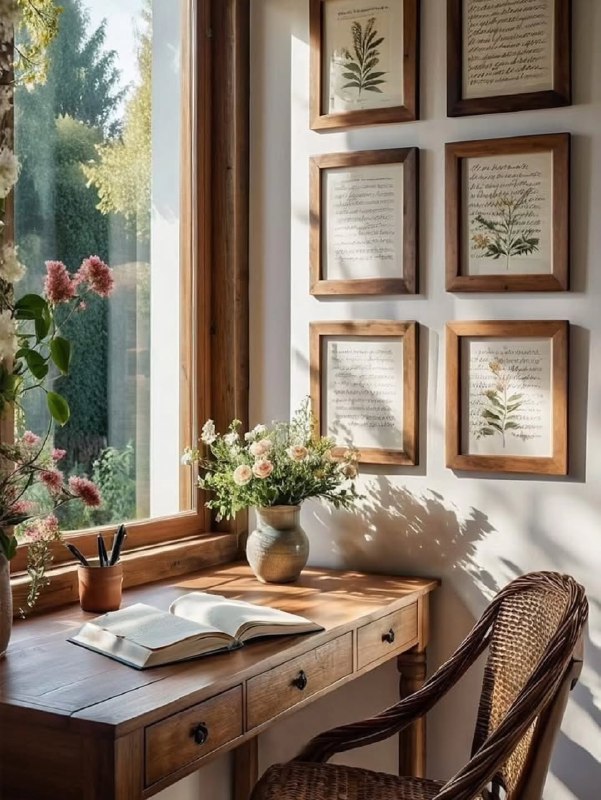
Plants bring life and academia vibes. Potted plants on desks and shelves, fresh flowers in simple vases, ivy cascading from bookcases, or even pressed flowers framed on walls contribute to the naturalist scholar aesthetic.
Quality textiles in natural fibers create comfort. Linen bedding, cotton throws, wool blankets, and natural fiber rugs add warmth and texture while maintaining the soft, neutral palette.

Creating a Light Academia Study Space
This aesthetic basically demands a beautiful study area.
A wooden desk in light or natural wood becomes your workspace. Vintage wooden desks, simple modern desks, or even a small writing table all work. The key is having dedicated space for reading, writing, and studying.
Comfortable seating that invites long reading sessions. An upholstered chair, wooden chair with cushion, or even a window seat with pillows. Comfort matters for actual studying.
Task lighting with character. A brass desk lamp, vintage-style lamp, or even a modern lamp with warm bulbs creates focused light for evening study. The lamp itself becomes part of the aesthetic.
Organized supplies in beautiful containers. Ceramic cups hold pens and pencils. Wooden boxes store papers and notes. Everything has a place but remains visible and accessible.
Inspiration board or wall space displays notes, quotes, pressed flowers, photos, or postcards. A cork board covered in cream fabric or a simple arrangement on the wall above your desk keeps inspiration visible.
I turned a corner of my bedroom into a study nook with a small wooden desk, vintage brass lamp, cup of fountain pens, stack of poetry books, and a small plant. It’s where I actually want to spend time, which is the whole point.

Bedroom Light Academia
Linen bedding in cream or white creates the foundation. Layer with a soft throw blanket in beige or muted color. Lots of pillows in cream and natural tones make it inviting.
Bedside styling includes a stack of books, small lamp with warm light, fresh flowers or plant, and maybe a journal and pen. Keep it simple but intentional.
Soft lighting is crucial. Avoid harsh overhead lights. Use bedside lamps, string lights with warm bulbs, or candles for ambient lighting.
Minimal but meaningful decor on walls. A few pieces of classical art, a mirror with a simple frame, or floating shelves with books and small objects.
Sheer curtains filter morning light beautifully and maintain the airy, romantic feeling.
A reading chair if space allows. A comfortable chair with a throw blanket and nearby small table for your tea creates a designated reading corner.
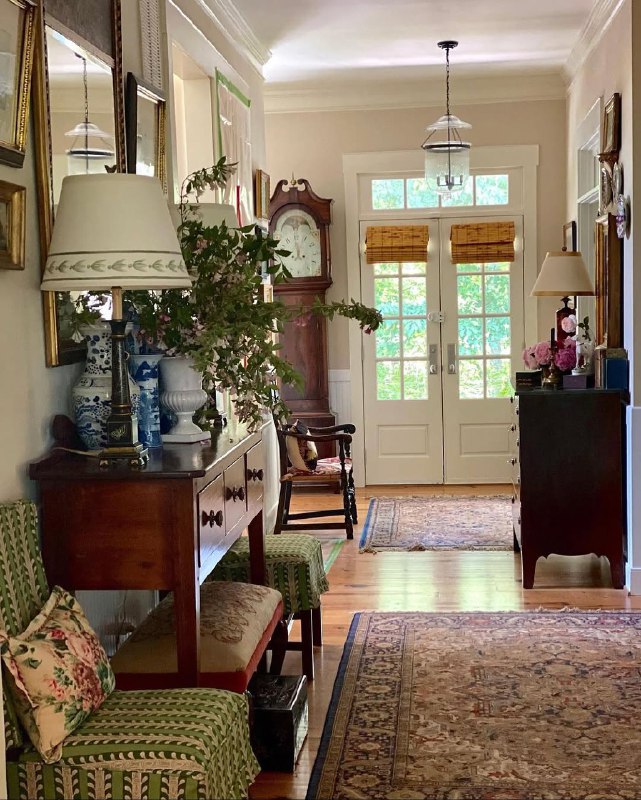
Living Room and Common Spaces
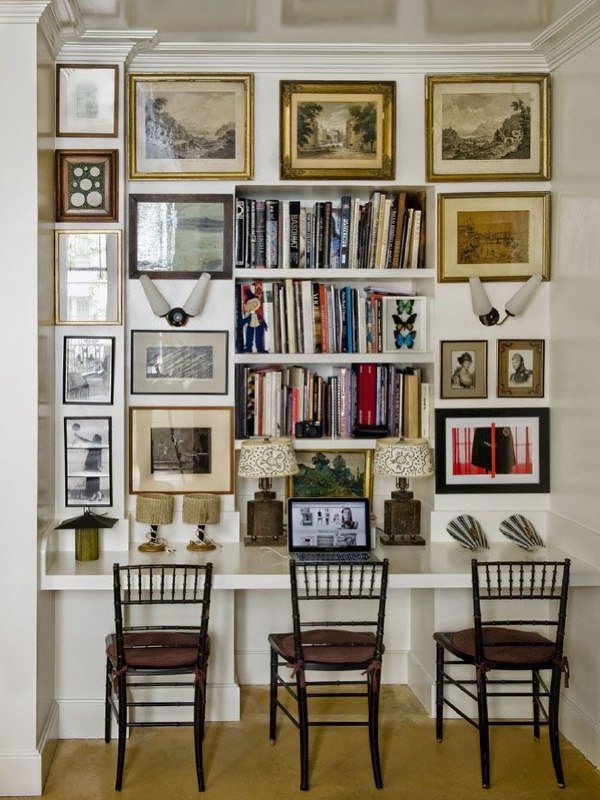
Bookshelves as focal points filled with books, small art objects, plants, and meaningful items. Don’t hide your books—display them proudly.
Comfortable seating in neutral upholstery. Cream linen sofas, beige upholstered chairs, or natural wood furniture with neutral cushions. Layer with throws and pillows in the color palette.
Coffee table styling with stacked books, small plant or flowers, beautiful tray, and maybe a candle. Keep it functional but pretty.
Classical music playing or at least visible evidence of it. Records displayed, a vintage record player, or even just a Bluetooth speaker that blends in.
Art walls with classical prints, botanical illustrations, or vintage photographs in simple frames. Gallery walls work beautifully in this aesthetic if kept cohesive.
Natural textures through jute rugs, wooden furniture, ceramic vases, and linen textiles add warmth and grounding.
Accessorizing the Light Academia Way
Vintage or antique finds add authenticity. Old globes, vintage cameras, antique clocks, or weathered picture frames tell stories and add character.
Fresh flowers in simple clear or ceramic vases bring life and romance. White roses, dried lavender, eucalyptus, or even wildflowers all work.
Candles in cream or ivory add atmosphere. Display them on bookshelves, desks, and side tables. The warm flickering light enhances the cozy scholarly vibe.
Vintage or classical-looking ceramics for functional beauty. A ceramic mug for your coffee, a pitcher for flowers, or decorative bowls on shelves.
Maps and globes satisfy the wanderlust scholar aesthetic. Vintage maps framed or hanging, a globe on a desk, or map-printed textiles.
Letters and correspondence displayed or stored beautifully. Vintage postcards, letters in envelopes, or your own correspondence in pretty boxes suggests communication and connection.
Color Accents That Work
While the base is neutral, small color accents prevent it from feeling sterile.
Soft sage green through plants, a throw pillow, or a ceramic vase brings natural calm.
Muted terracotta in a pot, small textile, or ceramic object adds warmth.
Dusty blue as a rare accent creates serenity and pairs beautifully with cream and beige.
Warm gold through picture frames, lamp finishes, or small objects adds elegance without being flashy.
Natural green from plants is the most important color accent. Living plants are essential to the aesthetic.

What to Avoid
Don’t go too dark. If it’s pulling toward brown, black, or dark green, you’ve veered into dark academia territory. Keep it light.
Avoid synthetic materials when possible. Plastic, polyester, and overly modern materials break the aesthetic. Natural fibers and materials feel more authentic.
Don’t forget the intellectual elements. Pretty neutral decor without books, art, or signs of learning isn’t light academia—it’s just beige minimalism.
Skip overly trendy items that will date your space. Light academia should feel somewhat timeless.
Don’t make it too precious. This should be a lived-in, functional space for actual reading and learning, not a museum.
Budget-Friendly Approach
Thrift stores are goldmines for this aesthetic. Vintage books, classical art prints, wooden furniture, ceramic vases, and antique accessories all show up regularly.
Print your own art using museum websites that offer free downloads of classical paintings. Frame them in simple frames from dollar stores or thrift shops.
Use your textbooks and classics if you have them. Don’t go buy books just for display, but if you own them, show them off.
DIY elements like pressing flowers, creating your own botanical illustrations, or hand-lettering favorite quotes add personal touches cheaply.
Shop your house first. That cream throw you forgot about, those books hidden away, or that wooden furniture piece in storage might be perfect.
Build slowly by adding pieces over time. This aesthetic benefits from looking collected rather than bought all at once anyway.
Making It Your Own
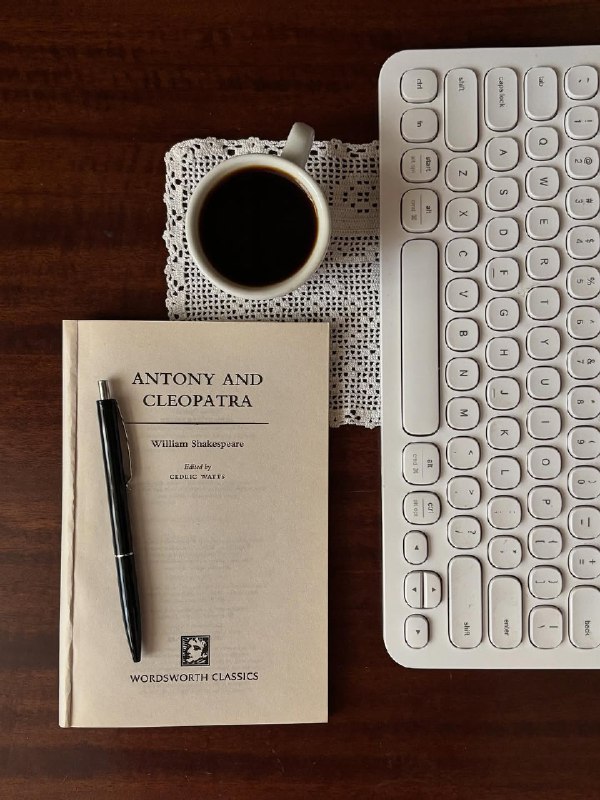
Light academia works because it celebrates knowledge, beauty, and quiet contemplation. Your version should reflect your actual interests and intellectual pursuits. If you love science, incorporate botanical illustrations and nature books. If you’re into languages, display foreign language books and maps. If music is your thing, add sheet music and composer biographies.
The aesthetic is a framework, not a rigid set of rules. Use it as inspiration to create a space that makes you feel inspired, calm, and connected to learning and beauty.
Welcome to the world of light academia, where every day feels like studying abroad, your coffee is always in a pretty mug, and classical music plays softly in the background while you read poetry in a sunbeam. It’s an aesthetic, but it’s also genuinely a lovely way to live.