Kitchen islands are prime real estate in your home. They’re prep space, eating area, homework station, and gathering spot all rolled into one. But that doesn’t mean they can’t also look good.
The challenge with decorating a kitchen island is finding the sweet spot between functional workspace and styled surface. You need it to actually work as a kitchen surface, but you also want it to look intentional and beautiful. Let me show you how to style your island so it’s both practical and pretty.
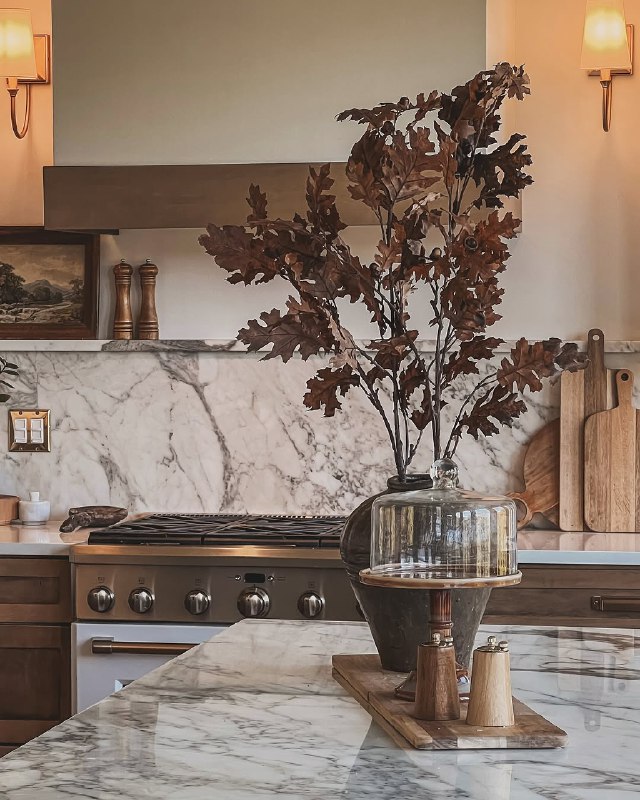
The Golden Rule of Island Styling
Always leave at least half of your island completely clear for prep work. This is a working surface first and a decorative opportunity second. If styling your island means you can’t actually use it for cooking, you’ve gone too far.
The goal is making the functional space look intentional rather than cluttered, not turning it into a display that you’re afraid to disturb.
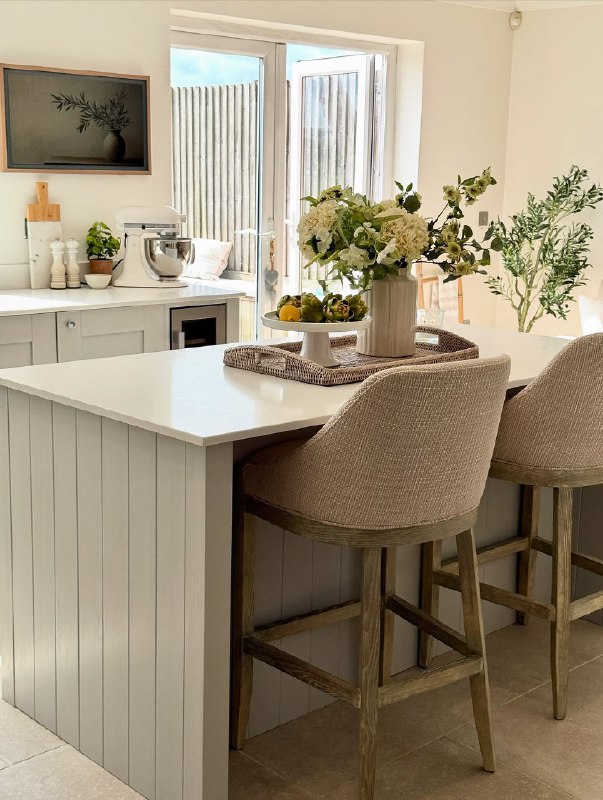
What Actually Works on Kitchen Islands
A simple centerpiece that’s easy to move when you need space. A wooden bowl with fruit, a vase with fresh flowers, or a decorative tray with a few items.
Functional items that look good like a beautiful knife block, attractive cutting boards standing upright, or a nice utensil holder with frequently used tools.
A small plant or two adds life and color without taking up much space. Herbs in pots serve double duty as decor and ingredients.
Cookbooks displayed either stacked or standing with a bookend. Only keep ones you actually use regularly.
Tiered stand holds fruit, snacks, or small plants while maximizing vertical space and keeping the surface clearer.
Simple bowl or basket corrals items like keys, mail, or fruit in a contained, intentional way.
The key is choosing items that either enhance functionality or can be quickly moved when you need workspace.
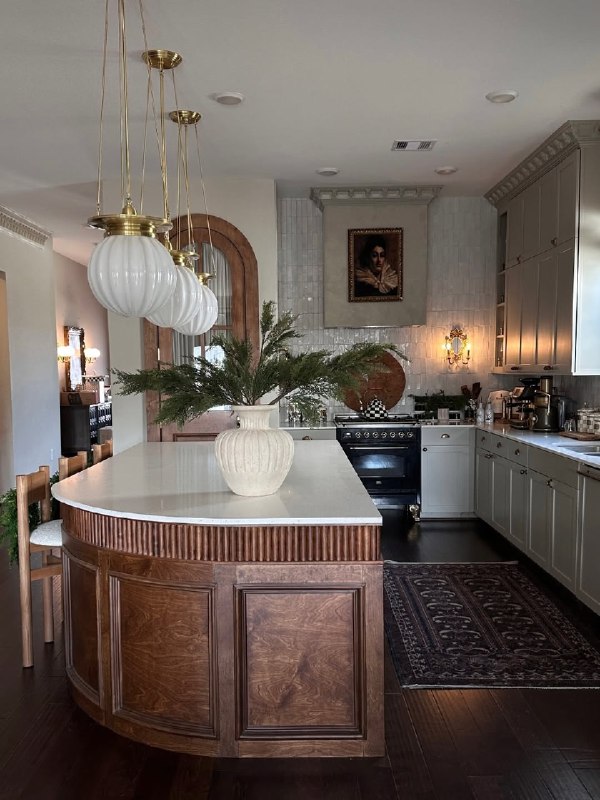
Styling by Island Size
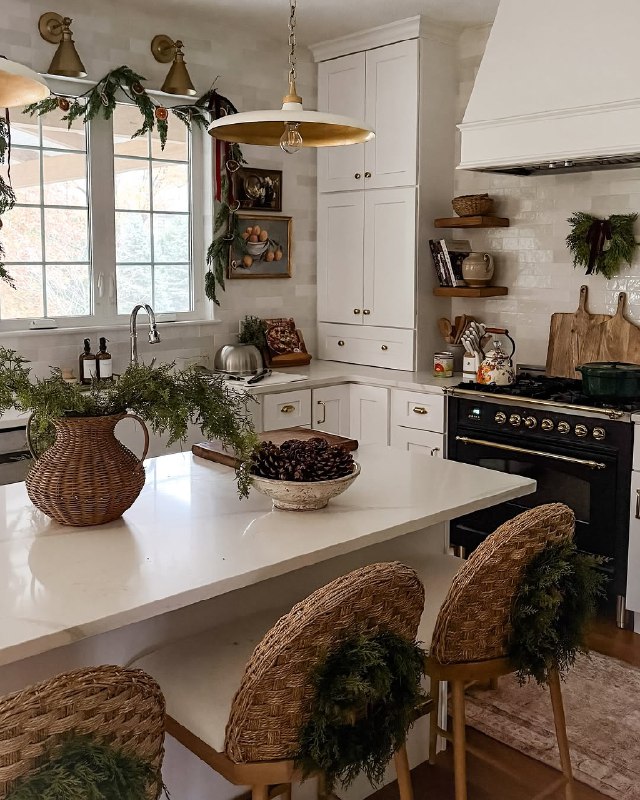
Large islands have room for multiple elements. You can create a styled vignette on one end while keeping the other end completely clear for prep. Consider a centerpiece, some functional items, and maybe a plant or two.
Medium islands need restraint. Choose 2-3 items maximum. A centerpiece plus one functional item, or a simple bowl and small plant. Keep everything streamlined.
Small islands should stay mostly clear. One small centerpiece or a single functional-decorative item like a nice knife block. Resist the urge to add more.
Scale your styling to your actual available space. Bigger isn’t always better if it means you can’t use your island.
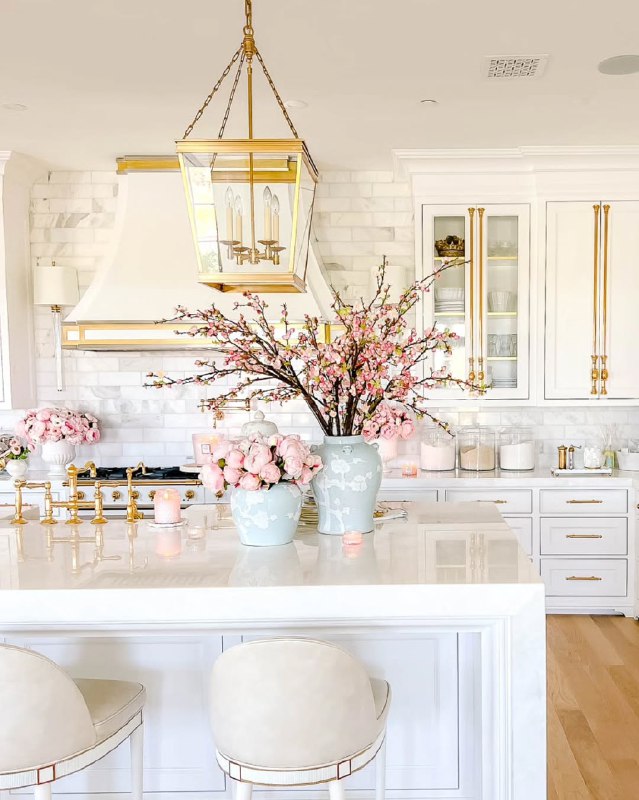
Centerpiece Ideas That Make Sense
Fresh flowers in a simple vase never go wrong. Keep the arrangement low so you can see across the island and easy to move when needed.
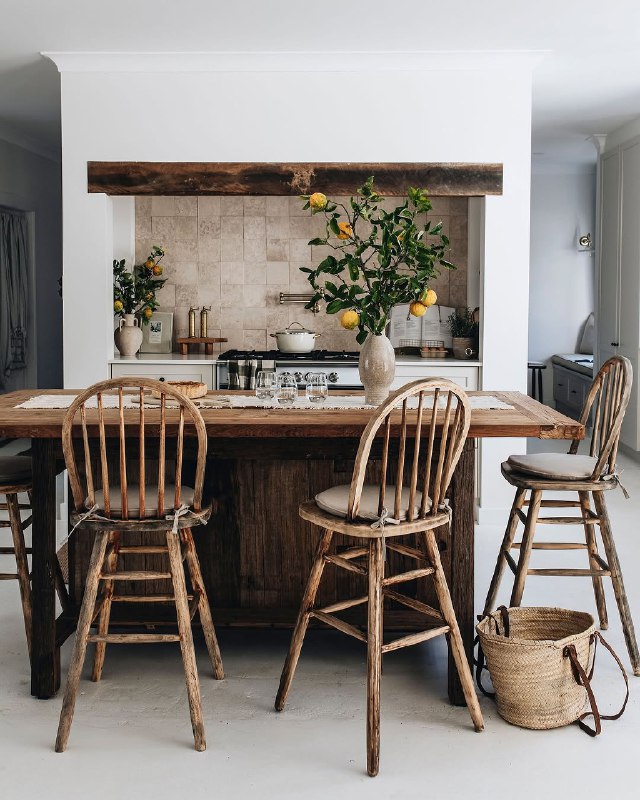
Fruit bowl is both decorative and functional. A wooden bowl with lemons, apples, or seasonal fruit looks beautiful and serves a purpose.
Tiered fruit stand displays fruit or other items at different heights, creating visual interest while being practical.
Cake stand with items presents decorative objects or functional items like salt and pepper at an elevated level.
Decorative bowl can hold anything from real fruit to decorative balls to nothing at all. The vessel itself becomes the decor.
Small potted plant in a pretty planter adds greenery. Choose something low-maintenance that tolerates kitchen conditions.
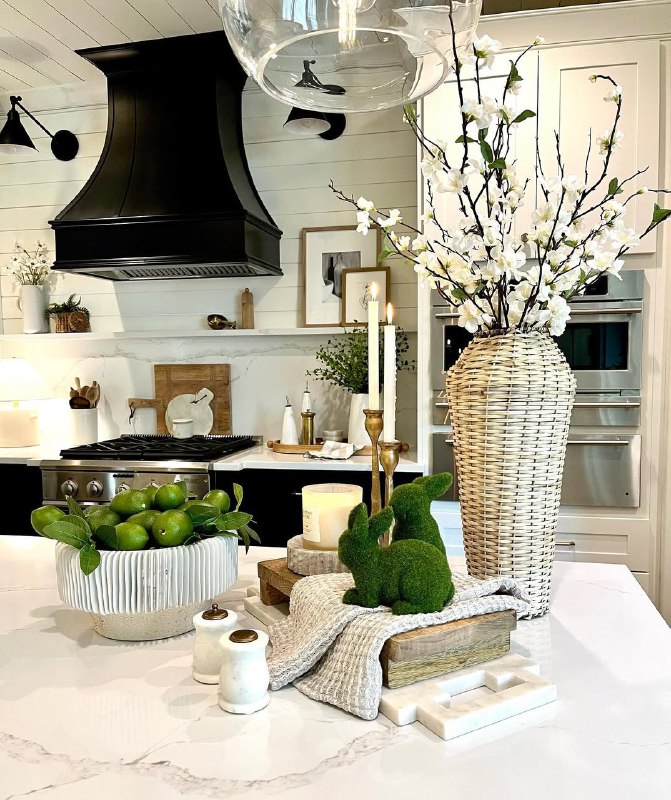
Candles on a tray grouped in varying heights create ambiance for evening gatherings. Keep them on a tray so they’re easy to move.
Choose centerpieces that you can quickly relocate when you need the full surface for cooking or projects.
Functional Decor
These items pull double duty as both useful and attractive.
Beautiful cutting boards leaning against the backsplash or wall look like intentional decor while being grabbable when needed.
Attractive utensil holder with wooden spoons, spatulas, and whisks you use regularly keeps tools accessible and looks rustic-chic.
Nice knife block in wood or another attractive material stores knives safely while looking purposeful.
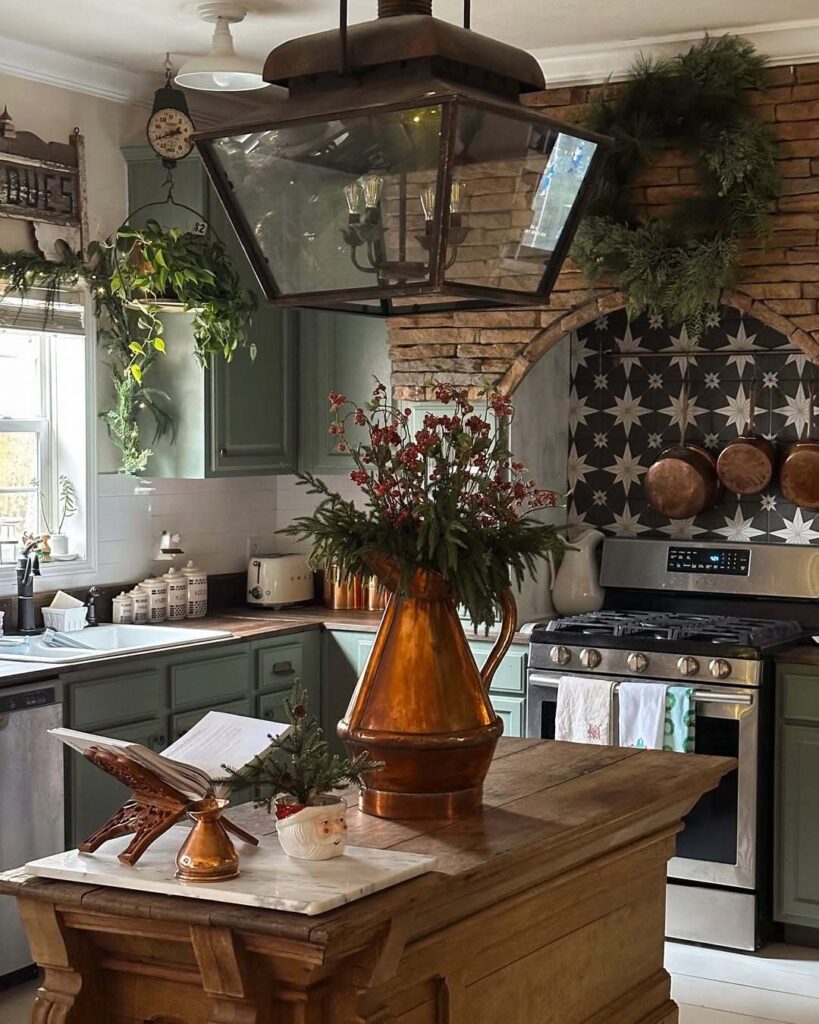
Cookbook stand holds your current cookbook open to the recipe while adding visual interest.
Olive oil and vinegar in pretty bottles keep frequently used ingredients accessible and look sophisticated.
Salt and pepper in decorative containers on a small tray are functional essentials that can look beautiful.
Paper towel holder in an attractive design or material serves a purpose while looking intentional.
The best island decor is actually functional rather than purely ornamental.
What to Avoid
Don’t overcrowd the surface. Clutter masquerading as decor just makes your island unusable.
Avoid anything too tall that blocks sight lines across the island or makes conversation difficult if people are sitting on opposite sides.
Skip delicate items that can’t handle the occasional bump or splash. Islands are active spaces.
Don’t display things you never use. That expensive oil you never cook with doesn’t belong on the island just because the bottle is pretty.
Avoid making it so styled that you’re afraid to move things when you need to cook.
Don’t forget about cleaning. Every item on your island needs to be moved when you wipe down the surface. Keep that in mind.
Styling for Different Island Setups
Islands with seating need to consider the seated view. Keep decor toward the center or the non-seating end so it doesn’t interfere with place settings or elbow room.
Prep-focused islands should stay mostly clear with only minimal functional decor. You need maximum workspace.
Islands with sinks have less available surface space. Keep decor simple and away from the sink area where it would get splashed.
Islands with cooktops require even more clearance. Keep decor to the opposite end and minimal overall for safety.
Multi-level islands can use the raised bar area for decor while keeping the lower prep surface completely clear.
Consider how you actually use your island when deciding what and where to place items.

Seasonal Styling
Rotating your island decor seasonally keeps your kitchen feeling fresh.
Spring brings fresh flowers, lighter colors, citrus in bowls, and brighter energy.
Summer adds fresh herbs in pots, colorful fruit displays, and vibrant elements.
Fall features small pumpkins or gourds, warm-toned items, and autumn colors.
Winter includes evergreen clippings, pinecones, candles, and cozy elements.
Seasonal touches don’t require a complete overhaul. Swapping one or two elements creates seasonal awareness without effort.
Different Style Approaches
Modern minimal keeps one or two simple items in neutral tones with clean lines. Think a single white vase with green stems or a wooden bowl with perfect apples.
Farmhouse cozy uses wooden elements, fresh herbs, rustic utensil holders, and warm textures. Everything functional but styled intentionally.
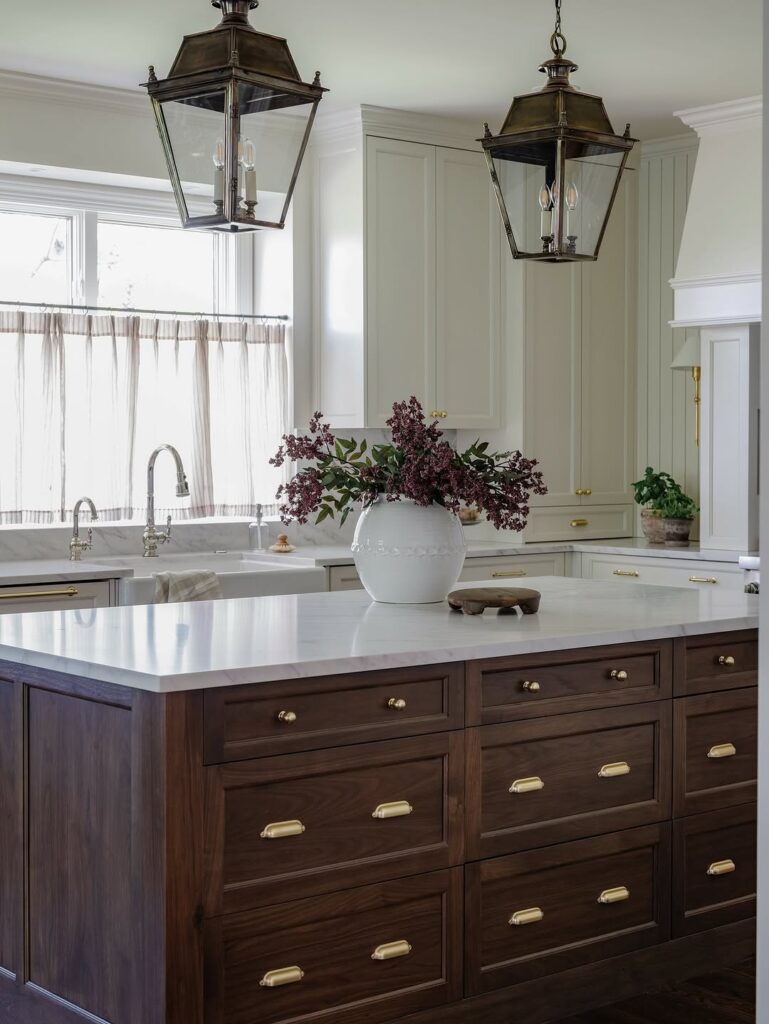
Traditional elegant adds symmetrical arrangements, classic fruit bowls, crystal or glass elements, and polished finishes.
Coastal casual brings in white or blue elements, natural textures, fresh flowers or greenery, and light airy feeling.
Industrial modern incorporates metal elements, minimal decoration, functional focus, and utilitarian beauty.
Match your island styling to your overall kitchen aesthetic for cohesion.
Budget-Friendly Island Styling
Use items you already own from other rooms. That wooden bowl, that plant, those candles—bring them to the kitchen.
Grocery store flowers cost $10-15 and make huge impact for minimal investment.
Thrifted finds like wooden bowls, vintage utensil holders, or interesting containers add character cheaply.
DIY elements like painting a plain utensil holder or creating your own herb garden.
Seasonal items from your yard like branches, leaves, or flowers cost nothing and look natural.
Repurpose kitchen items as decor by choosing attractive versions of things you need anyway.
Beautiful island styling doesn’t require expensive purchases. Thoughtful arrangement of what you have works beautifully.
Daily Maintenance
Quick reset each evening takes two minutes. Clear any accumulated items, wipe down the surface, rearrange your styled items.
Move everything when cooking without hesitation. Your decor is meant to be flexible, not permanent.
Wipe down items regularly since kitchen grease and splashes affect everything.
Reassess monthly to see if your current styling still works or needs adjustment.
Don’t be precious about your arrangement. It should serve your life, not complicate it.
My Island Reality
A wooden bowl with whatever fruit is in season, a small potted basil plant, and a nice knife block. That’s it. Three items that are functional but look intentional.
Everything can be moved in about 30 seconds when I need full workspace. The bowl and plant slide to one end, the knife block stays but doesn’t interfere. It looks styled but doesn’t impact functionality.
Cost for my setup was maybe $40 total—the wooden bowl was thrifted for $8, the basil plant was $4, and I already had the knife block. Simple and functional.

The Real Balance
Kitchen islands are working surfaces that happen to be visible, not display tables that occasionally get used for cooking. The best island styling acknowledges this reality and works with it rather than against it.
Your island should look good, but more importantly it should work well. If you find yourself not cooking because you don’t want to disturb your styled surface, you’ve prioritized the wrong thing.
Style your island, but keep it simple, functional, and flexible. The prettiest island is one that actually gets used for its intended purpose while still looking intentional.