Your mantel is prime real estate in your living room. It’s the first thing people see when they walk in, it’s visible from every angle, and yet it’s one of those surfaces that’s really easy to get wrong. Too much looks cluttered, too little looks bare, and finding that sweet spot requires some strategy.
I’ve styled my mantel about fifteen different ways trying to figure out what actually works. The difference between a mantel that looks intentional and one that looks like a dumping ground for random objects is surprisingly simple once you understand the basics. Let me show you how to make yours look good.
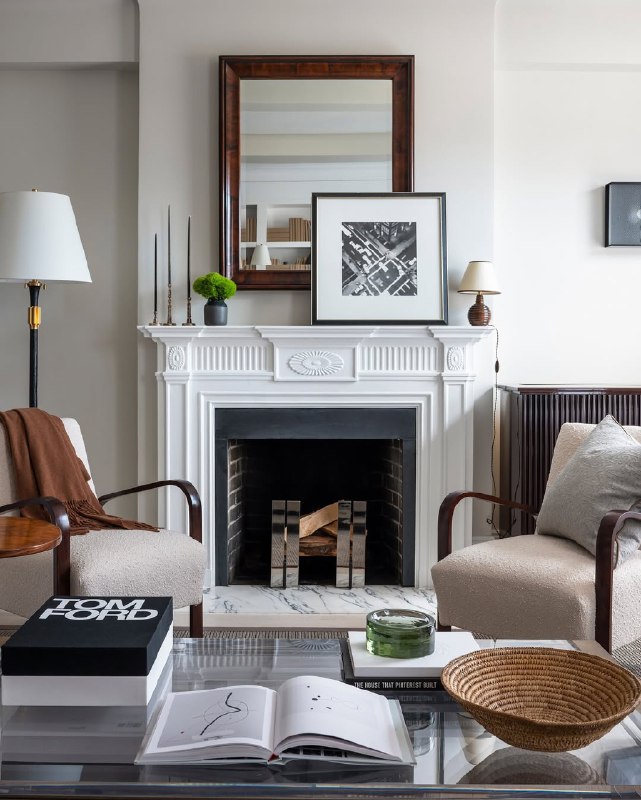
The Basic Formula
Start with a focal point in the center or slightly off-center. This could be a mirror, large piece of art, or statement object. Add items of varying heights to create visual interest rather than everything being the same level. Include 3-5 main elements rather than tons of small items. Layer objects by placing some in front of others for depth. Leave negative space so the mantel can breathe.
This formula works for any style and any season. Master these basics and you can adapt them infinitely.
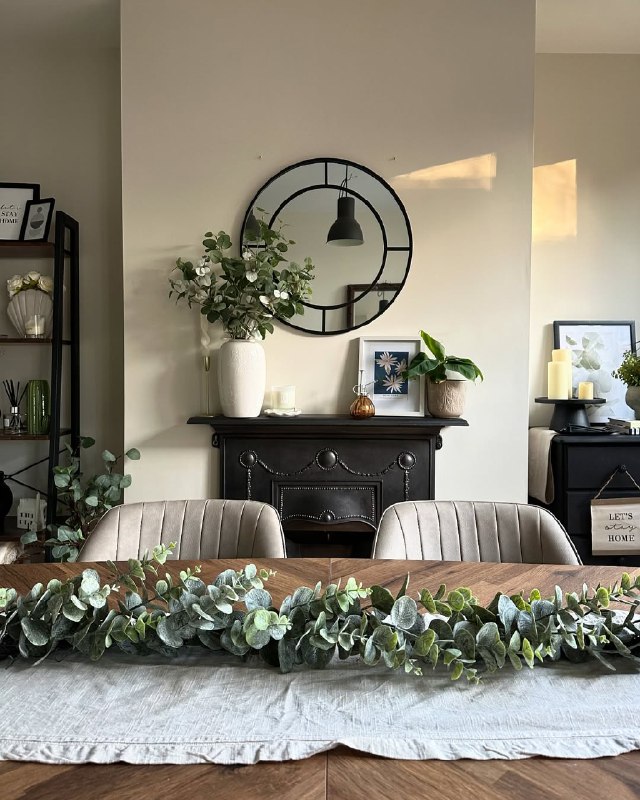
Styling Approaches
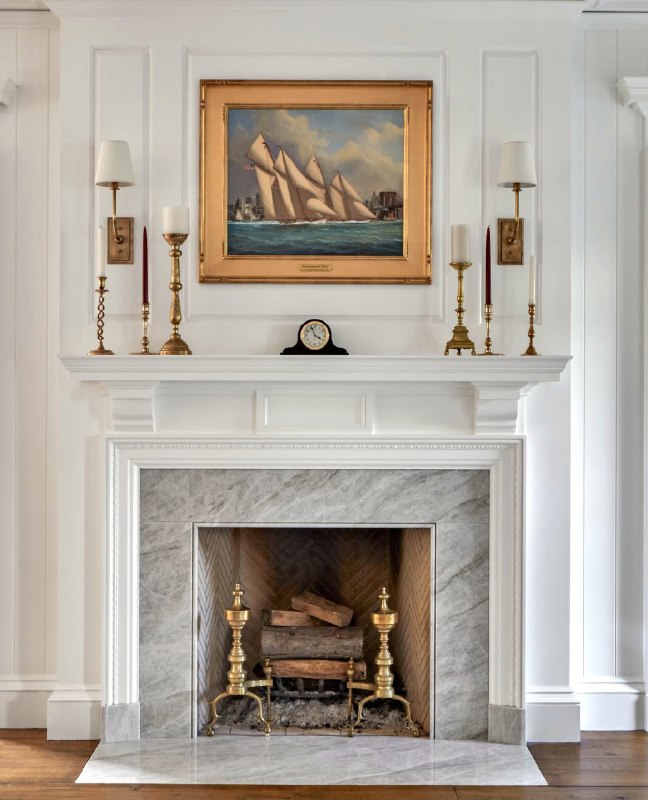
Symmetrical arrangement places matching items on each side of a central focal point. Two candlesticks flanking a mirror, identical vases on either end, perfectly balanced. This creates formal elegance and works well in traditional spaces.
Asymmetrical balance uses different items that still feel visually balanced. A tall vase on one side balanced by stacked books and a small plant on the other. This feels more casual and collected.
Layered look leans artwork or mirrors against the wall with smaller objects in front. Creates depth and a more casual, lived-in vibe.
Minimalist approach uses just one or two statement pieces with lots of empty space. Very modern and clean.
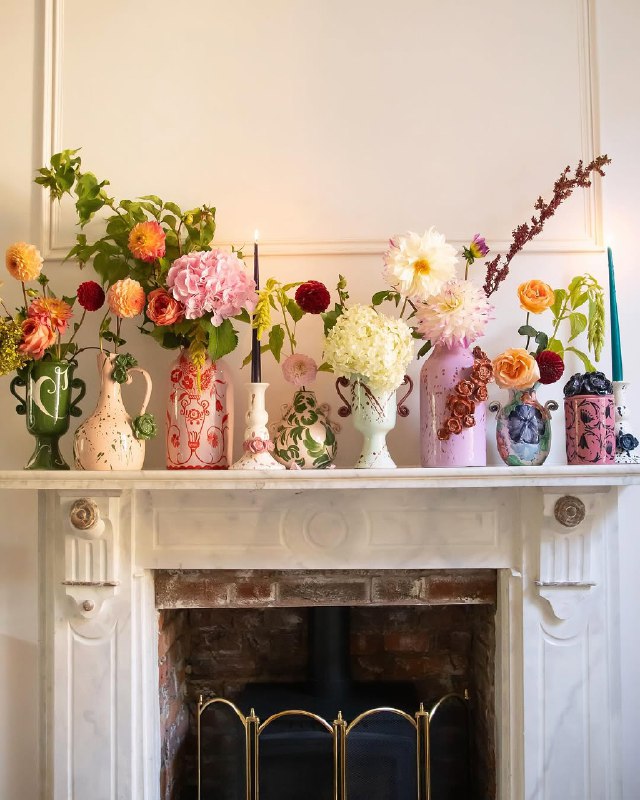
Abundant styling fills the mantel with coordinated items in a curated way. More is more, but everything works together.
Pick an approach that matches your overall home aesthetic and comfort with visual busyness.
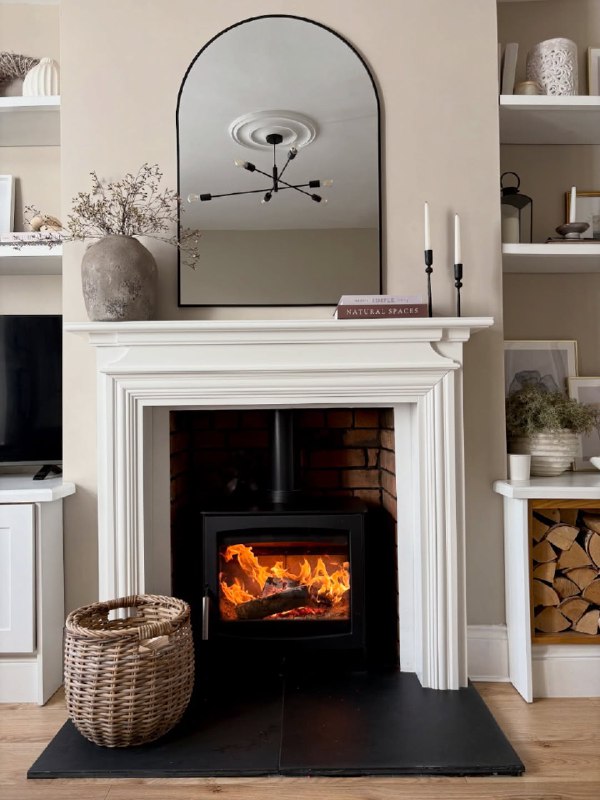
Essential Elements
Artwork or mirror anchors the mantel and fills vertical space on the wall. Large pieces work better than small ones. Lean them against the wall rather than hanging for a more casual look.
Candles add height, ambiance, and warmth. Use varying heights and group them in odd numbers. Pillar candles, tapers in holders, or votives all work.
Greenery brings life and natural elements. Fresh flowers, potted plants, faux greenery, or seasonal branches all soften the space.
Books stacked horizontally create risers for other objects and add color and personality. Choose books with attractive spines or covers.
Decorative objects like vases, sculptures, or collected items add personality. Choose pieces that mean something to you.
Something functional like a clock or meaningful family photos makes the mantel feel lived-in rather than staged.
You don’t need all of these elements. Pick 3-4 categories that work for your space and style.
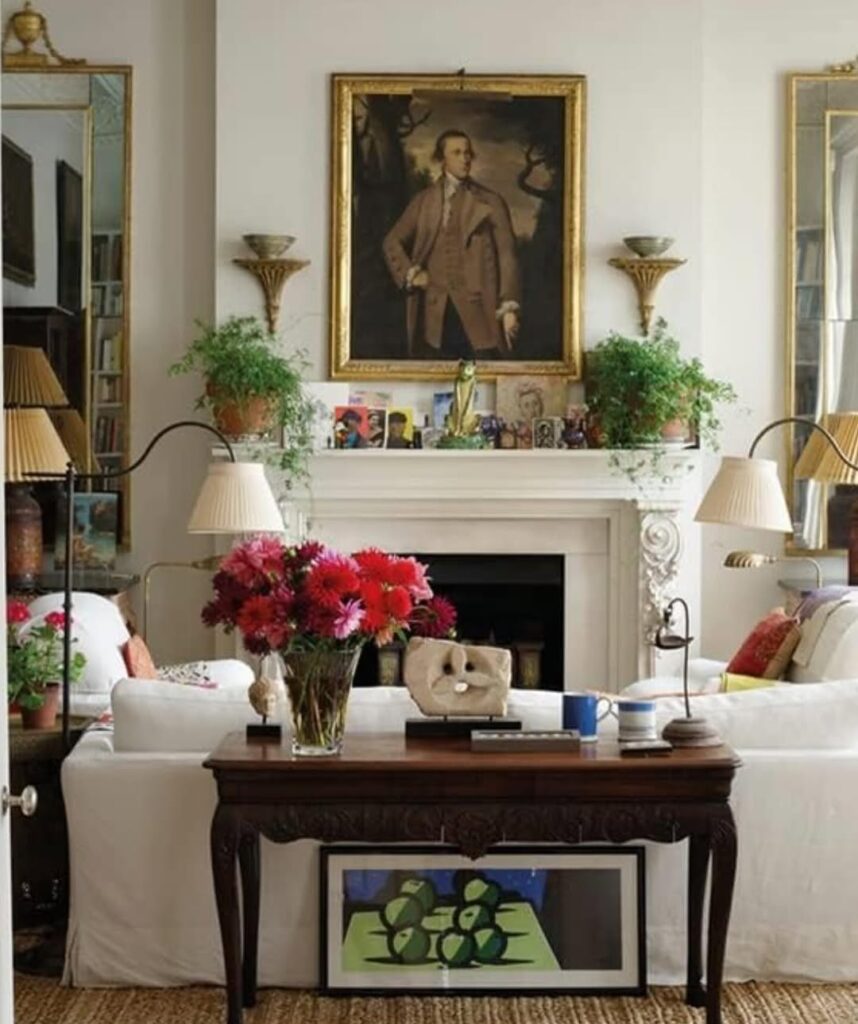
Height Variation Strategy
The key to visual interest is varied heights. Place your tallest item toward the back or side, add medium height items throughout, and include some low elements for balance.
Use books or small boxes as risers to elevate smaller objects. Overlap items so some are in front of others creating layers. Lean tall items like mirrors or artwork against the wall. Choose candlesticks or vases in different heights rather than matching sets.
Flat arrangements look boring. Creating peaks and valleys with varied heights makes everything more dynamic.
Color and Cohesion
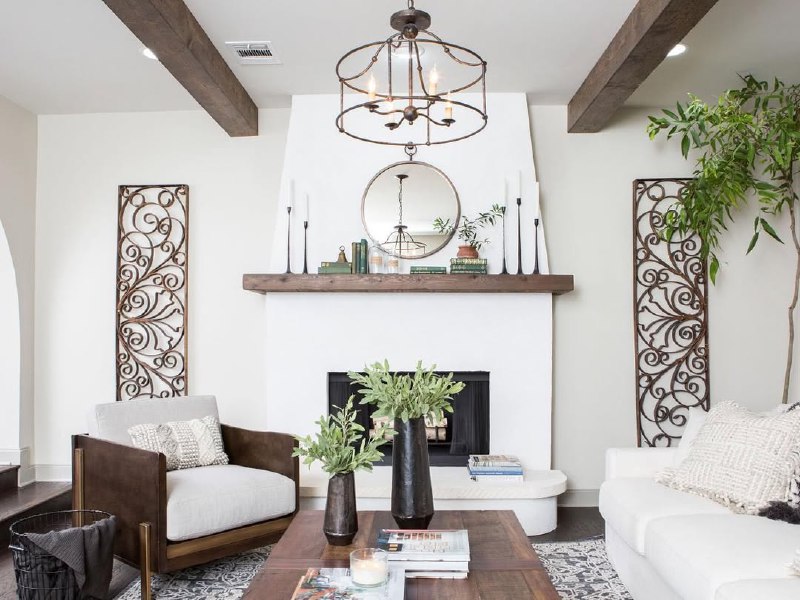
Monochromatic uses varying shades of one color for sophisticated unity. All whites and creams, or varying blues, or different greens.
Analogous colors picks colors next to each other on the color wheel. Blues and greens, or oranges and reds work harmoniously.
Complementary accents uses your room’s existing colors. If you have blue walls, add blue elements to the mantel.
Neutral base with color pops keeps most items neutral with one or two colorful accent pieces.
All neutral in whites, creams, beiges, and natural materials creates calm elegance.
Whatever approach you choose, limiting your color palette creates cohesion even with varied objects.
Seasonal Mantel Styling
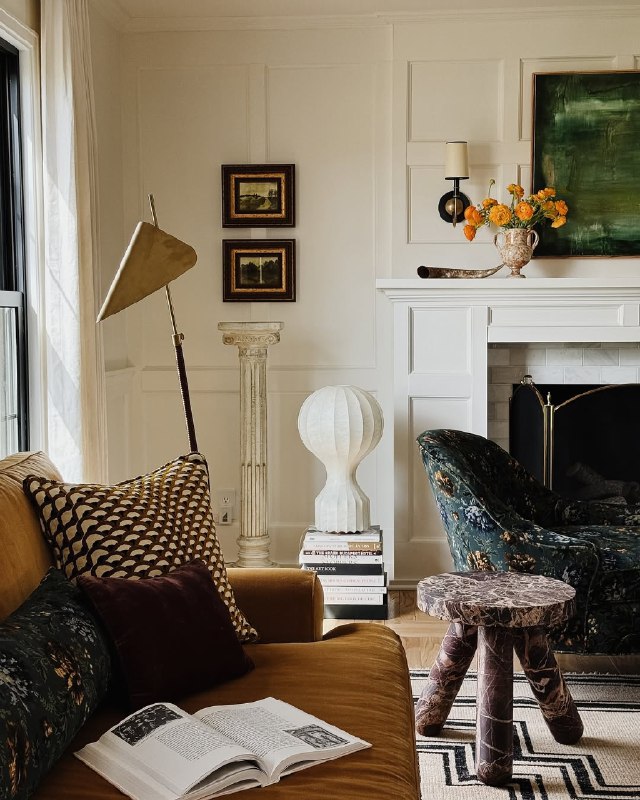
Spring brings fresh flowers, pastel colors, lighter elements, and botanical prints or objects.
Summer incorporates bright colors, coastal elements, fresh greenery, and airy, light feeling.
Fall features warm colors, pumpkins or gourds, dried flowers or leaves, and cozy textures.
Winter includes evergreen branches, metallics, candles for ambiance, and rich textures.
Holidays get specific decorations while maintaining your overall aesthetic approach.
Rotating seasonal elements keeps your mantel feeling fresh without requiring complete overhauls.

Style-Specific Ideas
Modern minimal uses one or two sculptural pieces, clean lines, monochromatic palette, and lots of negative space.
Farmhouse cozy incorporates natural wood elements, vintage finds, galvanized metal, and warm neutral tones.
Traditional elegant features symmetrical arrangement, classic candlesticks, formal artwork or mirror, and refined objects.
Bohemian eclectic layers plants, colorful objects, varied textures, and collected pieces from travels.
Coastal casual brings whites and blues, natural textures, beach-found objects, and light airy feeling.
Industrial edge uses metal elements, exposed or raw materials, minimal decoration, and functional beauty.
Match your mantel to your room’s existing style for cohesive design.
Common Mistakes to Avoid
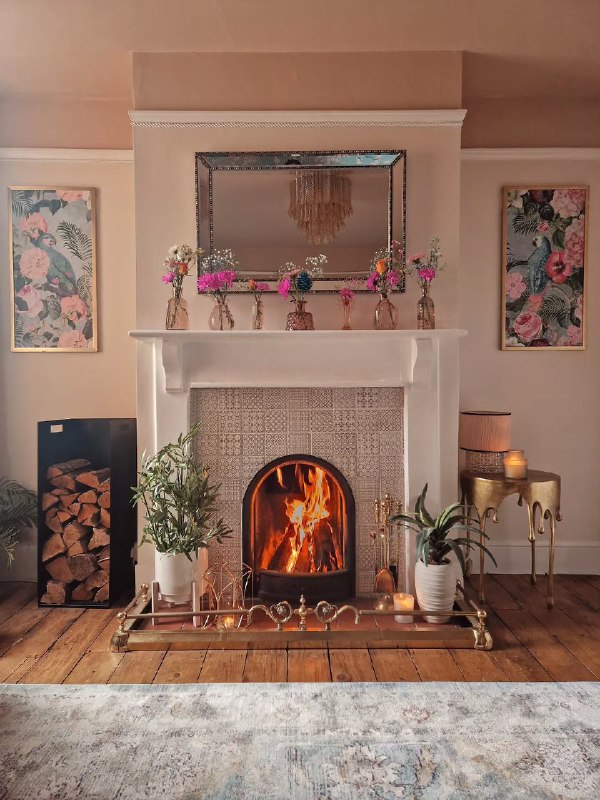
Everything the same height creates a flat, boring look. Vary your heights deliberately.
Too many small items makes it look cluttered and busy. Fewer, larger pieces have more impact.
Pushing everything to the back wastes depth. Layer items at different distances from the wall.
Ignoring scale with items too small for the mantel or too large for the space.
Overcrowding leaves no breathing room. Negative space is part of good design.
Forgetting about the TV if you have one above the mantel. Work around it rather than ignoring it.
Not considering the view from seating since that’s how you’ll see it most often.
These mistakes are easy to make but also easy to fix once you’re aware of them.
Working with a TV Above the Mantel
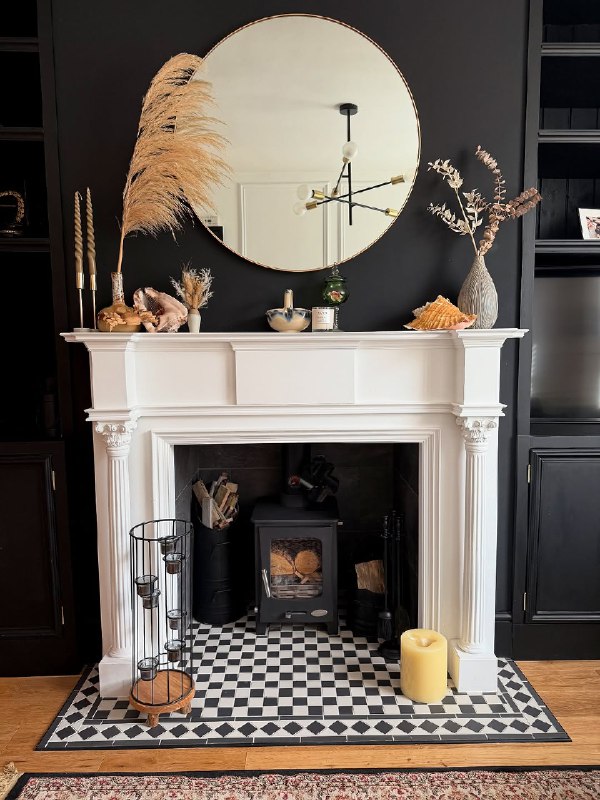
This is tricky but manageable. Keep the mantel simple so it doesn’t compete with the TV. Use low-profile items that don’t block the screen. Consider the TV as your focal point and style around it. Frame the TV with symmetrical items on either side. Use the mantel for functional items like remotes in a decorative box.
Or embrace it by making the TV part of the design. Some people add a frame around the TV or use art mode displays that show artwork when not in use.

Mantel Styling for Different Mantel Types
Traditional wood mantel works with almost any style. Use it to ground your design.
Modern floating shelf mantel suits minimalist or contemporary styling. Keep it clean and simple.
Brick or stone surround has texture that’s part of the design. Don’t fight it, work with it.
No mantel at all can still have styling on the wall and floor around the fireplace using the same principles.
Non-working fireplace becomes purely decorative. You can put items inside the firebox too.
Adapt your styling to work with what you have rather than against it.
Starting Your Mantel Styling
Clear everything off and start fresh. Sometimes you need to see the blank slate.
Choose your focal point first. Mirror, art, or central object anchors everything else.
Add your tallest elements next to establish height.
Place medium items working around your focal point and tall pieces.
Fill in with smaller items only where needed. Don’t fill every gap.
Step back frequently to check balance and composition from across the room.
Edit ruthlessly. If something isn’t working, remove it.
Live with it for a few days before declaring it done. Sometimes things that look good initially don’t work long-term.
Maintaining Your Styled Mantel
Dust regularly since mantels collect it quickly. Once a week minimum.
Refresh seasonal elements every few months to keep it feeling current.
Don’t let it become a dumping ground for random items. If something doesn’t belong, find it a proper home.
Adjust as needed based on what’s working. Styling isn’t permanent.
Photograph it when you love how it looks so you can recreate it or remember what worked.
The goal is creating something that looks good and makes you happy when you see it daily, not achieving Pinterest perfection.
Your mantel should reflect your style, your life, and what brings you joy. Whether that’s minimalist elegance or abundant collection of meaningful objects, make it yours and make it intentional.