Can we talk about how sometimes journaling just feels like you’re going in circles?
Like you sit down, pen in hand, ready to process something or brainstorm or figure out your life, and you end up writing the same anxious thoughts in slightly different words for three pages and feel approximately no better than when you started.
Here’s what changed things: mind mapping. Specifically, bringing mind mapping into a journaling practice in a way that’s less “corporate strategy meeting” and more “actually understanding what’s going on in my brain.”
Because here’s the thing about mind maps – they work the way brains actually work. Not in neat linear lists, not in perfectly structured paragraphs, but in webs and connections and tangents that loop back around and suddenly make sense in a way that sequential writing never quite captures.
What Even Is Mind Mapping in a Journal Context
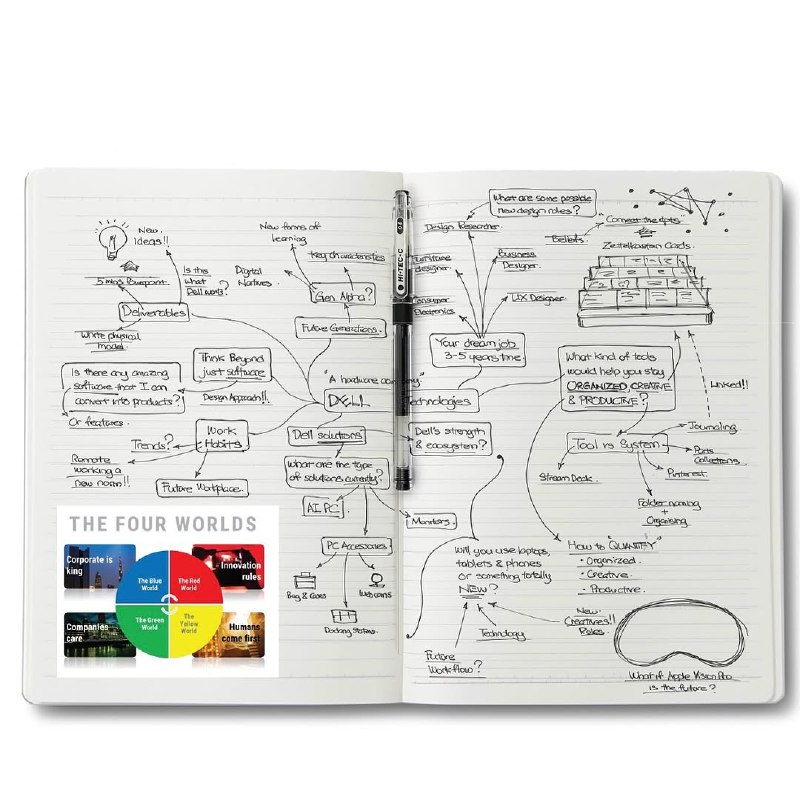
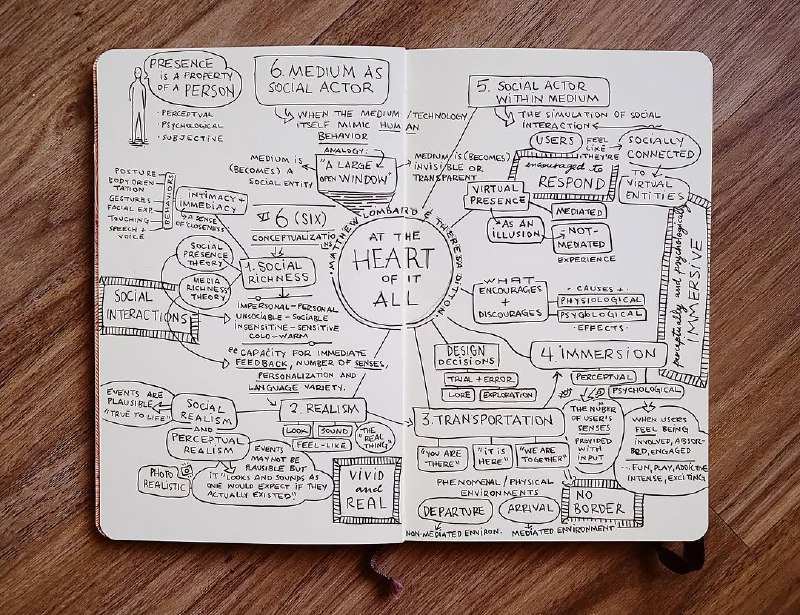
A mind map starts with a central idea – one word, phrase, image, or question – placed in the middle of a page. From that center, you draw branches outward representing related ideas, thoughts, associations, and connections. Those branches grow their own smaller branches until the page is this beautiful, messy, revealing web of everything your brain associates with that central concept.
It’s not linear. It’s not organized. It’s not supposed to be perfect. That’s the entire point.
In a journaling context, mind mapping becomes less about planning and more about excavation. You’re not organizing what you already know – you’re discovering what you didn’t realize was there.
Why It Works
It bypasses your inner critic. When you’re writing sentences and paragraphs, there’s a tendency to edit as you go. Mind mapping is fast and branching and visual enough that the inner critic can’t keep up.
It mirrors how memory and association work. One thought genuinely leads to another leads to another. Mind mapping honors that instead of forcing artificial linearity.
It reveals connections you didn’t know existed. How many times have you looked at a finished mind map and been surprised by a branch that connected back to something on the other side of the page? That’s your brain showing you something important.
It’s visual. For people who think spatially or visually, seeing thoughts laid out on a page rather than stacked in lines is genuinely revelatory.
The Basic Setup
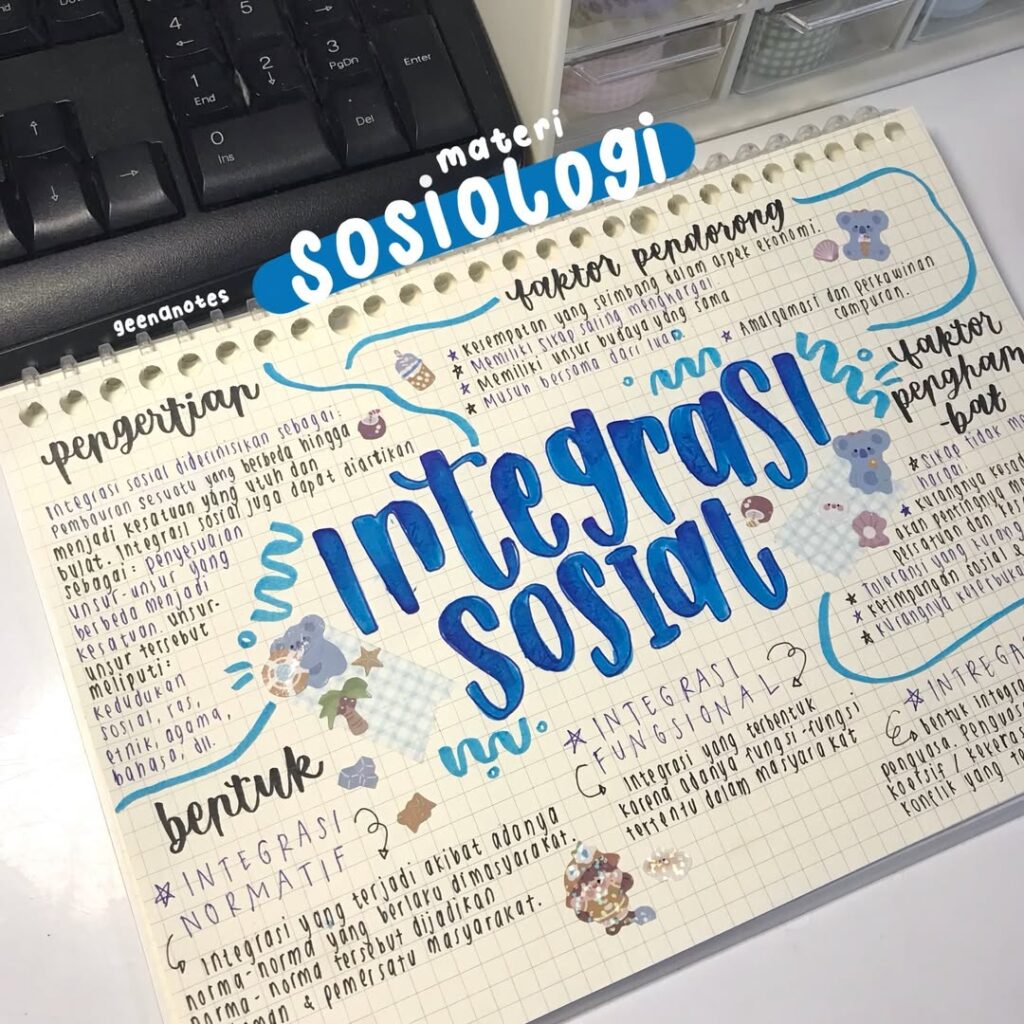
Journal Choice Unlined or dot grid pages work best for mind mapping. A larger format journal gives you more room to expand.
Pen Situation Start with one pen for the initial burst, then use colors to categorize or add layers afterward.
The Process Write your central concept in the middle of the page and circle it. Draw four to six main branches outward – these are your primary associations. Don’t overthink them. From each main branch, let smaller branches grow. Don’t edit, don’t judge, just keep branching until you run out of ideas or space. Then step back, look at the whole thing, circle recurring themes, and connect related branches with dotted lines.
Mind Mapping Ideas for Emotional Processing
The Feeling Web Start with a specific emotion in the center – not just “sad” but “the anxiety I felt in that meeting.” Branch outward with physical sensations, memories it connects to, situations that trigger it, what it makes you want to do, and what you’re afraid it means.
The Conflict Map When you’re in the middle of a difficult situation with someone, put the conflict in the center. Branch into what they might be feeling, what you’re feeling, what you actually want, what you’re afraid of, and what a resolution might look like. It creates enough distance to see the whole picture.
The Anxiety Unpack Put your anxiety in the center and let it all come out in branches. Specific fears, worst-case scenarios, where they came from, evidence that contradicts them, what you can control, what you can’t. Getting it out of your head and onto paper makes it feel way more manageable.
The Anger Excavation Anger is often a secondary emotion covering something more vulnerable. Start with the anger and keep branching until you hit the fear, hurt, or unmet need underneath it.
Mind Mapping for Self-Discovery
The Values Map Start with “what matters most to me” in the center and branch outward without filtering. Then look at what you’ve written. Are you actually living in alignment with what’s on that page?
The Identity Web Put your name in the center and branch into every role you play and every way you define yourself. Then look at which branches feel most alive and which feel like obligations.
The Story I Tell Myself Put a belief you hold about yourself in the center – “I’m bad at commitment” or “I don’t deserve nice things.” Branch into where that story came from, evidence that supports it, evidence that contradicts it, and what you’d gain by releasing it.
The Fear Inventory All your fears in the center, big and small. Branch each fear into where it came from, how it’s holding you back, and what you’d do if you weren’t afraid.
Mind Mapping for Goals and Dreams
The Dream Dump Put “someday I want to” in the center and let everything come out. No filtering for practicality. Career stuff, life stuff, experiences, places, creative projects – everything gets a branch.
The Goal Anatomy Take one specific goal and put it in the center. Branch into why you want it, what’s stopping you, what you need to learn, what a first step looks like, and what you’re afraid will happen if you actually achieve it. That last one is surprisingly revealing.
The Obstacles Map Take the thing you keep procrastinating on and put it in the center. Branch into every single reason you haven’t done it yet. Be brutally honest. Then branch each obstacle into what would solve it. Usually reveals that the real blocker is one specific thing you’ve been avoiding looking at directly.
Mind Mapping for Creativity
The Story Seed Writers, this one’s for you. Put a single word, image, or “what if” question in the center and branch into characters, settings, conflicts, themes, and sensory details. Let a story grow organically.
The Creative Block Map Center on “why I’m not creating right now” and branch honestly. Fear of judgment, perfectionism, not knowing where to start, comparing yourself to others. Naming the block is often half the battle.
The Project Brain Dump When starting a creative project, do a massive mind map before you plan anything. Get every idea, however wild, onto the page. Then look for patterns and connections that suggest a direction.
Mind Mapping for Relationships
The Relationship Map Put a specific relationship in the center. Branch into what you love about them, what’s challenging, what you need that you’re not getting, what they might need from you, and what you wish was different. Useful before a difficult conversation.
The Gratitude Web Instead of a linear gratitude list, map it. Put gratitude in the center and branch into people, experiences, qualities in yourself, and small daily moments. Much more expansive than a list.
The Boundaries Map Where do you struggle with boundaries? Branch into specific situations, what you’re afraid will happen if you say no, what actually happens when you don’t hold the boundary, and what you want instead.
Mind Mapping for Decision Making
The Pro/Con Evolution Better than a basic pro/con list. Put the decision in the center. Branch into pros, cons, fears, values this aligns or conflicts with, what your gut says, and how you’d feel in five years either way.
The Worst Case/Best Case Map Branch into the realistic worst and best case for each option. Then branch each into “could I handle this?” Usually reveals that the worst case is survivable and the best case is worth pursuing.
Making Your Mind Maps Beautiful
Color Coding Assign colors to different emotional tones or categories. Makes patterns instantly visible.
Adding Small Illustrations Tiny drawings alongside words make the map more memorable. Stick figures and simple symbols work perfectly.
Incorporating Washi Tape Highlight important branches or create colorful backgrounds for key concepts.
Varying Line Weights Draw main branches thick, secondary branches medium, tertiary ones thin. Creates visual hierarchy.
Building a Mind Mapping Practice
The Daily Micro Map Five minutes every morning. Central concept is either “today” or whatever’s most present in your mind. Quick branches, no overthinking.
The Weekly Review Map End of week, big page. Branch into what happened, how you felt, what you learned, and what you want to carry forward.
The Pre-Sleep Processing Map Instead of lying awake with a spinning mind, mind map it. Get everything circling in your head onto the page. It genuinely helps quiet the mental chatter.
Tips For When It Feels Awkward
Let it be ugly. Your first mind maps will look messy and unbalanced. That’s fine. They’re working even when they don’t look pretty.
Start with something low stakes. Don’t begin with your deepest trauma. Start with “things I love about autumn” and get comfortable with the format first.
Give yourself a time limit. Ten minutes. Having a boundary helps you move faster and more freely.
Review old maps. Going back to maps you made months ago is genuinely one of the most insightful journaling experiences you can have.
The thing about mind mapping in your journal is that it rewards honesty and penalizes performance. The branches go where they go. The connections reveal what they reveal. And sometimes what they reveal is uncomfortable – but that’s the whole point. The journal is the one place you can see yourself clearly, without the filter.
Mind mapping just makes that clearer. Messier on the page and clearer in the mind. Which is a pretty good trade.