Most of us don’t have the luxury of a dedicated mudroom with built-in benches, individual cubbies, and perfect storage. But we still need somewhere to deal with shoes, coats, bags, and all the stuff that comes in and out of the house daily.
The good news is you can create mudroom functionality almost anywhere. It’s less about the space you have and more about creating designated spots for the things that would otherwise pile up in chaos. Let me show you how to make a mudroom work in your actual space.
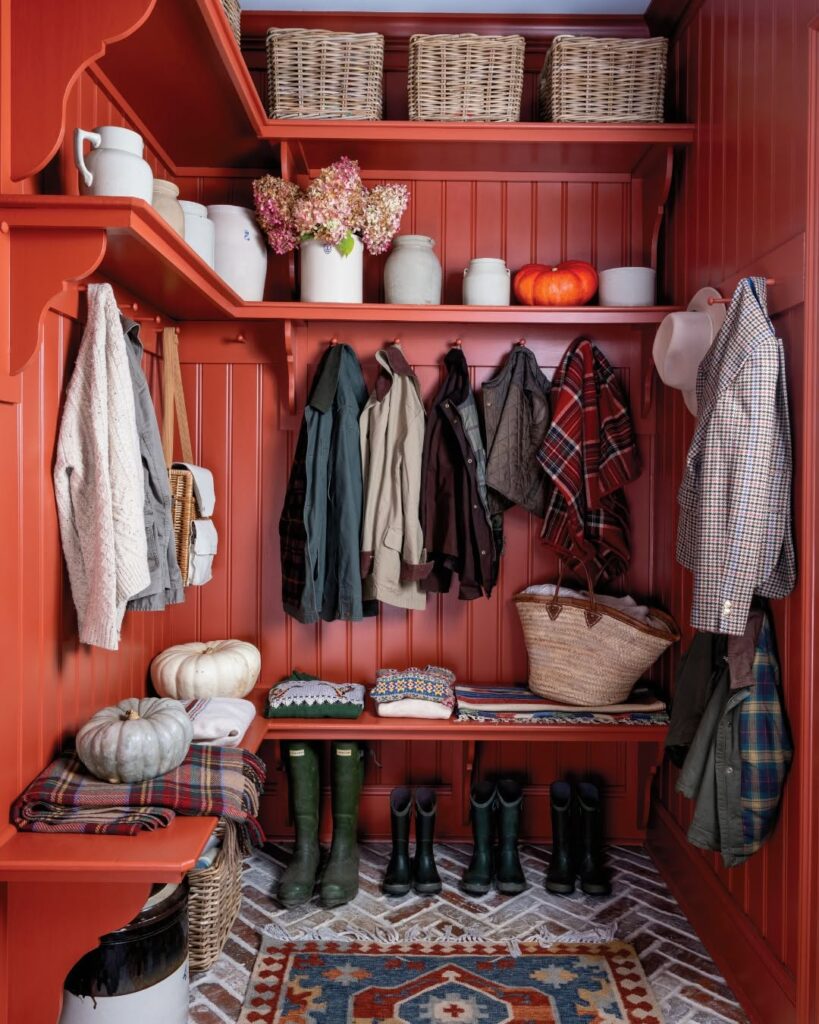
What Makes a Mudroom Work
The goal is simple: contain the mess near the entry so it doesn’t spread throughout your home. A functional mudroom needs somewhere to sit while dealing with shoes, storage for shoes that keeps them contained, hooks for coats and bags, a surface for keys and mail, and storage for seasonal items like hats and gloves.
You don’t need all of these to have an effective mudroom area. Even hitting three out of five makes a huge difference in keeping your entry organized.

Creating a Mudroom in Different Spaces
In an actual mudroom or laundry room, you have the luxury of space. Install wall-mounted hooks or a coat rack, add a bench with storage underneath, use a shoe cabinet or shelving unit, mount a shelf above for additional storage, and include baskets or bins for organizing smaller items.
In an entryway hallway, work vertically. Mount hooks on the wall at different heights, add a narrow console table or floating shelf, place a slim shoe cabinet or basket underneath, and use wall-mounted mail organizers or key hooks above.
In a garage entry, make it functional not pretty. Heavy-duty hooks for coats and bags, industrial shelving for shoes and gear, wall-mounted organizers for tools or sports equipment, a simple stool or bench, and weather-resistant materials that handle dirt and moisture.
Creating one from nothing, define your mudroom zone with a rug that marks the area, wall-mounted hooks and shelves even if there’s no designated space, a small bench or ottoman, and a tray or basket for shoes. The intentionality creates the mudroom even without walls.
The key is adapting mudroom principles to whatever space you have available.
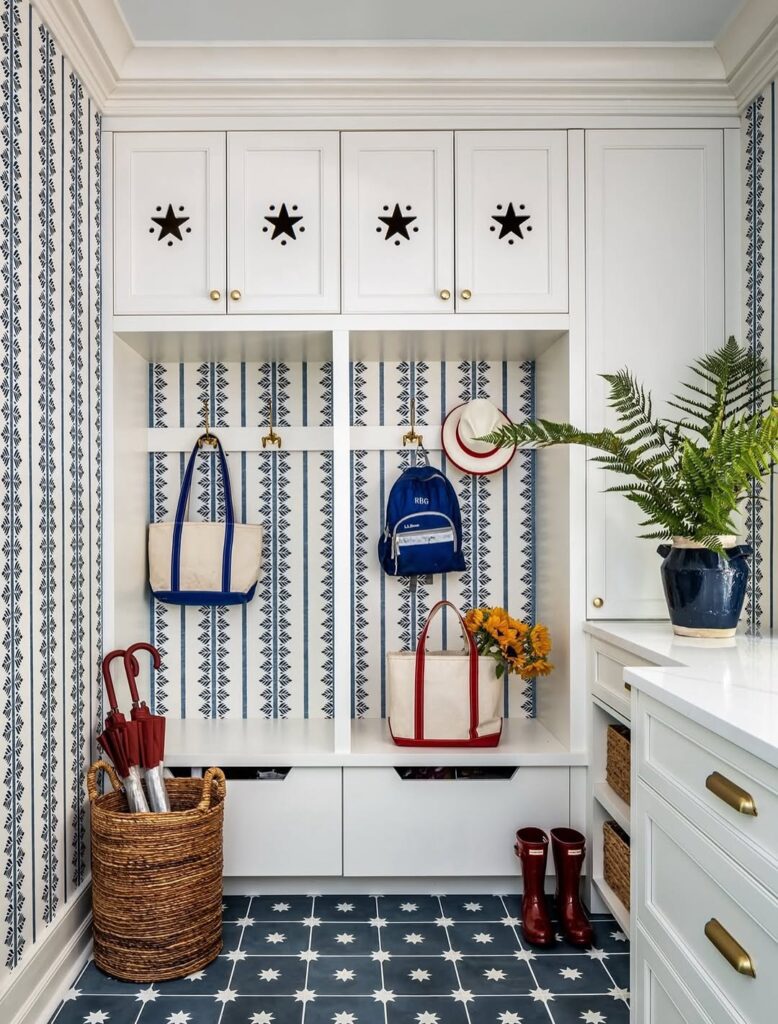
Seating Solutions
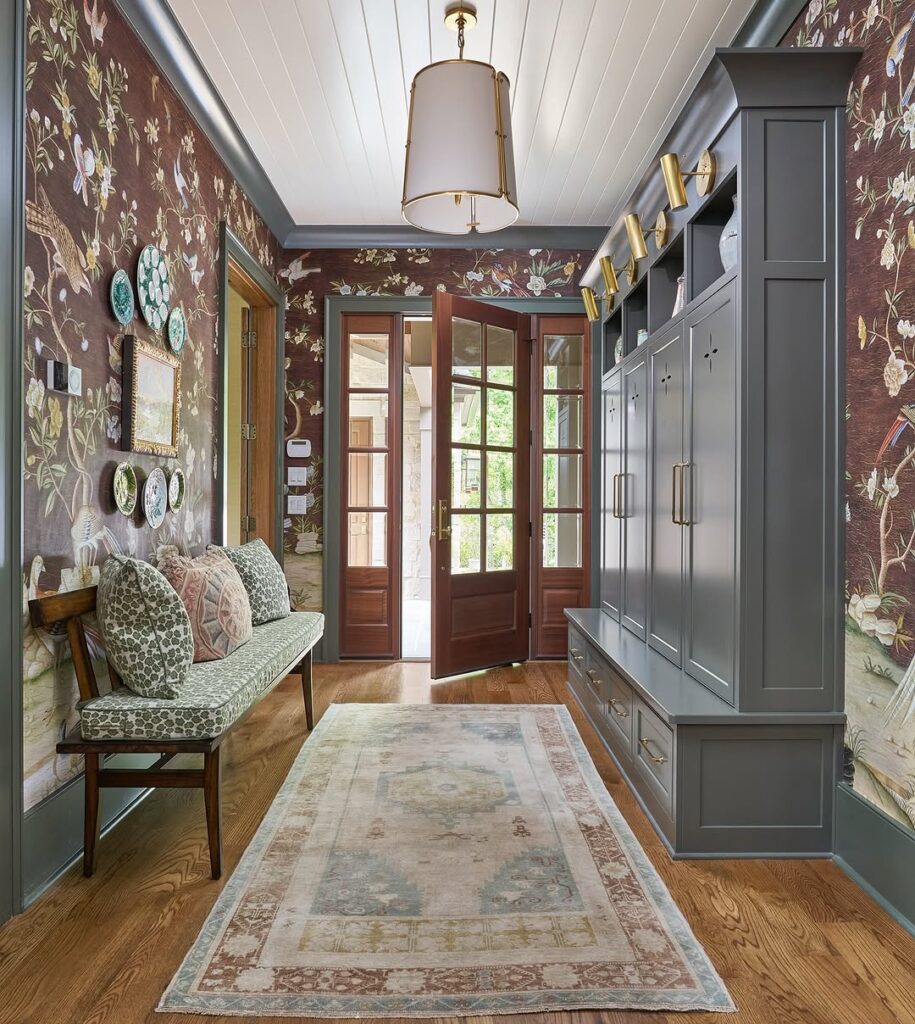
Built-in bench with storage is the dream if you have space and budget. It provides seating and hidden storage for shoes, seasonal items, or bags. This requires either existing built-ins or custom work.
Freestanding storage bench offers similar benefits without permanent installation. Look for benches with lift-up seats or baskets that slide underneath. These range from $80 to $300 depending on size and quality.
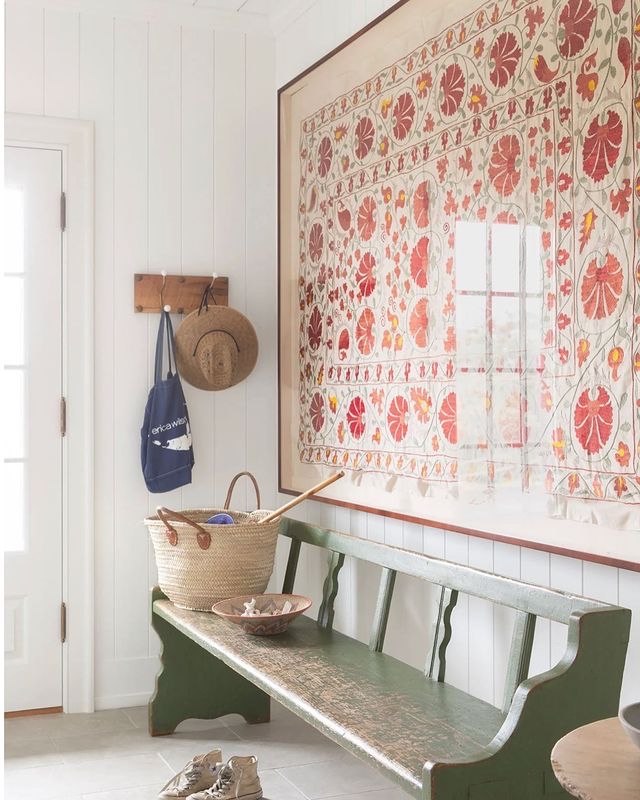
Simple wooden bench provides seating without storage. Add baskets underneath for shoes. This is the most affordable option at $30-100.
Ottoman or small chair works in tiny spaces where a bench won’t fit. Look for storage ottomans that do double duty.
Skip seating entirely if space is too tight. Wall-mounted folding seats or a nearby chair in another room can work. Seating is helpful but not mandatory.
Choose based on your space constraints and budget. Any seating beats no seating when dealing with shoes.

Shoe Storage That Actually Works
Shoe cabinet with doors hides the mess and keeps shoes contained. Slim cabinets designed for entryways take minimal floor space. These work well for small spaces and people who want shoes completely hidden.
Open shoe rack keeps shoes visible and accessible. Works if your shoes are relatively neat and you don’t mind seeing them. Much cheaper than cabinets at $20-50.
Baskets or bins corral shoes in a flexible system. One basket per family member, or organize by shoe type. Easy to grab and relatively contained.
Cubby system gives each person their own designated space. This works especially well for families with kids who need clear organization.
Boot tray for a few pairs of frequently-worn shoes catches dirt and moisture. Keep it near the door for daily shoes, store others elsewhere.
Over-door shoe organizer maximizes unused space. Hang on the back of a nearby door for extra shoe storage without taking floor space.
The best system is the one people will actually use. If it’s too complicated or inconvenient, shoes will end up in a pile on the floor anyway.

Coat and Bag Storage
Wall-mounted hooks are the simplest solution. Install multiple hooks at various heights for different family members. Heavy-duty hooks cost $2-5 each and handle coats, bags, and umbrellas.
Coat rack freestanding options work if you can’t or don’t want to mount things on walls. Range from simple wooden racks to decorative metal ones.
Entryway hall tree combines hooks, bench seating, and sometimes a mirror in one freestanding piece. Good for spaces that need multiple functions in limited square footage.
Closet or cabinet if you have one near your entry. Use it for coat storage and keep other mudroom functions nearby.
Over-door hooks add coat storage without installation. Not as sturdy as mounted hooks but better than nothing.
Coats need somewhere to go immediately when you walk in the door. Make it as effortless as possible.

Mail, Keys, and Daily Items
Wall-mounted mail organizer catches mail and papers as they come in. Add a slot for outgoing mail too.
Key hooks or dish give keys a designated home. Small hooks on the wall or a decorative dish on a surface both work.
Charging station for phones and devices keeps everything in one spot. A small shelf with an outlet and cable management keeps it neat.
Small baskets or trays on a console or shelf organize sunglasses, wallets, masks, and other daily carry items.
Command center if you want to go full organization. Add a calendar, bulletin board, and family schedule in your mudroom area.
The goal is having a specific spot for everything you need when leaving or entering the house.

Seasonal Storage
High shelf or upper cabinets store out-of-season items. Winter hats and gloves in summer, beach bags in winter. Get them out of the way but still accessible.
Baskets on shelves organize by season or family member. Label them clearly so everyone knows what goes where.
Hooks at different heights allow you to rotate what’s hanging based on season. Summer hats up high in winter, winter scarves up high in summer.
Under-bench storage if your seating has it. Perfect for seasonal shoe storage or sports equipment that’s not currently in use.
Rotating seasonal items keeps your mudroom functional year-round without overcrowding.
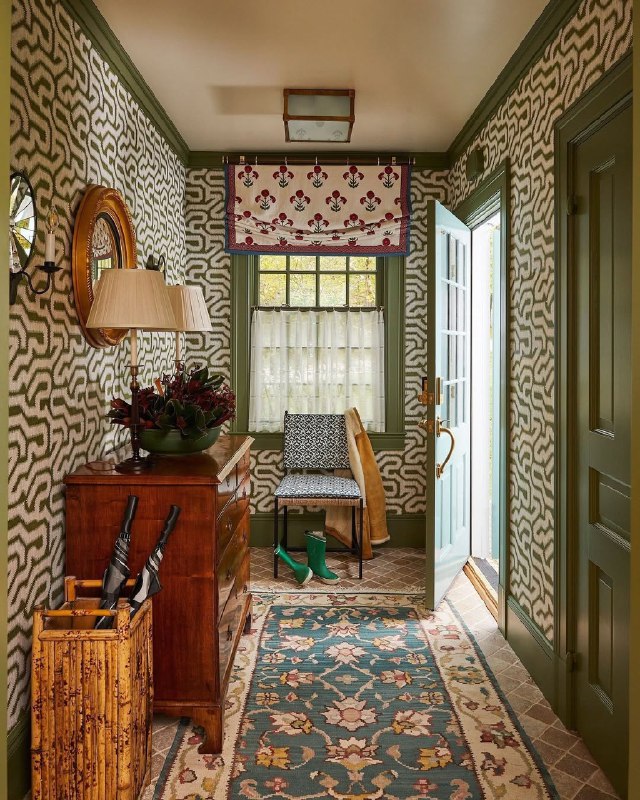
Style Ideas
Farmhouse mudroom features shiplap walls or beadboard, wooden bench and hooks, wire baskets, neutral colors with pops of pattern, and vintage-inspired elements.
Modern minimal keeps clean lines, floating shelves and hidden storage, monochromatic color scheme, sleek hardware, and very little visible clutter.
Industrial style uses metal shelving and hooks, exposed brick or concrete, utilitarian baskets and bins, and dark colors with metal accents.
Coastal casual brings weathered wood, white and blue color palette, rope baskets, nautical touches, and light airy feeling.
Traditional organized maintains coordinated storage pieces, classic wood furniture, matched bins and baskets, and polished functional beauty.
Match your mudroom to your home’s existing style so it feels integrated rather than an afterthought.

Small Space Mudroom Hacks
Use corners with corner shelving units or hooks to maximize unused space.
Go vertical with tall narrow cabinets, stacked shelves, and hooks at multiple heights.
Multi-functional furniture like benches that store shoes, ottomans that hide items, or consoles with baskets underneath.
Utilize doors with over-door organizers for shoes, hooks for bags, or pockets for mail.
Slim everything by choosing narrow profiles for furniture and storage that don’t block walkways.
Define the zone with a runner rug even if you don’t have walls. The rug creates a psychological mudroom area.
Small spaces can still have mudroom functionality with creative solutions.

Budget Mudroom Solutions
DIY bench from lumber and storage cubes costs $50-75 and provides customized seating and storage.
Thrifted furniture like old benches, bookshelves repurposed for storage, or vintage coat racks add character cheaply.
Basic IKEA with their Hemnes, Mackapär, or Pinnig series provides affordable mudroom furniture.
Dollar store baskets organize shoes and items for $1-3 each instead of $20 designer versions.
Simple mounted shelves and hooks from hardware stores create function for under $50 total.
You can create a working mudroom for under $100 with strategic shopping and DIY effort.
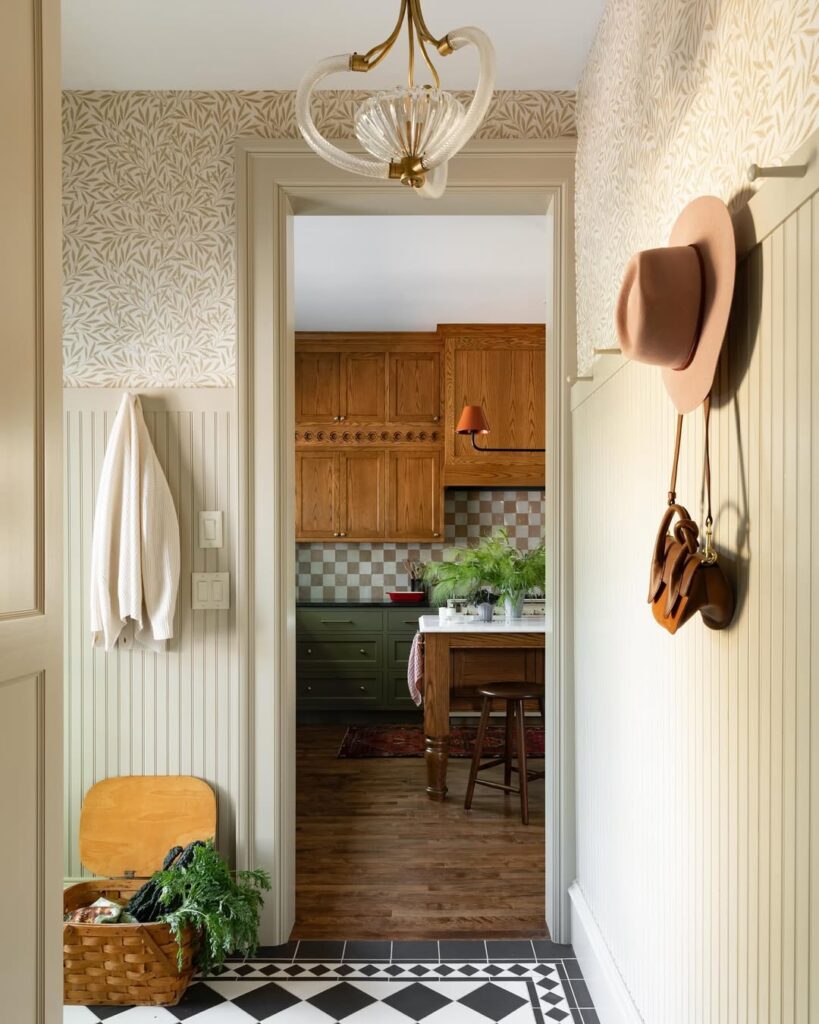
What Actually Gets Used
The simplest systems see the most consistent use. Complicated organization schemes sound good but often get abandoned. Visible storage works better than hidden storage for daily items because people can see where things go. Easy access beats perfect aesthetics because if it’s annoying to use, it won’t get used.
Mudrooms are about function first, pretty second. If it doesn’t work for your actual life and habits, it’s just decorative clutter.
Maintaining Your Mudroom
Daily reset takes two minutes. Hang up stray coats, toss shoes in their designated spot, and sort mail.
Weekly purge removes items that migrated into the mudroom but don’t belong there.
Seasonal switch rotates items every few months to keep it functional and not overcrowded.
Enforce the system by making sure everyone knows where things go and actually puts them there.
Organization only works when maintained. Build quick daily habits to keep your mudroom functional.
The Difference It Makes
A functional mudroom contains the chaos that would otherwise spread through your home. Shoes stay in one spot instead of scattered everywhere. Coats have homes instead of piling on furniture. Keys don’t get lost. Mail doesn’t become piles on the kitchen counter.
It’s not about having Pinterest-perfect built-ins. It’s about creating systems that work for how you actually live. Even basic mudroom functionality dramatically improves daily life.
Start with the biggest pain point—maybe it’s shoes everywhere, maybe it’s coat chaos—and solve that first. Build your mudroom solutions gradually based on what you actually need, not what looks good in photos.
Your mudroom doesn’t need to be a room at all. It just needs to function. That’s honestly all that matters.