There’s something about old money aesthetics that just feels timeless. It’s not about showing off—it’s about quality, heritage, and spaces that look like they’ve been curated over generations rather than bought all at once. The good news? You don’t need an actual trust fund to capture this vibe.
Here’s how to bring old money elegance into your space, even on a regular budget.
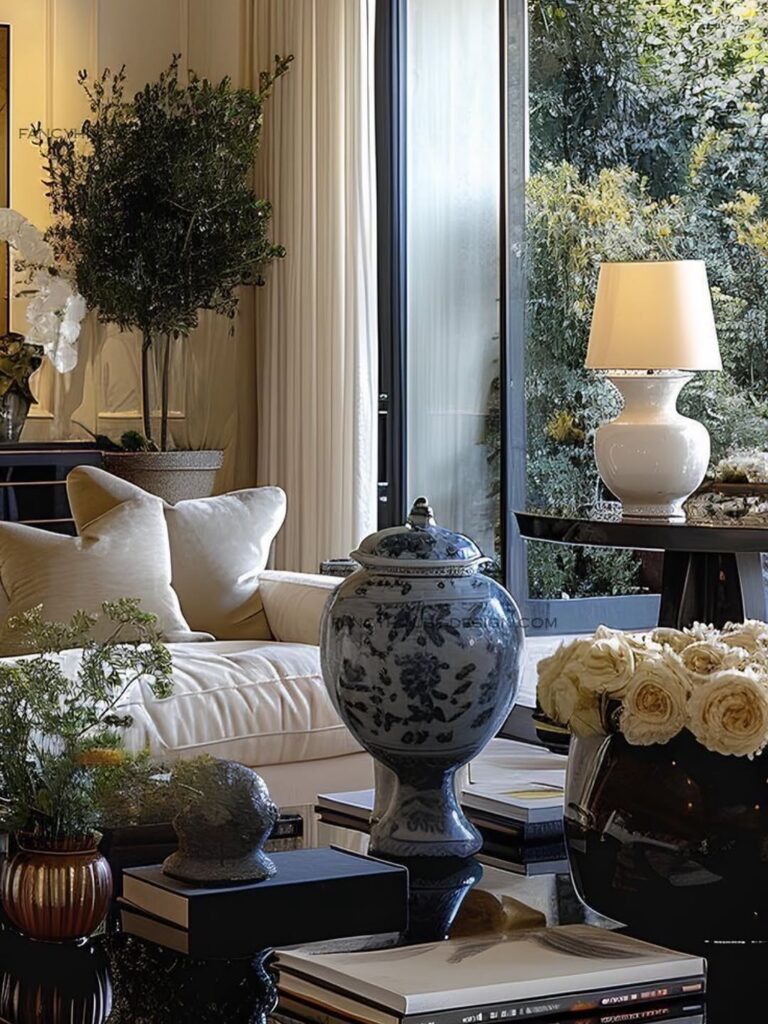
What Actually Is Old Money Decor?
Think less “maximalist mansion” and more “inherited summer house that’s been in the family since 1920.” Old money decor is about understated elegance, classic pieces, and a lived-in feel. Nothing screams “I just bought this.” Everything whispers “this has been here forever.”
The key principles: quality over quantity, neutral palettes with rich textures, antique or antique-inspired pieces, and zero flashy logos or trendy statements.
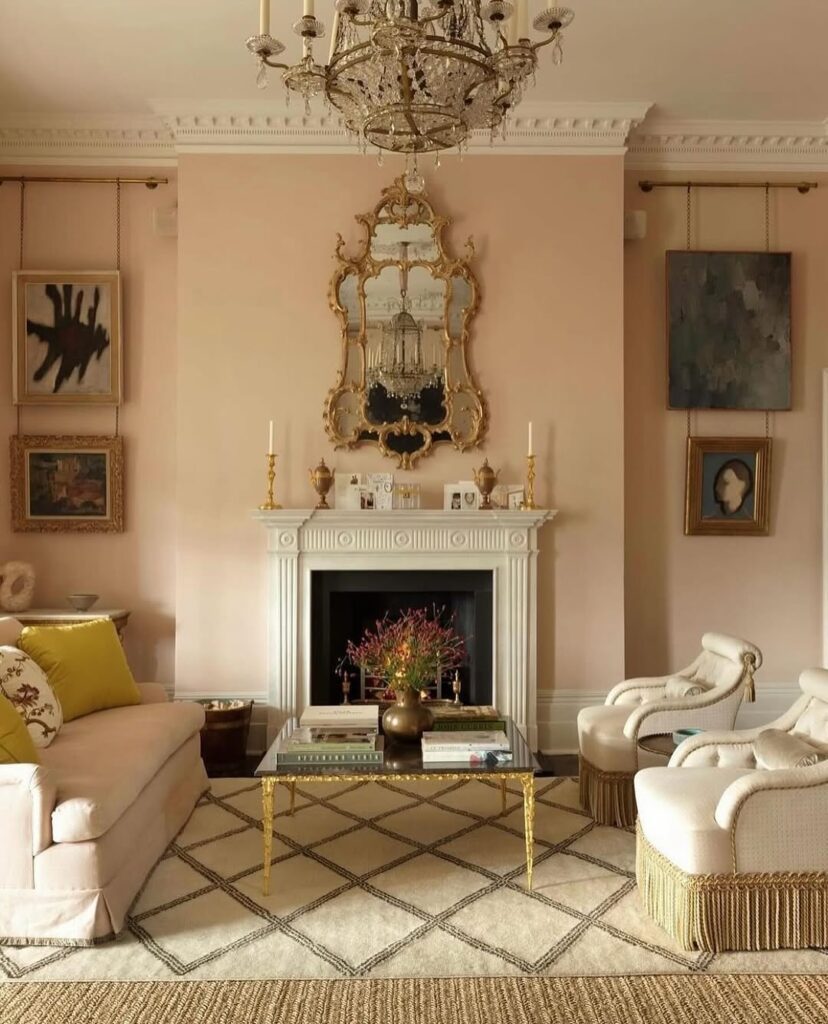
Start with a Neutral Foundation
Old money spaces lean heavily on creams, beiges, warm whites, soft greys, and muted greens. These aren’t boring neutrals—they’re sophisticated backdrops that let the quality of your pieces shine.
Paint walls in classic shades like Benjamin Moore’s White Dove or Farrow & Ball’s Elephant’s Breath. Use wallpaper sparingly, and when you do, go for subtle patterns like thin stripes, delicate florals, or damask in muted tones.
The floor situation matters too. If possible, hardwood in natural tones or quality laminate that looks like aged oak works well. Layer with traditional rugs—Persian, Oriental, or classic patterns in faded, vintage-looking colors.
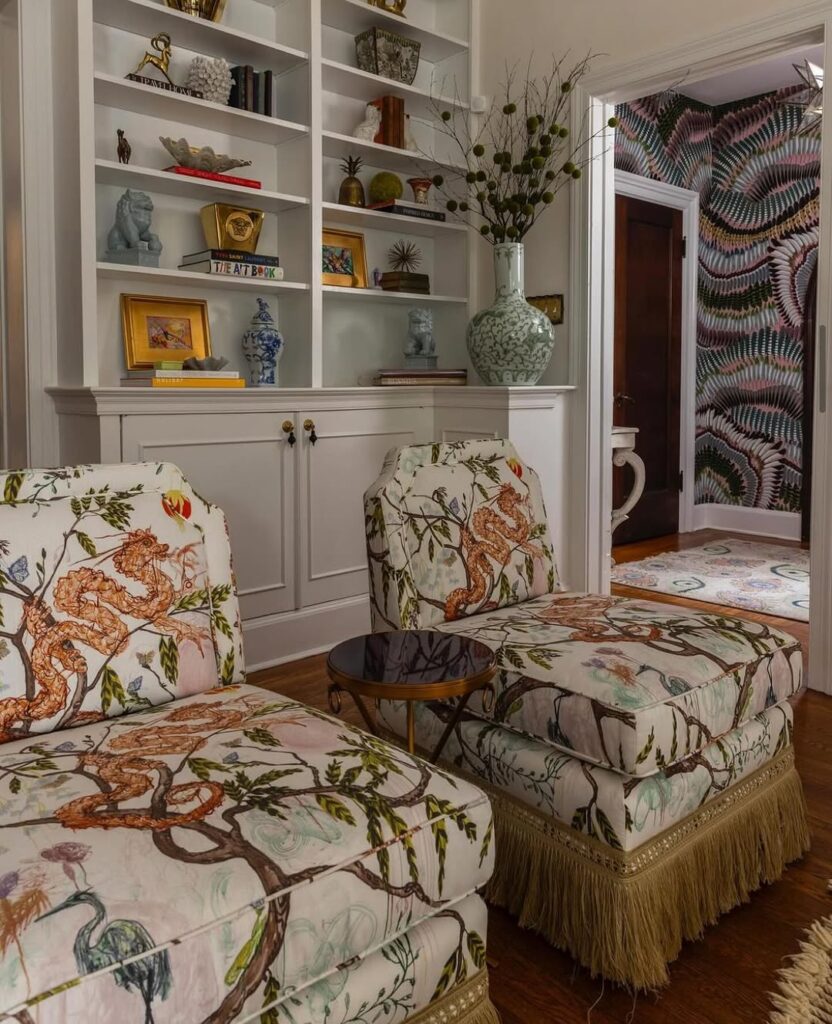
Invest in Classic Furniture (Or Fake It)
The goal is furniture that looks like it could’ve been inherited. Think Chesterfield sofas, wingback chairs, wooden coffee tables with turned legs, and antique or antique-style side tables.
Thrift stores, estate sales, and vintage shops are goldmines for this aesthetic. A solid wood dresser from the ’60s fits perfectly into old money decor. Facebook Marketplace often has people selling grandma’s furniture for surprisingly little.
Can’t find the real thing? Retailers like Pottery Barn, Restoration Hardware (if you catch a sale), and even Target’s threshold line offer pieces with classic silhouettes. The trick is choosing simple, timeless shapes over trendy designs.
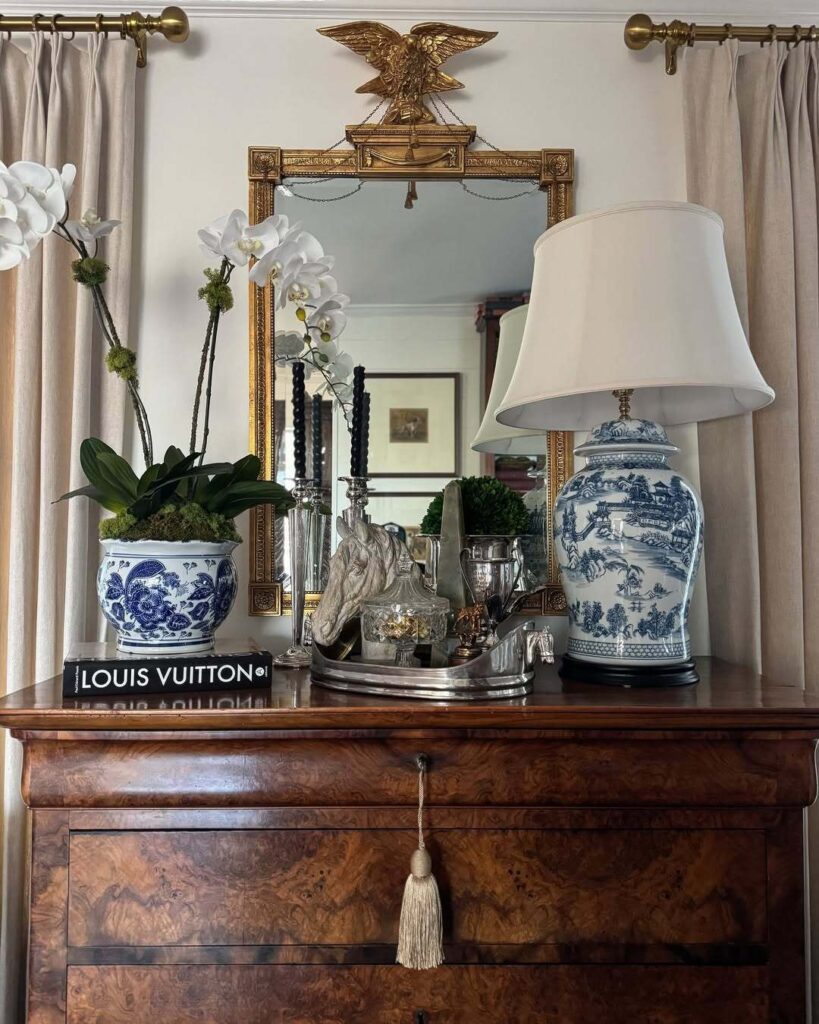
Layer Textures Like It’s Your Job
Old money homes feel rich because of texture, not because of how much things cost. Layer linens, velvets, wools, silks, and natural fibers throughout the space.
Linen curtains in cream or white that puddle slightly on the floor create instant elegance. Velvet throw pillows on a neutral sofa add depth. A chunky knit throw draped over a chair looks effortlessly luxe. Wool or silk rugs underfoot complete the layered look.
Even bedding matters—crisp white or cream linen sheets, a quilted coverlet, and a few carefully chosen pillows in muted tones create that “expensive hotel but make it a country estate” vibe.
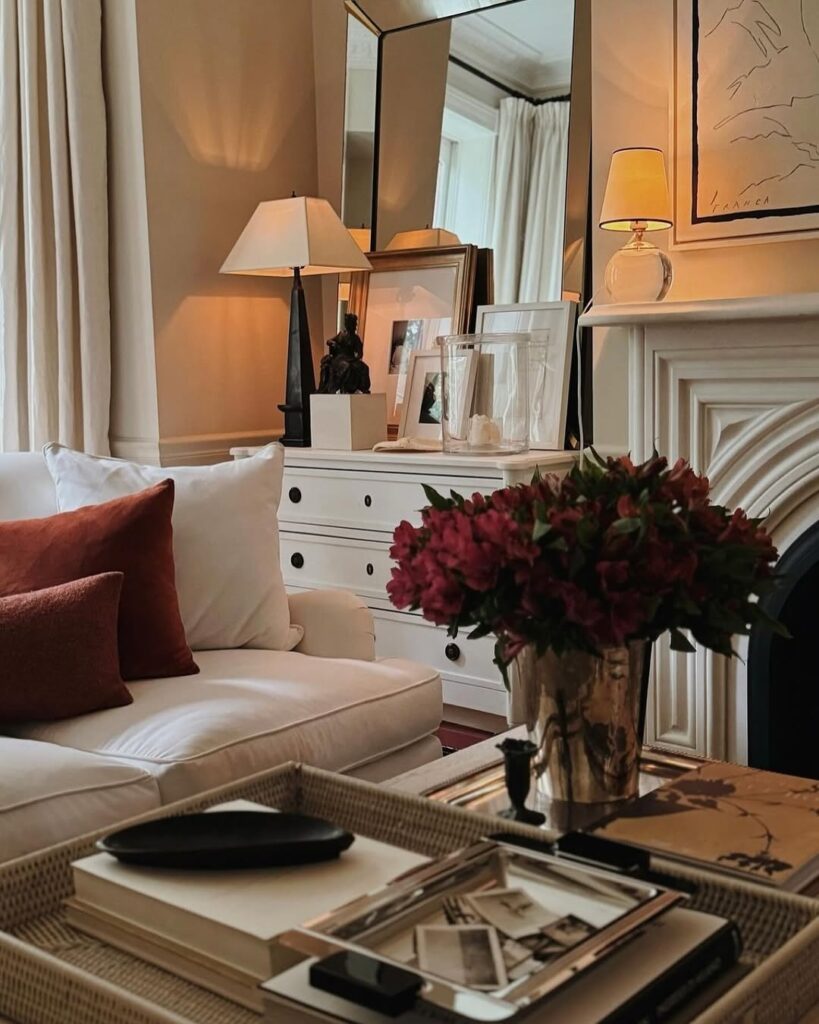
Art and Accessories: Curated, Not Cluttered
Old money decor doesn’t do gallery walls of random prints. Instead, think a few well-chosen pieces: classic oil paintings (real or high-quality reproductions), vintage botanical prints, black and white photography in simple frames, or abstract art in muted tones.
Thrift stores often have old paintings and prints that work perfectly. Look for pieces with aged frames or paintings of landscapes, still life, or portraits. Even if the art itself isn’t museum-quality, the right frame and subject matter sell the aesthetic.
For accessories, less is more. Display items with purpose: a stack of hardcover books with beautiful spines, a vintage brass tray on the coffee table, a classic table lamp with a linen shade, fresh flowers in a simple vase, or a marble chess set.
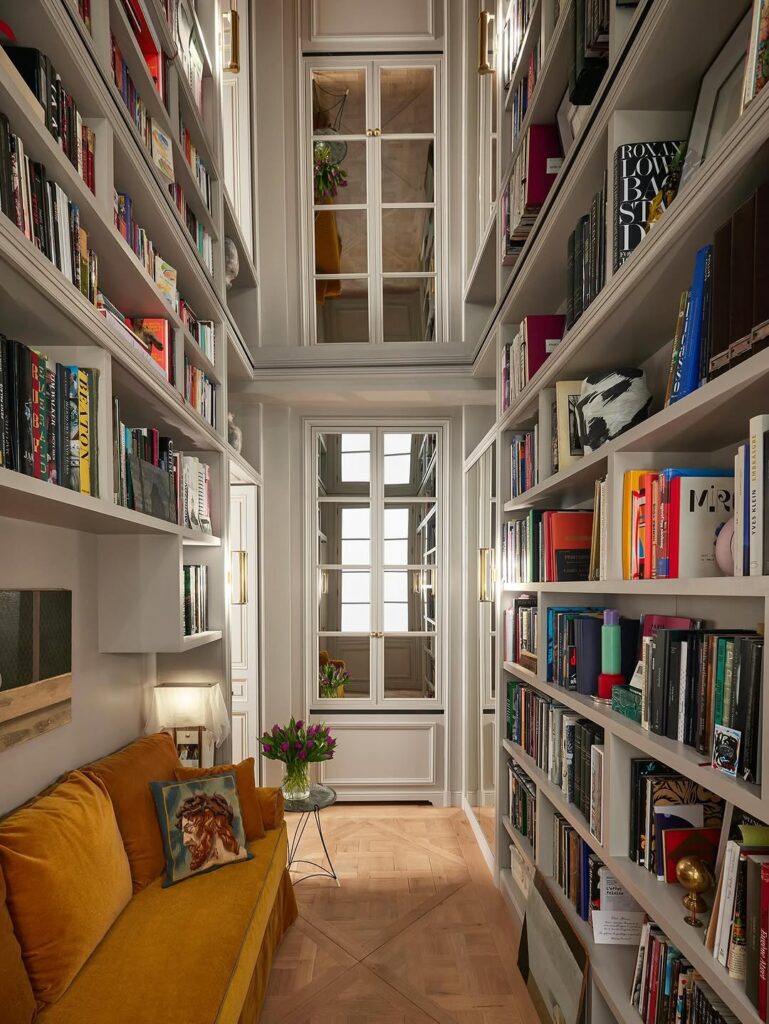
The Library/Study Aesthetic
If there’s one room that screams old money, it’s a proper library or study. Floor-to-ceiling bookshelves filled with actual books (not just decorative spines), a leather armchair or reading nook, a solid wood desk, and warm lighting create instant credibility.
Don’t have a whole room? Create a reading corner. A comfortable chair, a small bookshelf, a side table with a traditional lamp, and you’ve got the vibe.
Books can be sourced cheaply from thrift stores, library sales, or those “free books” boxes. Hardcovers with classic designs work best. Organize by color if you want (controversial, but it can look good) or keep spines showing for that authentic library feel.
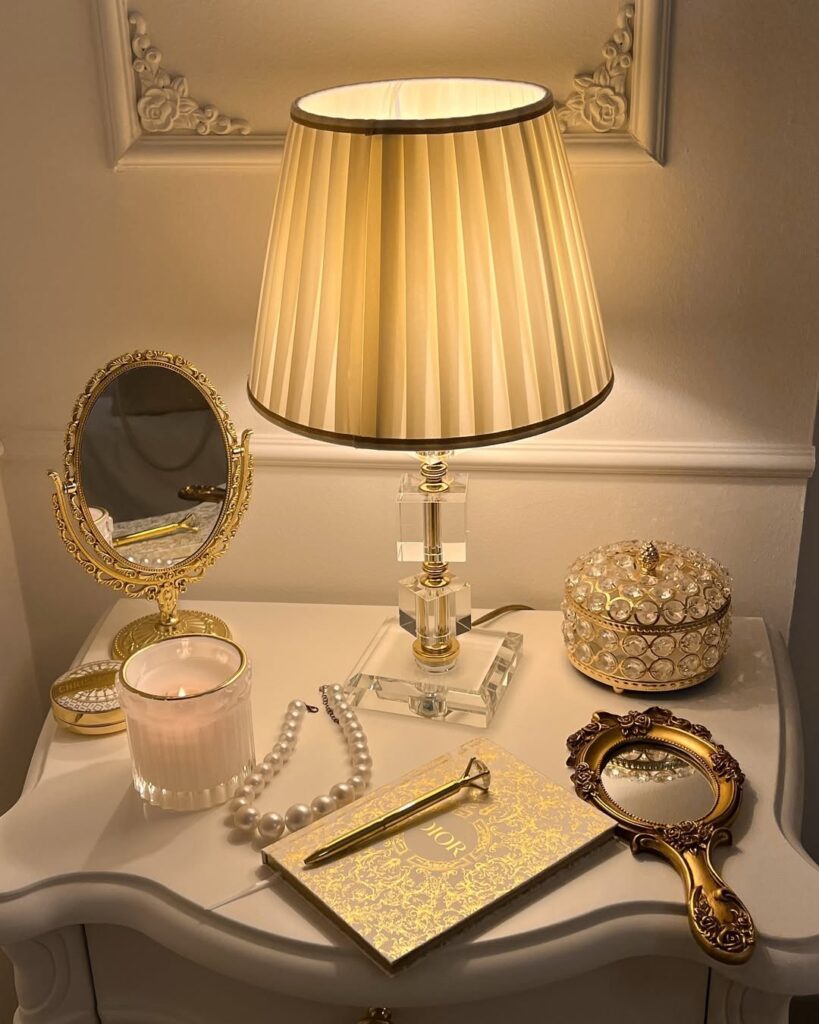
Lighting: Warm and Layered
Overhead lighting is fine, but old money spaces rely on layered lighting. Table lamps, floor lamps, sconces, and candles create warmth and depth.
Look for lamps with traditional bases—ceramic, brass, or wood—and simple linen or silk shades. Antique or vintage-style fixtures work beautifully. Warm-toned bulbs (2700K) are essential—no harsh white light.
Candles in simple holders, placed on mantels or side tables, add to the ambiance. Skip anything overly scented; subtle or unscented works better for this aesthetic.
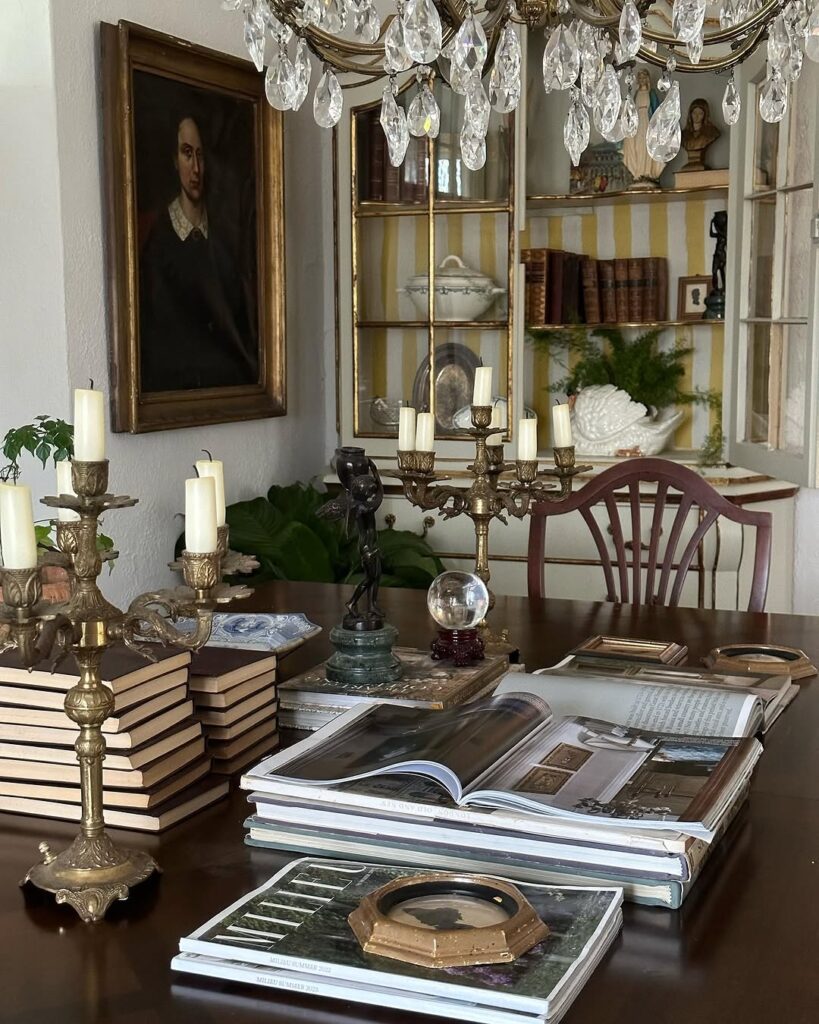
Bring Nature Inside
Old money homes always have fresh flowers or greenery. It doesn’t have to be elaborate—a simple arrangement of white tulips, eucalyptus branches, or even grocery store flowers in a classic vase works.
Stick to ceramic, glass, or metal vases in simple shapes. Avoid anything too modern or brightly colored. Change them regularly so they always look fresh.
Houseplants work too, but keep them classic: fiddle leaf figs, snake plants, or pothos in traditional planters rather than trendy ceramic faces or neon pots.
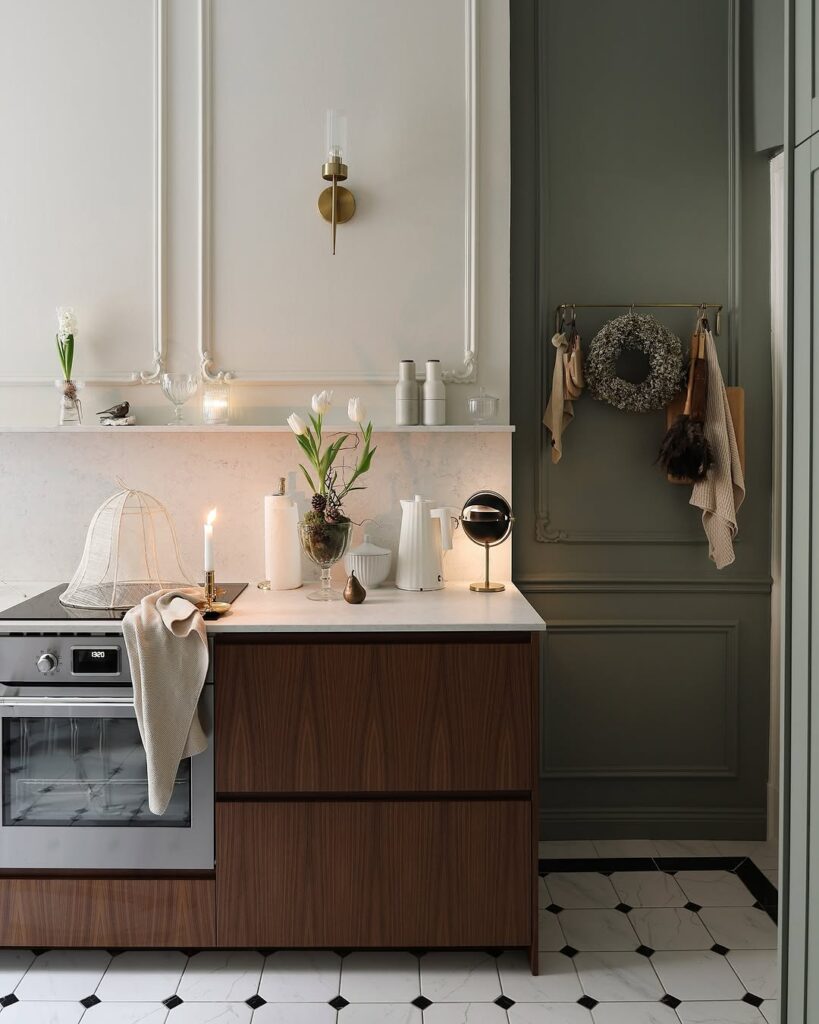
The Kitchen and Dining Room
Kitchens in old money homes tend toward classic rather than ultra-modern. If you’re decorating, think white or cream cabinetry, marble or butcher block countertops (or affordable lookalikes), and open shelving displaying simple white dishes or vintage finds.
For the dining room, a solid wood table (doesn’t have to be huge, just real wood), simple chairs, and classic white or cream dinnerware create the foundation. Add cloth napkins, simple glassware, and maybe some vintage silverware from a thrift store.
A sideboard or buffet for storing dishes and linens fits the aesthetic perfectly. Top it with a table lamp, a small plant, or a serving tray.
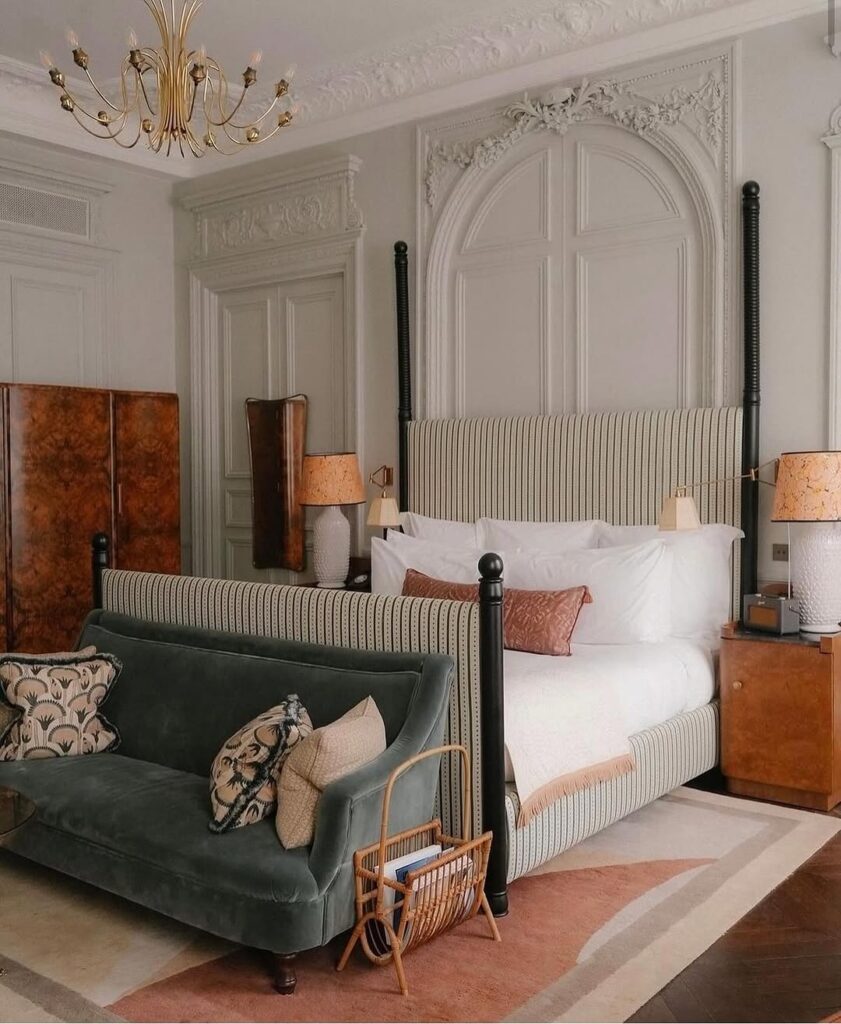
Bedroom: Quiet and Serene
Old money bedrooms are sanctuaries, not showrooms. Keep it simple with a quality bed frame (wood or upholstered in neutral fabric), crisp bedding, and minimal decor.
A proper headboard makes a difference—even an affordable upholstered one in linen or velvet elevates the space. Nightstands should match or complement each other, topped with classic lamps and maybe a small stack of books.
Keep decor minimal: a piece of art above the bed, a mirror, or a single photograph in a simple frame. The goal is restful, not cluttered.
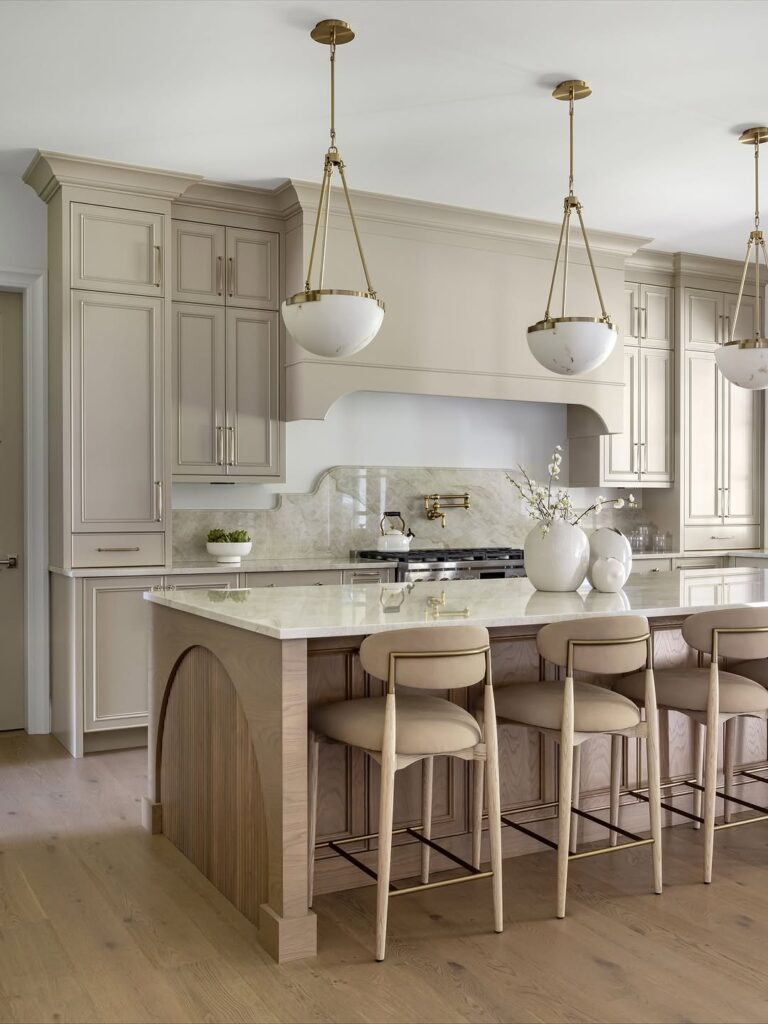
What to Avoid
A few things break the old money illusion fast:
- Anything with visible logos or branding
- Overly trendy pieces that scream a specific year
- Lots of metallics (especially rose gold)
- Gallery walls with mismatched frames
- Neon signs or quirky slogan art
- Plastic or acrylic furniture
- Too many small decorative items crowding surfaces
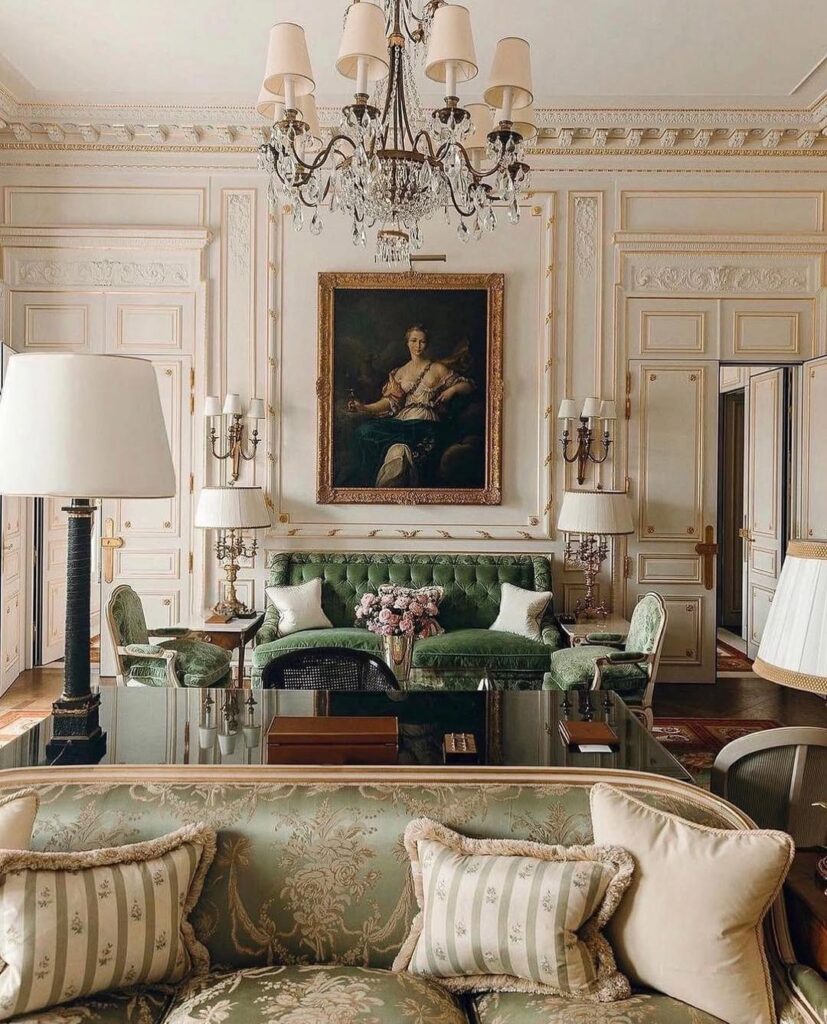
The Secret: Buy Less, Choose Better
The real old money approach isn’t about filling every space immediately. It’s about acquiring pieces slowly, choosing quality when possible, and letting a room evolve. An empty corner is better than a corner filled with something cheap that doesn’t fit.
Thrift, hunt for sales, DIY when it makes sense, and don’t be afraid of empty space. The goal is a home that looks collected over time, comfortable, and completely unpretentious—even if you put it together in six months on a budget.
That’s old money energy: looking expensive without trying too hard.